
What a Detailed Fade Haircut Service Includes
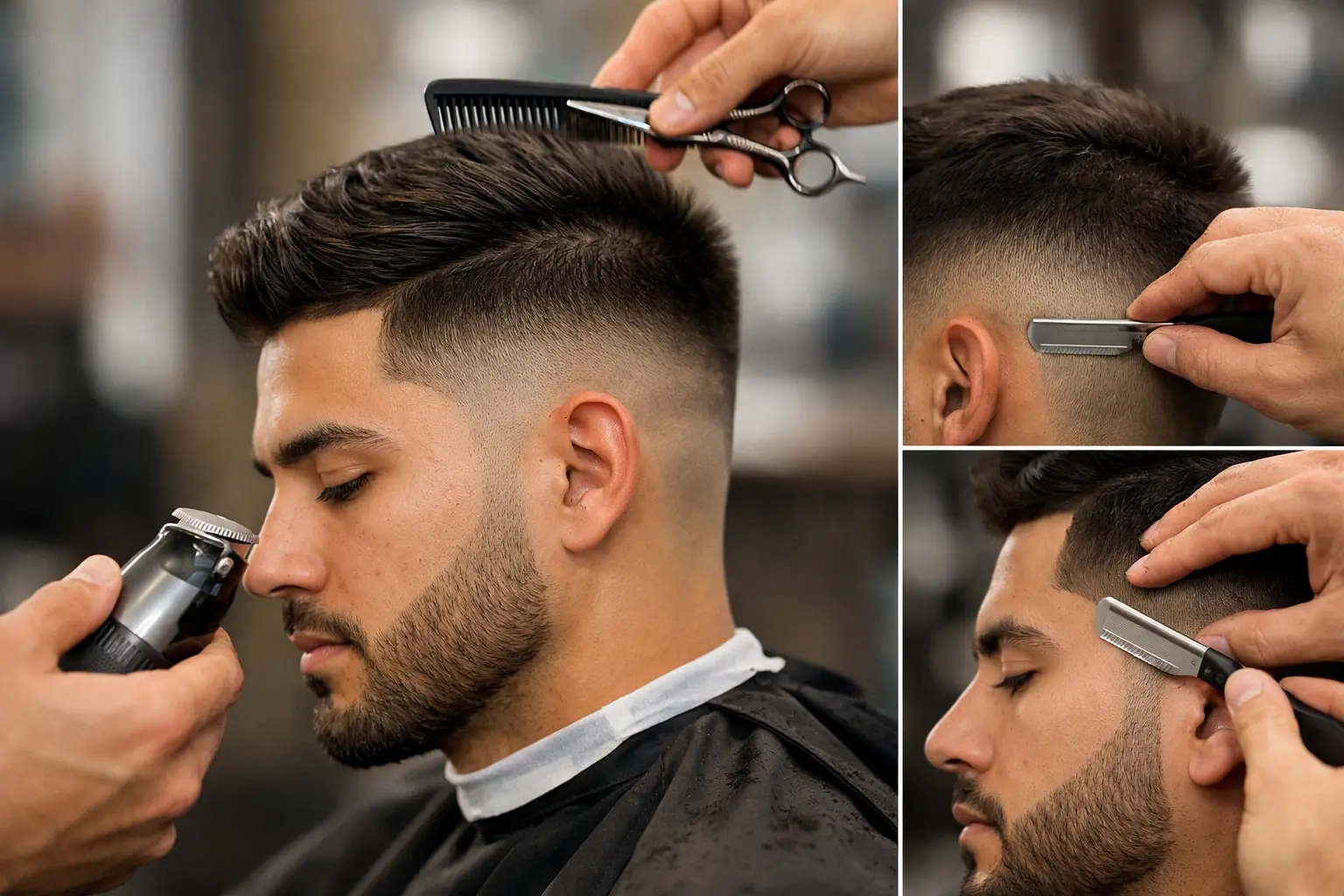
A detailed fade haircut service is not a quick pass with clippers and a line around the ears. It is the difference between a cut that looks decent when you leave and one that still looks controlled, balanced, and sharp days later. The work happens in the blend, the shape, the neckline, and the small corrections most rushed shops skip.
For men who care about presentation, a fade should complement the head shape, hair density, beard, and lifestyle. The goal is not simply to make the sides short. The goal is to create a clean transition that gives the entire haircut purpose.
What Makes a Fade Detailed
A fade is a gradual reduction in length from the top of the head down to the skin or near-skin area around the sides and back. That description is simple. Executing it well takes control, patience, and a barber who understands how hair responds at every length.
A detailed fade begins with consultation. Your barber needs to know how high you want the fade, how much weight you want to keep near the temples, how you style the top, and whether your hair grows in difficult directions. A low fade can keep the look conservative and professional. A mid fade offers more definition without exposing too much of the head shape. A high fade delivers a stronger, more modern contrast, but it is less forgiving if the placement is wrong.
The detail comes from building the fade in controlled sections rather than removing too much hair too fast. Each guideline must be softened into the next until there are no harsh bands, dark shelves, or uneven patches. This takes more than a sharp clipper. It takes an experienced eye.
The Blend Has to Work From Every Angle
A clean fade cannot only look good straight on in the mirror. It should hold its shape from the side profile, around the crown, and at the back of the head. Uneven lighting can reveal lines that were missed in the chair, which is why careful barbers check the cut repeatedly as they work.
Hair density changes across the head. One side may be fuller than the other. A cowlick may push hair outward at the back. The occipital bone can create a natural ridge that needs to be blended without taking the fade too high. A detailed service accounts for those differences instead of forcing every client into the same clipper pattern.
Choosing the Right Fade for Your Look
The best fade depends on your features, haircut, and routine. The right choice is not always the most dramatic one shown in a photo.
A low fade is a strong option for professionals, first-time fade clients, and men who prefer a clean but understated finish. It keeps more weight around the upper sides and allows the haircut to grow out more naturally. It pairs well with textured crops, side parts, classic pompadours, and longer tops.
A mid fade sits higher and creates a more defined profile. It works well with most face shapes because it can be adjusted to add structure without feeling overly aggressive. For clients who want a modern cut that remains versatile for work, weekends, and formal events, the mid fade is often the dependable middle ground.
A high fade creates a bolder separation between the top and sides. It can sharpen a rounder face and make thick hair feel lighter, especially when paired with a crop, quiff, or short textured top. The trade-off is maintenance. Because the exposed area is larger, a high fade can look grown out sooner than a low or mid fade.
Skin fades, sometimes called bald fades, bring the lowest portion down to the skin for maximum contrast. They look exceptionally clean when properly blended, but they demand precision at the neckline, temples, and transition into the darker hair above. If you want a softer grow-out, ask for a shadow fade instead. It retains a small amount of length at the bottom while still looking polished.
Detail Does Not Stop at the Clippers
The finish separates an ordinary cut from a professional grooming service. Once the fade is blended, the barber refines the perimeter: the temple area, the hairline, around the ears, and the neckline. These edges should be crisp without being pushed back too far.
A line that is carved too aggressively may look extra sharp for a day, but it can grow in unevenly and make the hairline appear higher over time. Good barbering respects the natural line while cleaning up stray growth. That restraint matters, particularly for clients who keep a regular haircut schedule.
The neckline deserves the same attention. Whether you prefer a natural taper, a rounded finish, or a squared neckline, it should match the haircut and grow out cleanly. A natural neckline generally requires less upkeep. A sharp squared neckline offers a more structured look, though it may need touch-ups sooner.
Scissor work on top is equally important. Even the cleanest fade will feel disconnected if the top is too heavy, too flat, or poorly blended into the sides. The barber should create the right amount of movement and weight for your hair type. Fine hair may need texture without excessive thinning. Thick hair often needs strategic removal of bulk so it lays naturally without losing strength.
Why Rushed Fades Fall Short
Chain-style cuts often fail for one reason: speed becomes the priority. When a barber is trying to finish as many heads as possible, the final checking stage disappears. That is where visible lines remain, temple areas become uneven, and the back of the fade loses its balance.
A fade does not need to take forever, but it should never feel automatic. The barber should pause, step back, check symmetry, and refine the small areas that are easy to miss. Those extra minutes protect the quality of the cut and the confidence you carry after leaving the shop.
At Omar's Barbershop, the standard is hand-finished detail, not a one-size-fits-all clipper routine. Every fade should reflect the client in the chair, from the placement of the blend to the way the top is styled and the beard is balanced against the haircut.
How to Get Better Results at Your Appointment
Clear communication makes a better fade possible. A reference photo can help, but tell your barber what you like about it. Is it the height of the fade, the darker blend, the textured top, or the sharp lineup? Two photos labeled “mid fade” can look completely different depending on the model’s hair type and head shape.
Be honest about maintenance, too. If you come in every two weeks, a skin fade or high fade may fit your routine. If you usually wait a month or longer, a lower, softer fade will often look better as it grows. There is no wrong preference, but there is a right cut for how often you want to maintain it.
Before you leave, look at the cut from the front, both sides, and the back. Check the neckline, the area behind the ears, and the transition near the crown. A professional barber welcomes that final look because the standard is not just a good photo. It is a haircut you feel confident wearing.
A detailed fade is a disciplined service built around proportion, patience, and finish. Choose a barber who sees the full shape of the cut, not just the shortest setting on the clippers. Your haircut is one of the first details people notice. It should look intentional every time you step out.