
How to Prevent Razor Bumps Without Overdoing It
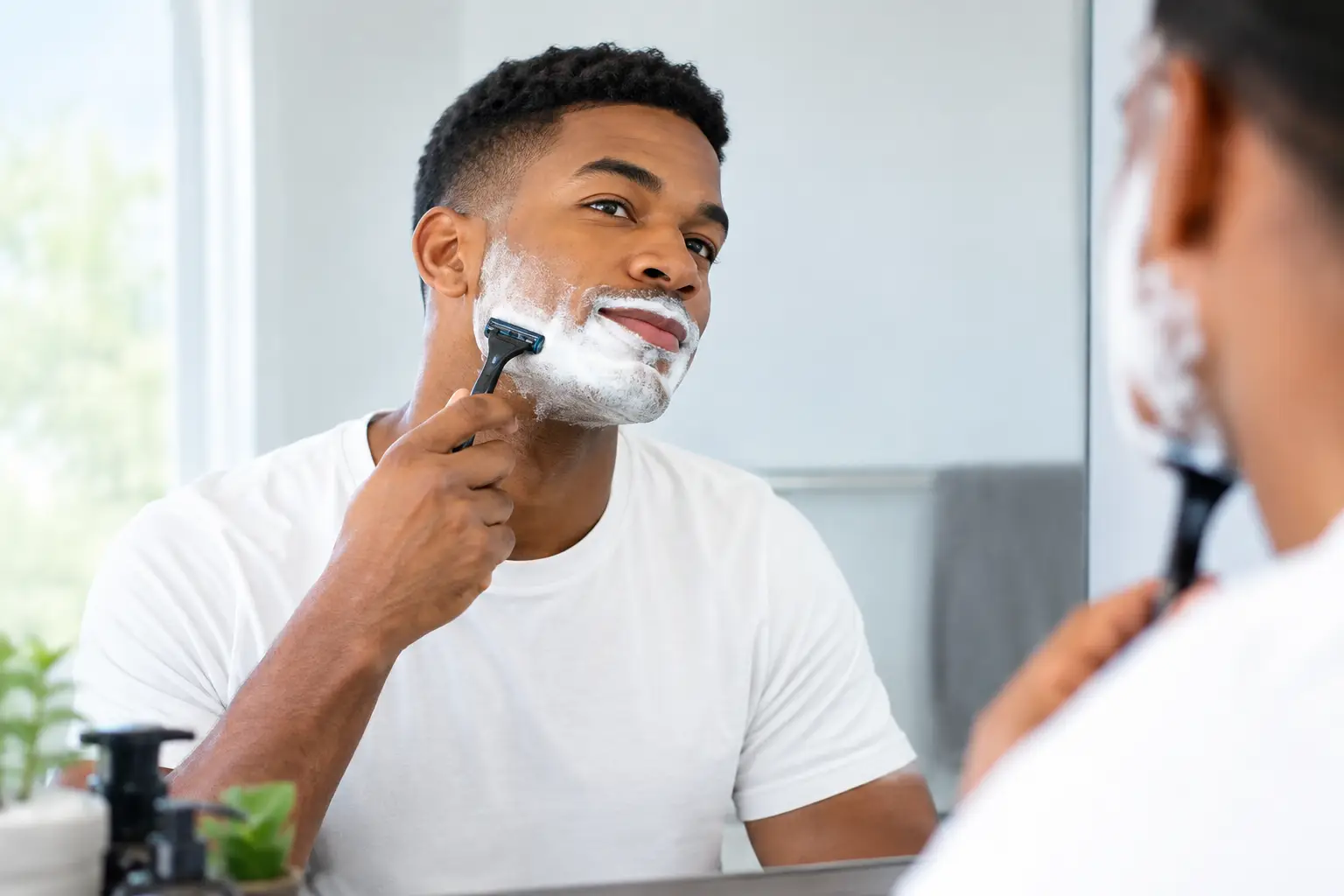
A close shave should leave your face looking polished, not irritated by the next morning. Learning how to prevent razor bumps comes down to respecting your skin, your beard growth pattern, and the tools in your hand. The goal is not always the closest possible shave. It is a clean, comfortable finish that stays that way.
Razor bumps are especially common along the neck, jawline, and areas where coarse hair grows in different directions. For many men, the fix is not a new miracle product. It is a more disciplined routine before, during, and after the shave.
What Razor Bumps Actually Are
Razor bumps happen when cut hairs curl back into the skin as they grow. Your body treats that trapped hair like an irritant, leading to raised, tender bumps, redness, and sometimes dark marks after the inflammation settles. This is different from razor burn, which is usually immediate stinging or redness caused by friction.
Men with coarse, curly, or tightly coiled facial hair are more likely to deal with ingrown hairs, but anyone can get them. A very close shave can make the problem worse because it cuts the hair below the skin’s surface. When the hair starts growing back, it has less room to exit cleanly.
That is why an aggressive shave is not always a better shave. A refined result comes from control, not force.
How to Prevent Razor Bumps Before You Shave
Preparation matters more than most people think. Shaving dry, rushing through heavy stubble, or putting a blade on skin that has not been cleaned sets up unnecessary friction.
Start with warm water. A shower is ideal, but a warm, damp towel held against the beard for a few minutes also helps soften the hair and loosen surface oils. Cleanse the area with a gentle face wash first, especially if you use styling products, sunscreen, or beard oil during the day. You want the blade moving across clean skin, not grime and buildup.
Light exfoliation can also help, but keep it measured. Exfoliating two or three times per week removes dead skin that can block new hairs from breaking through. A mild chemical exfoliant is often more consistent than a rough scrub, particularly on the neck. Do not scrub immediately before every shave if your skin is sensitive. Over-exfoliating can weaken the skin barrier and create the same irritation you are trying to avoid.
Give your shaving cream time to work. Apply a quality cream or gel, then let it sit for a minute or two before the first pass. It should create real slip and soften the beard, not disappear into the skin instantly. Thin, foamy lather may look traditional, but protection and lubrication matter more than volume.
Use a Blade That Matches Your Skin
A dull blade drags. A dirty blade introduces bacteria. Both can turn a routine shave into several days of irritation.
Replace cartridge blades regularly and rinse them thoroughly during the shave. If you use a safety razor or straight razor, a sharp, well-maintained blade is essential. More blades are not automatically better, either. Multi-blade cartridges can pull a hair up before cutting it, which may create an ultra-close result but also increases the chance of that hair slipping below the skin and becoming ingrown.
For men prone to bumps, a single-blade safety razor, an electric foil shaver, or a guarded trimmer may be the smarter option. These tools can leave a barely noticeable amount of length above the skin. That slight trade-off often means a major improvement in comfort.
If you receive professional straight razor shaves, the same standard applies: clean equipment, sharp blades, proper skin preparation, and a barber who understands pressure and grain direction. Precision is what makes a close shave feel finished rather than raw.
Shave With the Grain First
Before shaving, take a minute to map your beard. Facial hair rarely grows in one uniform direction. Your cheeks may grow downward, while the hair under your jaw angles toward the ear and the neck can spiral in several directions.
The first pass should follow the direction of growth, also called shaving with the grain. Use short strokes, light pressure, and frequent rinsing. Let the blade do the work. Pressing harder does not make the shave cleaner. It removes more skin, creates more friction, and raises the odds of cutting hairs too close.
If you want a closer finish, reapply shaving cream before a second pass. Across the grain is usually a better choice than directly against it for men who get bumps. Shaving against the grain can be appropriate for some skin types, but it is the first technique to reconsider when ingrown hairs keep returning.
Avoid pulling the skin tight as you shave. Stretching can make it easier to cut hair beneath the surface. Once the skin relaxes, the shortened hair can retract and become trapped. Keep the skin supported, but do not over-stretch it in pursuit of a glass-smooth finish.
Do Not Keep Passing Over the Same Spot
Repeated passes are one of the quiet causes of razor bumps. The neck is usually where this happens. You miss a patch, go back over it without more cream, then make a few quick cleanup strokes until the area feels perfectly smooth.
That sequence creates friction fast. If a spot needs another pass, add water and fresh shaving cream first. Then use one controlled stroke in the correct direction. A small amount of remaining texture is better than several days of irritated skin.
This is also where a barber’s attention to detail pays off. Clean lines do not require punishment. Beard outlines, neck cleanups, and cheek lines should be shaped with deliberate strokes, not carved repeatedly into the skin.
Calm the Skin After the Shave
After shaving, rinse with cool water to remove leftover cream and help calm the surface of the skin. Pat dry with a clean towel. Do not rub your face aggressively, especially around the neck.
Use an alcohol-free aftershave balm or lightweight moisturizer. The right formula reduces dryness and supports the skin barrier without leaving a heavy, greasy layer. Traditional alcohol-heavy splashes can feel bracing, but they may sting and dry out already stressed skin. If you enjoy the classic finish, reserve it for skin that tolerates it well and follow with a moisturizer.
For persistent ingrown hairs, use a leave-on exfoliating treatment on non-shaving hours, not immediately after a close shave unless the product is specifically designed for that use. Ingredients such as salicylic acid or glycolic acid can help keep pores clear and encourage trapped hairs to surface. Start slowly. Using too much too often can cause peeling, burning, and more inflammation.
Hands off matters, too. Do not pick at bumps or dig out hairs with tweezers. That can lead to infection, scarring, and dark spots that last longer than the bump itself.
Adjust Your Schedule When Skin Needs It
Daily shaving works for some men. For others, it never gives the skin enough time to recover. If bumps are frequent, try shaving every other day or use a trimmer between clean shaves. Keeping a short, intentional beard can look sharp while giving the skin room to settle.
The right schedule depends on your beard density, workplace expectations, and how your skin responds. If you need a clean appearance every day, consider a foil shaver or a professional cleanup that focuses on crisp lines rather than taking every area down to bare skin.
Persistent, painful bumps, pus-filled spots, or scarring deserve attention from a dermatologist. What looks like ordinary razor irritation can sometimes be folliculitis or another skin condition that needs targeted treatment.
A better shave is usually built from smaller corrections: warmer prep, sharper tools, lighter pressure, and enough restraint to leave the skin comfortable. The cleanest look is the one that still looks good tomorrow. At Omar's Barbershop, that standard starts with taking the time to get the details right.