
Men’s Beard Trim Style Guide That Works
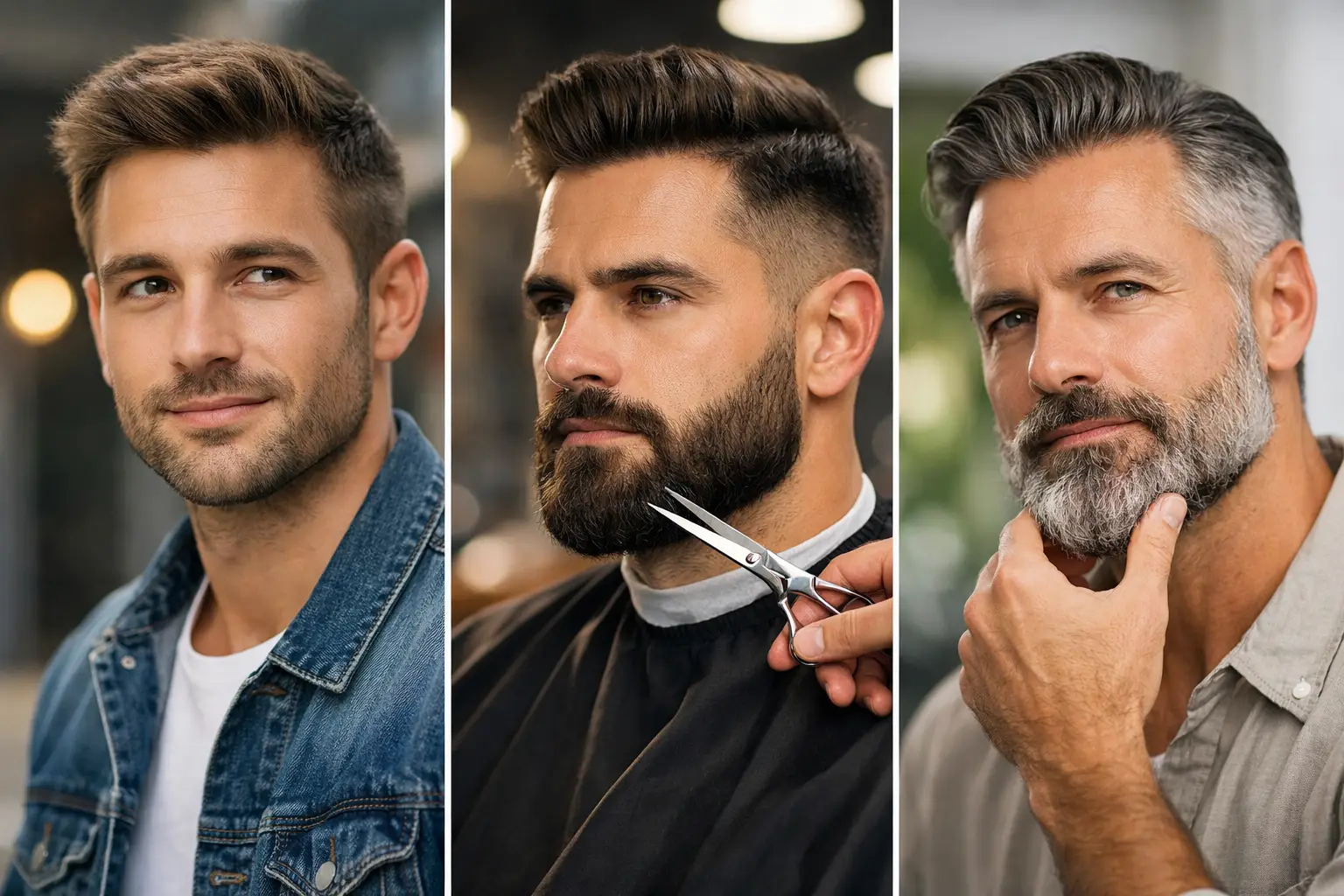
A beard can make your face look sharper in ten minutes - or more tired, heavier, and less defined if the shape is off. That is why a solid mens beard trim style guide matters. The goal is not just taking off length. The goal is building structure around your jaw, mouth, and cheeks so your beard looks intentional every day, not just right after a trim.
What a good beard trim should actually do
Most men think beard trimming is about neatness. Neatness is part of it, but shape is what changes your appearance. A strong trim creates balance. It can make a round face look leaner, add weight to a narrow jaw, soften a long face, or clean up patchy growth so the beard looks fuller than it is.
This is where a lot of at-home trims go wrong. Guys take the same guard to the whole beard, clean the neckline too high, and leave the cheek line wherever it naturally grows. The result is usually tidy for a day or two, then awkward for the next two weeks. A proper trim accounts for growth pattern, density, and face shape before a clipper even turns on.
Men’s beard trim style guide by face shape
There is no single best beard style. The right trim depends on what your face already has and what it needs.
Round face
If your face is fuller through the cheeks, the beard should add length, not width. Keep the sides slightly tighter and leave more fullness at the chin. A short boxed beard or a fuller goatee-beard blend usually works better than a wide, heavy beard that makes the face look broader.
The mistake here is letting the sides puff out. That creates a ball shape. Cleaner cheek lines and controlled bulk near the sideburns keep the look sharper.
Square face
A square face already has strong angles, so the beard can either reinforce that structure or soften it slightly. A short beard with clean lines works well because it follows the natural jaw. If the jaw is very pronounced, leaving a little extra length at the chin can keep the beard from looking too blocky.
This face shape can handle more definition than most. Crisp lines usually look strong here, especially around the cheeks and mustache.
Oval face
Oval faces have the most flexibility. Most beard lengths work as long as proportions stay controlled. The main thing is avoiding too much length at the bottom, which can make the face look stretched.
For most men with an oval face, a balanced short beard or medium stubble is the easiest win. It looks polished without fighting your natural shape.
Long or rectangular face
If your face is already long, extra length at the chin can exaggerate it. In this case, you usually want more fullness on the sides and less added length underneath. Keep the bottom tighter and avoid pointed shaping.
A beard that is too narrow can make the whole face look drawn out. A slightly fuller side profile creates better proportion.
Triangle or narrow jaw
When the jaw is slimmer than the forehead, the beard can help build presence in the lower face. More density at the corners of the jaw and chin helps. This is where a fuller short beard often looks stronger than very close stubble.
If growth is patchy on the cheeks, that does not automatically rule out the style. It just means the trim needs to use stronger lower lines and careful tapering.
Choosing the right beard length
Length changes the entire personality of a beard. Stubble looks sharp, low-maintenance, and modern, but it demands frequent cleanup to stay deliberate. A short beard gives more contour and usually works best for professional settings because it looks finished without becoming bulky. A medium beard has more character, but it also shows poor shaping faster. Once the beard gets longer, weak lines and uneven density become obvious.
That is the trade-off. The more length you keep, the more your barber has to build shape into it. Longer is not automatically better. In many cases, the cleanest look is simply the one that matches your growth pattern and the amount of upkeep you will actually do.
The lines that matter most
A beard is won or lost at the edges. Length gets attention, but lines create the finish.
Neckline
The neckline is the biggest problem area for most men. Set it too high and the beard loses depth, making the jaw look smaller. Leave it too low and the whole thing looks overgrown. The right neckline usually sits above the Adam's apple and follows the natural curve beneath the jaw.
It should look clean without looking carved in. A harsh, high line rarely looks natural.
Cheek line
Some men grow a naturally high, dense cheek line and should keep it. Others need a little cleanup to remove scattered growth and make the beard look deliberate. The trick is restraint. Taking the cheek line too low can make the beard look fake or overly sculpted.
A good cheek line should sharpen the face without announcing itself from across the room.
Mustache connection
The mustache is often ignored, but it controls how complete the beard feels. If it is too thin compared to the beard, the whole shape can feel disconnected. If it hangs over the lip too heavily, it starts looking neglected even when the beard itself is clean.
The best result is a mustache that supports the beard, frames the mouth, and stays controlled at the lip line.
What to tell your barber
A better trim starts with better direction. Saying "just clean it up" leaves too much to interpretation. You do not need barber vocabulary, but you should be clear on three things: how full you want it, how sharp you want the lines, and whether you want the beard to add length or width to your face.
It also helps to mention your routine. If you want a shape that still looks good after ten days, that is different from a detail-heavy trim designed to look ultra-crisp for the weekend. Good barbers adjust the finish based on how you live, not just how you look in the chair.
At a shop built on precision, like Omar's Barbershop, that conversation is part of the service. The trim is not rushed because the shape is the service.
At-home maintenance between trims
Most men do not need to fully reshape their beard at home. They just need to protect the work. That means keeping the neckline from creeping downward, trimming obvious mustache overhang, and using a beard brush or comb to keep the growth lying in the same direction.
If you use clippers at home, be conservative. Taking bulk down is easy. Putting it back takes weeks. Light cleanup around the edges is usually enough until your next appointment.
Products matter too, but not in the way marketing makes it sound. Beard oil helps if your skin runs dry or your beard feels coarse. Balm can add control for fuller beards. Neither fixes a bad shape. They help a good trim stay cleaner and feel better.
Common beard trim mistakes
The most common mistake is chasing symmetry too aggressively. Human faces are not perfectly even, and forcing both sides to match exactly can make the beard smaller and smaller. Another issue is trimming when the beard is wet. Wet hair hangs longer, so once it dries, the shape can jump higher than expected.
A lot of men also over-trim before important events. If the beard shape changes too much the day before a wedding, meeting, or trip, there is no time to settle into it. A maintenance trim a few days ahead usually looks more natural than a dramatic same-day cleanup.
Then there is the neckline panic trim. One rough morning in the mirror and guys start cutting upward to "fix" things. That almost always ends with a beard that looks thinner and less anchored.
When a professional trim makes the difference
Some beards are easy to maintain. Others need regular hand-finished detail to stay sharp. If your growth is patchy, your beard grows in different directions, or you wear a fade that needs to blend cleanly into the beard, professional trimming makes a visible difference.
This is especially true when the haircut and beard need to work together. The sideburn transition, bulk near the corners, and profile balance all matter. A beard should not look separate from the haircut. It should read as one complete look.
That is why a disciplined mens beard trim style guide always comes back to the same point: shape first, length second. Anybody can take off hair. The real craft is knowing what to leave behind.
A beard looks best when it fits your face, your routine, and your standards. Keep it clean, keep it intentional, and let every trim make the next one easier.