
Beard Grooming Trends 2026 That Look Sharp
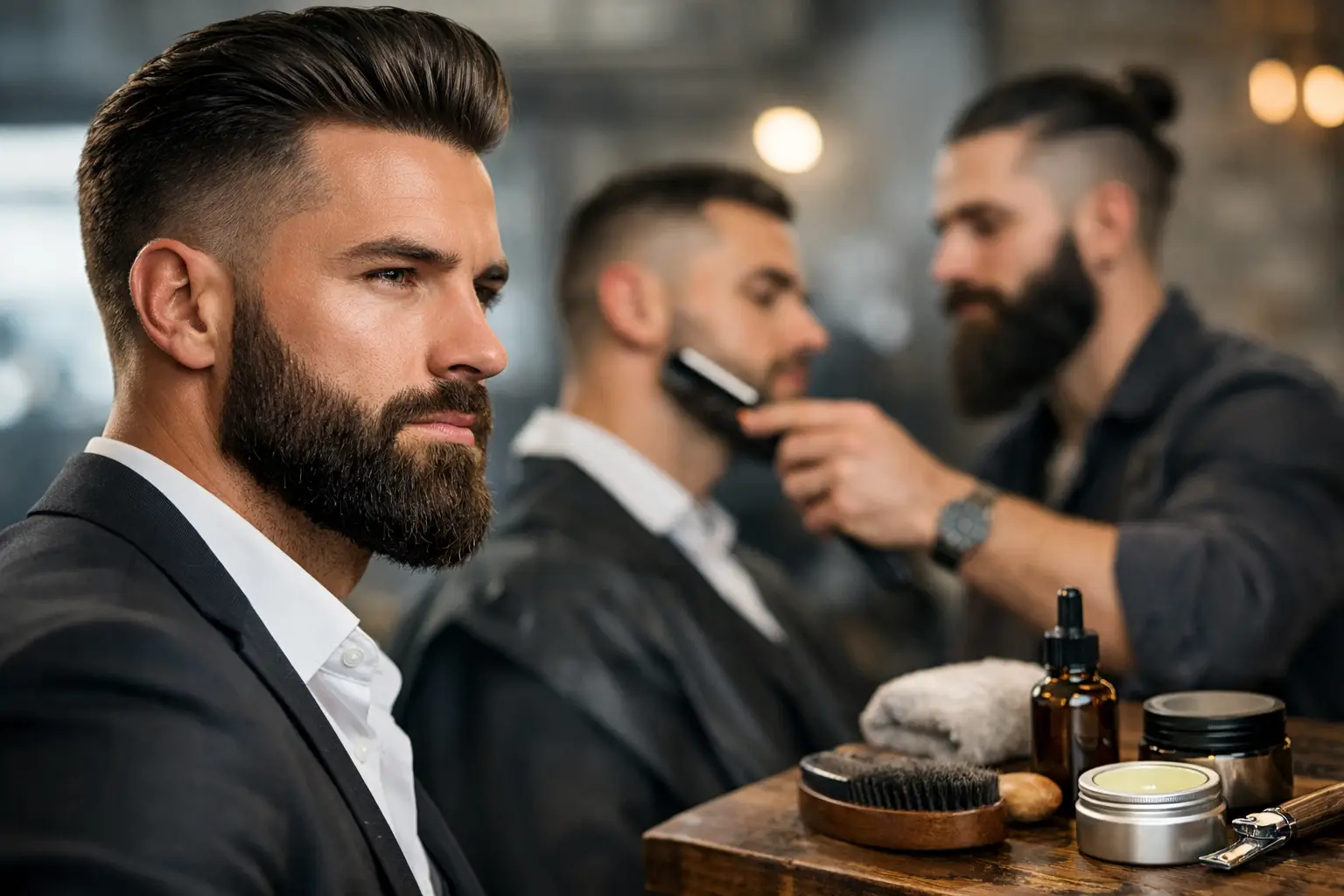
A beard can make a clean fade look even sharper, or it can undo the work with one uneven cheek line. That is why beard grooming trends 2026 are less about chasing a dramatic new shape and more about disciplined maintenance: natural density, tailored proportions, healthy skin, and detail that holds up after you leave the chair.
The best look is not the biggest beard in the room. It is the beard that fits your face, haircut, workday, and routine. For men who want a polished appearance without looking overdone, 2026 is bringing a return to intentional grooming.
Beard Grooming Trends 2026: Precision Without the Paint
For years, heavily carved beard lines and ultra-dark enhancement products dominated social feeds. They can photograph well, but they often look too severe in daylight and demand constant upkeep. The stronger direction for 2026 is cleaner and more believable: precise enough to look professionally maintained, soft enough to look like your actual beard.
That does not mean skipping the lineup. It means respecting your natural growth pattern. A skilled barber can remove stray growth, balance asymmetry, and sharpen the perimeter without pushing a cheek line too low or creating a hard angle that fights your face shape.
The same goes for the neck. A proper neckline gives the beard structure, but it should not climb too high under the jaw. When the line sits naturally and follows the beard's density, it creates a stronger profile from every angle.
Tailored Length Is Replacing One-Size-Fits-All Beards
The short, dense beard remains a reliable choice for professionals, but it is no longer the default answer for everyone. More men are choosing length based on bone structure and how much time they are willing to put into maintenance.
A close beard can sharpen a rounder face when the sides stay controlled and a little length is left at the chin. A longer face often benefits from modest side fullness rather than extra length below the jaw. If your jawline is already strong, a compact beard with clean corners can emphasize it without adding unnecessary bulk.
This is where a trimmer guard alone falls short. Guard length creates an even starting point, but hand-finished scissor work can reduce weight where the beard puffs out and preserve density where it needs support. The result is shape, not just shorter hair.
The modern corporate beard
The corporate beard in 2026 is neat, touchable, and controlled. Think short-to-medium length, a natural cheek line, a clean neckline, and a mustache that does not hang over the lip. It works with textured crops, side parts, slick backs, and modern fades because it looks deliberate without becoming high maintenance.
For men who wear a suit, work with clients, or need to look pulled together by 8 a.m., this is the safest style lane. It asks for regular cleanup, but it does not require an hour in front of the mirror.
The structured fuller beard
Fuller beards are still in, especially when they are balanced with a tighter haircut. The difference is structure. A full beard should not be allowed to widen endlessly at the cheeks or spill under the jaw in every direction. It needs a clear silhouette, softened transitions, and enough internal trimming to keep it from looking heavy.
Pairing a fuller beard with a low or mid fade remains a strong move. The fade creates separation, while the beard carries the visual weight through the lower face. This contrast looks sharp when both elements are blended with care.
Healthy Skin Is Part of the Finish
A beard is only as clean-looking as the skin beneath it. Dryness, flakes, ingrown hairs, and uneven texture can make even a perfect trim look neglected. In 2026, better beard grooming means treating the skin under the beard as part of the service and part of the routine.
Wash the beard with a gentle cleanser instead of whatever shampoo is already in the shower. Hair on the face is usually coarser than hair on the scalp, while the skin beneath it can be more sensitive. Overwashing strips moisture and can leave the beard rough. For most men, cleansing several times a week and rinsing after a sweaty day is enough, depending on skin type and product use.
Beard oil is useful when the beard feels dry or the skin beneath it gets itchy. A small amount, worked down to the skin, helps soften coarse hairs and reduce that brittle look. If your beard is longer or naturally unruly, a light balm can add control. The trade-off is simple: too much product makes the beard look greasy and collects dust, so start small.
Exfoliation also matters, especially for men prone to ingrown hairs around the neck and cheeks. Gentle exfoliation once or twice a week can help clear dead skin, but aggressive scrubbing after a fresh shave can cause irritation. Timing matters.
The Mustache Is Getting Its Own Attention
A beard trim without mustache work is no longer enough. The mustache is moving from an afterthought to a defining detail, whether it is worn tight and natural or slightly fuller with a subtle sweep.
The key is restraint. A standalone mustache can be a strong style choice, but it has to suit the face and be maintained. For men wearing a beard, the mustache should connect cleanly or contrast intentionally. It should never cover the lip, trap food, or curl outward because it has been ignored for three weeks.
A barber can taper the mustache into the beard, remove excess bulk at the center, and keep the top lip line clean without making it look stamped on. Small corrections here make a major difference in how finished the whole beard appears.
Natural Color, Strategic Gray
The trend is moving away from obvious beard dye. Solid black color over gray patches often creates a flat, artificial result, particularly when the hair on your head has natural variation. In its place, men are choosing either their real color or subtle blending that respects it.
Gray in a beard can add character, especially when the shape is clean. If you want coverage, ask for a soft, natural blend rather than a dense, permanent block of color. The goal is to reduce contrast, not erase every sign of gray. This approach also grows out more gracefully and requires less frequent correction.
Color is not required for a strong beard. A well-shaped salt-and-pepper beard with healthy texture will usually look more confident than an over-colored one.
Grooming Should Match Your Haircut Schedule
Beard maintenance works best when it is planned alongside your haircut. If you get a fade every two weeks, a beard cleanup at the same visit keeps the transitions between your sideburns, haircut, and beard consistent. If you wear longer hair or a more relaxed cut, you may be able to stretch beard appointments further, provided you maintain the neckline and mustache at home.
Between visits, do not try to redesign your beard in the bathroom mirror. Keep the job simple: brush it into place, use minimal product, trim only obvious stray hairs, and avoid moving your established lines. Most home mistakes come from taking one side too high, then trying to match it on the other side.
A barber should also know what you are trying to maintain. Say whether you want more length at the chin, tighter sides, a softer cheek line, or a beard that complements a specific fade. Clear direction helps preserve consistency from appointment to appointment.
The Best Trend Is a Beard That Belongs to You
The most useful beard grooming trend for 2026 is personalization. A dense beard can handle more structure. A patchier beard may look better shorter, with softer lines and careful shaping that does not expose thin spots. Sensitive skin may need fewer razor passes. A demanding work schedule may call for a style that grows out cleanly instead of requiring weekly corrections.
At Omar's Barbershop, the standard is not a copy-and-paste beard trim. It is a hand-finished result that works with your haircut, your face, and the way you actually live.
Choose a beard shape you can maintain, then let precision do the heavy lifting. A clean neckline, balanced length, conditioned texture, and a properly finished mustache will always look current because they never stopped looking sharp.