
Beard Trim Maintenance Guide for a Sharp Look
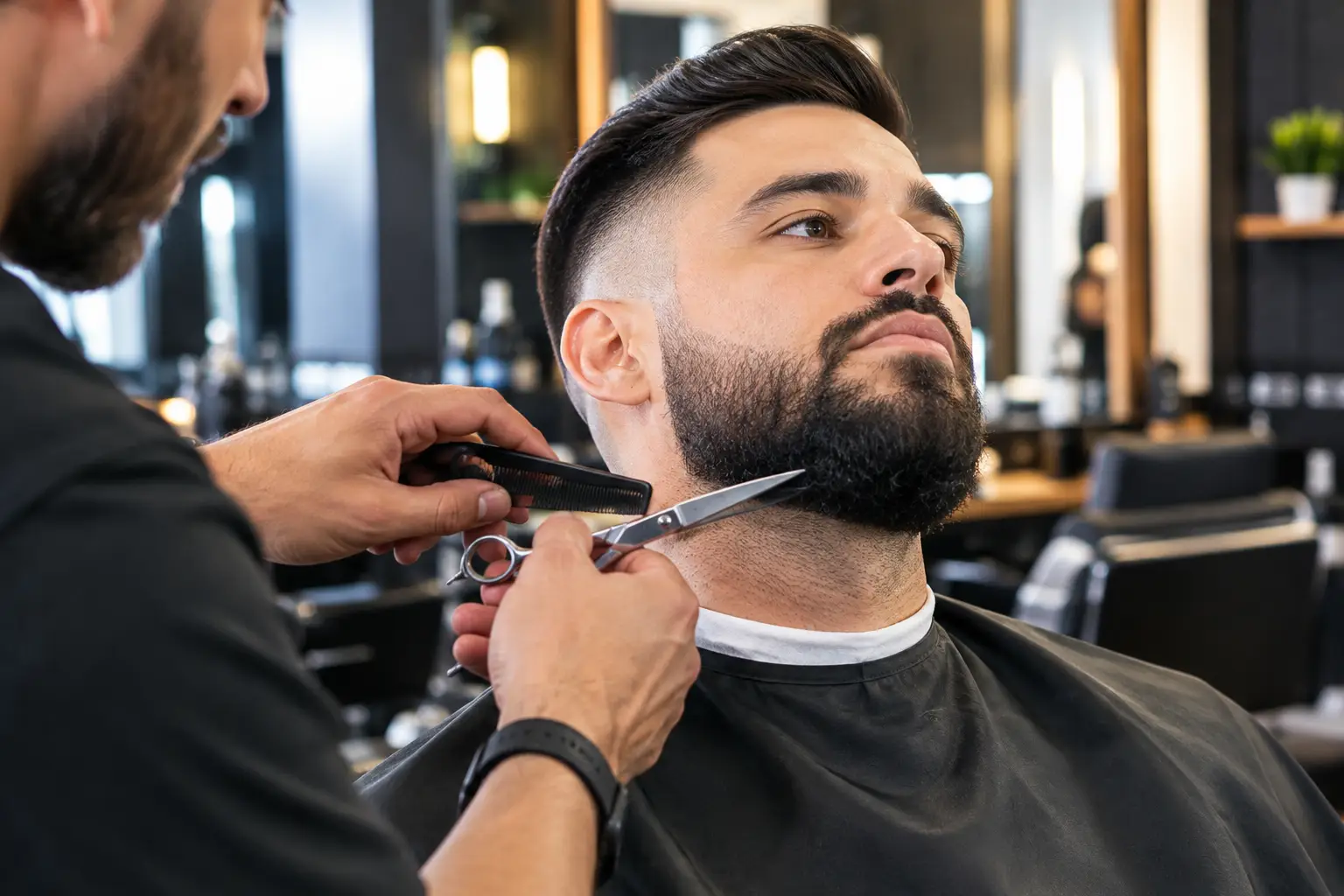
A clean beard can lose its shape faster than most men expect. The cheek line starts to blur, the neckline creeps lower, and uneven bulk shows up in photos before it is obvious in the mirror. This beard trim maintenance guide is built around one principle: protect the shape your barber created, then return for detail work before small problems become a full reset.
Your Beard Trim Maintenance Guide Starts With Shape
Beard maintenance is not about cutting more often. It is about cutting with purpose. A well-finished beard has balance between the cheeks, jaw, mustache, sideburns, and neckline. Take too much off at home, and you can change that balance in one rushed session. Do nothing for too long, and the outline that made your beard look intentional disappears.
Start by recognizing what should stay fixed. Your cheek line, neckline, and the connection from sideburn to beard are structural lines. They frame your face and should remain consistent between appointments. Length, on the other hand, can be adjusted gradually based on how quickly your beard grows and how full you want it to look.
If your beard is short, even two or three days of growth can soften a crisp outline. If it is medium or long, the shape may hold longer, but the hair can begin to spread outward and lose density. The right maintenance schedule depends on your growth pattern, hair texture, and preferred finish.
Build a Routine You Can Actually Keep
Most beards look better with a few minutes of attention each day than with one aggressive cleanup every few weeks. Begin after a shower or after washing your face, when the beard is clean and any product buildup is gone. Pat it dry, then comb or brush it in the direction you want it to sit. Cutting before you see its natural fall is how uneven spots happen.
For a short, close beard, use a guarded trimmer once or twice a week to keep the overall length controlled. Move with the grain first. If an area is still heavier than the rest, make a light second pass rather than immediately dropping to a shorter guard. The goal is an even finish, not the closest possible cut.
A medium beard usually needs more shaping than reduction. Brush it down and outward, then trim only the hairs that break the intended silhouette. Work slowly around the jaw and chin, where excess length can either strengthen the profile or make the beard look bottom-heavy. A longer beard requires even more restraint. Focus on conditioning, brushing, and removing only obvious split ends or flyaways between professional trims.
Keep your tools clean. A trimmer clogged with hair will pull instead of cut cleanly, and dull blades invite irritation. Wipe down guards, clear hair from the blade, and follow the manufacturer’s instructions for oiling. Precision starts with equipment that performs consistently.
Keep the Neckline High Enough to Look Intentional
The neckline is where good home maintenance often goes wrong. Letting it grow too low makes the beard look loose and unfinished. Taking it too high can make a full beard look disconnected from the jaw.
A practical reference point is about one to two finger widths above the Adam’s apple, then follow a gentle curve upward toward the back of each jaw. That is a guide, not a rigid rule. Men with longer beards may need a slightly lower line to preserve fullness, while a short boxed beard often benefits from a tighter edge.
Do not carve a hard, unnatural half-circle into the neck. The line should look clean without looking drawn on. Use small strokes, check both sides in the mirror, and stop early if you are unsure. A barber can always refine a soft edge. Growing back an overcut neckline takes time.
Treat the Mustache as Its Own Detail
The mustache changes the entire finish of a beard. When it hangs over the lip or grows unevenly into the corners of the mouth, the rest of the trim looks less polished. Comb the mustache downward and trim only the hairs touching your upper lip. Keep the center natural and avoid cutting a deep gap beneath the nose unless that is part of your established style.
If your mustache is dense, a small amount of beard balm or mustache wax can help train it outward. If it is lighter, avoid over-trimming. Density takes patience, and removing too much can make the beard appear less balanced.
Condition for Control, Not Shine Alone
Coarse or dry facial hair does not hold its shape well. It sticks out, feels rough, and can make the skin underneath uncomfortable. Beard oil helps soften the hair and support the skin, especially with shorter beards. Use a few drops after washing, work it through with your fingertips, then comb the beard into place.
For medium and longer beards, balm provides more hold and can help control bulk through the day. Use enough to coat the hair lightly, not enough to leave residue on your collar. The right product should make the beard feel manageable, not stiff or greasy.
Wash your beard regularly, but do not strip it with harsh soap every day. Facial hair needs to be clean, particularly after workouts or long workdays, yet over-washing can leave it dry and unruly. If your beard starts feeling brittle, reduce the frequency of cleanser and put more attention into conditioning.
Know When to Put the Trimmer Down
At-home maintenance is useful for protecting a good shape. It is not always the right answer for correcting one. Book a professional beard trim when your cheek lines are uneven, the jaw has lost its structure, one side grows denser than the other, or you are changing styles. These are detail decisions that benefit from a second set of trained eyes.
A professional cleanup is also the right move before a wedding, interview, date night, family event, or important photo. The difference is not simply shorter hair. It is the hand-finished work around the lines, the balance in the beard’s weight, and the transition into the haircut and sideburns.
For many men, a beard trim every two to four weeks keeps the shape consistently sharp. Fast growth, tight fades, and short beard styles may call for more frequent edge work. A fuller beard can often go longer between appointments if it is brushed, conditioned, and lightly maintained at home.
Avoid the Mistakes That Set You Back
The biggest mistake is chasing perfect symmetry with repeated cuts. Faces are not perfectly symmetrical, and beards rarely grow the same on both sides. Trying to force identical lines can lead to trimming one side, then the other, until both are too high or too narrow. Step back from the mirror often and judge the overall impression, not a single hair.
Another common problem is trimming a wet beard. Hair appears longer when wet and springs back as it dries, which makes it easy to remove more length than intended. Clean it first, then let it dry or blow-dry it gently before you make decisions with a trimmer or scissors.
Finally, do not ignore the transition points. The sideburns, mustache corners, and area beneath the jaw carry as much visual weight as the front of the beard. When those details are clean, the whole look reads as disciplined.
A beard should look like part of your standard, not an afterthought. Maintain it with a steady hand, leave major corrections to a professional, and return before the shape has a chance to drift. At Omar’s Barbershop, the goal is always the same: every line considered, every finish sharpened by hand.