
Neckline Cleanup Guide for a Sharper Finish
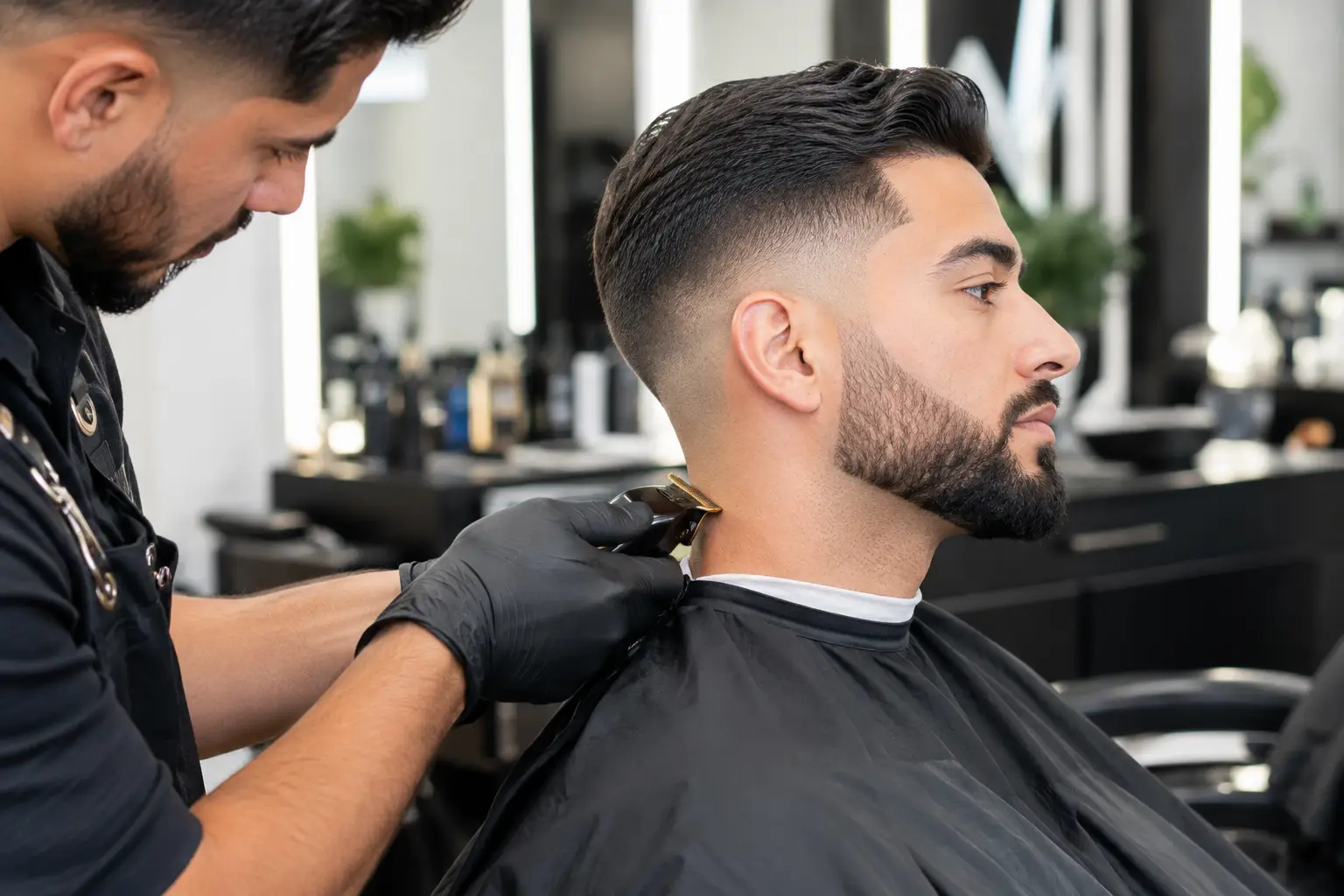
A clean haircut can lose its edge before the sides have even grown out. Usually, the first giveaway is the neck: stray hairs pushing below the collar, a faded taper turning fuzzy, or a once-crisp natural line becoming uneven. This neckline cleanup guide explains how to maintain that hand-finished look without taking too much off or damaging the shape your barber built.
The goal is not to create a hard line where one does not belong. It is to keep your neck looking intentional between appointments, so your cut holds its structure and your overall presentation stays sharp.
What a Neckline Cleanup Actually Does
A neckline cleanup removes the loose growth below your established hairline and refreshes the perimeter around the nape. On a short fade, taper, crop, or classic side-part, that small area has a big impact. A defined neckline makes the back of the head look cleaner, keeps the collar area polished, and gives the impression that the haircut was finished more recently.
It also has limits. A cleanup is maintenance, not a replacement for a full haircut. It will not restore weight that has grown into the sides, correct a fade that has lost its blend, or reshape a neckline that has been cut too high over time. Done properly, it buys you time between full services while preserving the cut underneath.
For many men, the right rhythm is a neckline cleanup at about the halfway point between haircuts. If you wear a skin fade or a tight taper, that may mean every one to two weeks. If your style has more length and a softer finish, you may only need attention every two to three weeks. Your hair density, growth pattern, and preferred finish all matter.
The Neckline Shape Should Match the Haircut
Not every neckline should look the same. The right finish depends on your cut, your natural growth, and how much maintenance you realistically want to do.
Tapered or Natural Necklines
A tapered neckline gradually fades into the skin or lower neck rather than ending in a strong line. It works especially well with classic cuts, textured styles, and men whose hair grows irregularly at the nape. The result is clean but understated.
The advantage is longevity. As it grows, the transition stays softer and less obvious. The trade-off is that it does not deliver the sharp, graphic outline of a blocked neckline on day one. If you prefer a refined finish that grows out gracefully, a taper is often the smarter choice.
Blocked Necklines
A blocked neckline has a clear horizontal or gently rounded edge across the nape. It creates an immediate, structured finish and can look excellent with a low fade, modern crop, or crisp traditional cut.
It requires more discipline, though. As the hair grows beneath that line, the contrast becomes obvious quickly. Repeatedly moving the line upward to hide new growth is a common mistake. Over several months, the neckline can creep too high and look unnatural. The line should be refreshed at its original position, not chased upward.
Rounded Necklines
A rounded neckline follows a soft curve instead of a straight edge. It can suit men with fuller necks, cowlicks, or rounded head shapes because it avoids a rigid corner that may not grow out evenly. Like a blocked shape, it looks precise when fresh but needs regular maintenance to stay controlled.
A skilled barber reads the natural hairline before choosing the finish. The best neckline is not always the boldest one. It is the one that complements the cut and still looks right after a week of real life.
How to Maintain Your Neckline at Home
At-home upkeep can work when you are conservative. The key word is conservative. Your job is to remove obvious stray hairs below the existing shape, not redesign the border with a trimmer and a bathroom mirror.
Start with good lighting, a clean mirror, and a second handheld mirror so you can see the back of your neck. If you cannot clearly see the line, do not guess. A small error is easy to make and frustrating to grow out.
Use a detail trimmer on dry, clean skin. First, identify the original perimeter. Leave that perimeter alone, then trim only the hair clearly growing below it. Work in short passes, checking both sides often. For a natural or tapered neckline, avoid creating a new hard edge at all. Clean the lower neck and let the existing blend remain untouched.
After trimming, use a gentle razor only if you are comfortable shaving your own neck. Stretch the skin lightly, use short strokes, and shave with the grain first. The back of the neck is prone to irritation, especially if you press too hard or make repeated passes over the same area. Finish with a clean towel and a light, alcohol-free soothing product if your skin tends to react.
Do not try to sharpen the corners aggressively. Those corners are where neckline shapes become uneven fastest. If one side looks slightly different from the other, step back before correcting it. Chasing perfect symmetry at home often creates a bigger imbalance than the original issue.
When to Leave the Cleanup to a Barber
There is a difference between clearing a few neck hairs and preserving the architecture of a haircut. Book a professional cleanup when your neckline has a defined shape, your fade has grown noticeably, or you have a cowlick or uneven growth pattern at the nape. Those details need a trained eye and proper angles.
Professional cleanup is also the better choice if you wear a skin fade, bald taper, or high-contrast style. A clean perimeter is only part of the result. The blend leading into it matters just as much. A barber can refresh the lower area without creating a visible shelf or taking the neckline too high.
This is where an unrushed service earns its value. The neck is viewed from behind all day by everyone except you. A properly finished neckline is balanced from both sides, clean at the collar, and matched to the rest of the haircut rather than treated as an afterthought.
At Omar's Barbershop, that final inspection is part of the standard. Precision is not limited to what you see in the mirror from the front.
Avoid These Neckline Cleanup Mistakes
The most common mistake is cutting above the original hairline. It may look clean for a day, but it changes the proportions of the haircut and creates more maintenance later. Let new growth appear below the established line, then remove it without shifting the line itself.
Another mistake is using a guard that is too short around a taper. If your barber built a gradual transition, running a bare trimmer too high can erase the soft finish and leave a harsh patch. Keep home maintenance below the blend unless you are prepared for a full reset at your next appointment.
Skin irritation is another reason to slow down. Dull blades, dry shaving, heavy pressure, and repeated passes can lead to razor bumps or redness. Clean your tools before and after use, replace dull blades, and give irritated skin time to recover. A smoother neck is not worth sacrificing skin health.
Finally, do not mistake daily inspection for necessary grooming. Hair grows gradually, and most neckline maintenance is best done when there is enough visible growth to remove cleanly. Trimming too often increases the risk of moving the line or irritating the skin.
Keep the Finish Working for You
A strong neckline supports the entire haircut, but it should never become a high-maintenance burden. Choose a shape that fits your style and schedule, keep at-home touch-ups below the established line, and let a barber handle the work that affects the cut's structure.
When the back of your neck stays clean, your haircut carries itself differently. It looks deliberate from every angle, right up until it is time for the next precise cut.