
How to Style a Pompadour Haircut for Lasting Hold
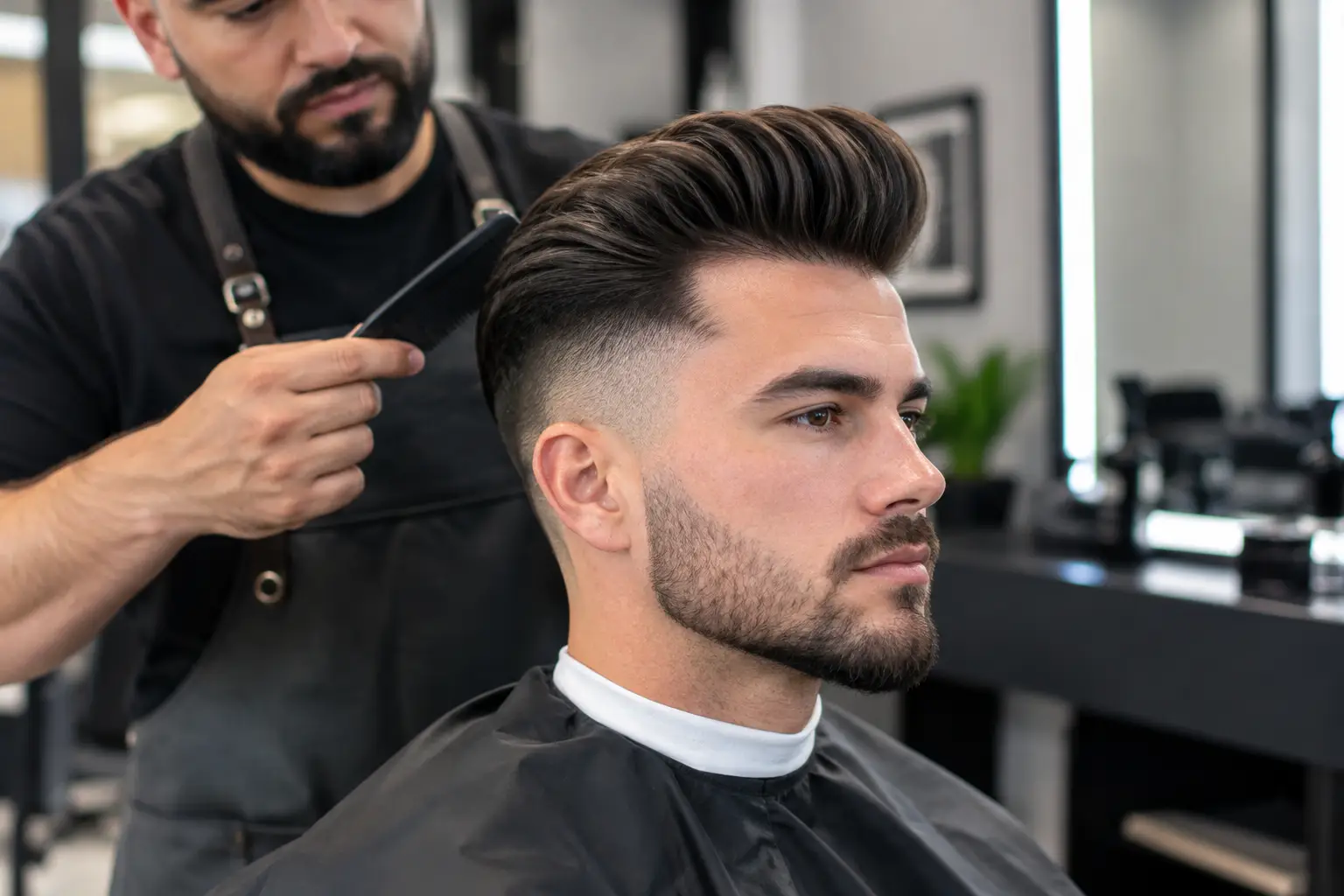
A pompadour is not supposed to look accidental. Its height, direction, and clean shape make it one of the most deliberate cuts a man can wear. Learning how to style a pompadour haircut comes down to a disciplined routine: start with the right cut, build your foundation while the hair is damp, and finish with enough control to hold its shape without turning stiff.
The reward is a style that works across the room and up close. A well-finished pompadour adds structure to the face, keeps the profile sharp, and can shift from office-ready to weekend polished with a small change in product and finish.
Start With a Pompadour Cut Built for Your Hair
Styling can improve a cut, but it cannot compensate for a poor foundation. The top needs enough length to move backward and upward, usually several inches depending on your hair texture and the height you want. The sides can be tapered, faded, or kept longer for a more traditional silhouette. What matters is the connection between the sides and top.
A tighter fade puts more focus on the volume above it and gives the pompadour a modern, high-contrast look. A classic taper is softer and more versatile, especially for men who want their hair to look professional without appearing overly styled. Straight, thick hair often creates strong lift with less effort. Fine hair needs lighter products and more careful blow-drying. Wavy or curly hair can produce excellent texture, but it usually needs more length and a more relaxed finish.
Ask your barber to account for your natural part, cowlicks, hair density, and daily routine. A precise pompadour should be designed for the way your hair actually grows, not just the way it looks when it leaves the chair.
How to Style a Pompadour Haircut Step by Step
The best pompadours are built in layers. If you apply heavy product to dry hair and push it back, you may get temporary shape, but you will lose volume and end up with a flat, greasy-looking finish by midday.
Begin With Towel-Damp Hair
Wash the hair when product buildup becomes noticeable, then towel-dry it until it is damp rather than dripping. Hair that is too wet will take longer to shape and dilute your pre-styler. Hair that is fully dry will resist direction and make the process harder.
Comb the top backward first. This establishes the direction of the style before heat and product lock it in. If you wear a subtle side part, use the comb to establish that line now instead of forcing it after the hair has dried.
Apply a Light Pre-Styler
A small amount of sea salt spray, volumizing tonic, or lightweight styling cream gives the hair grip before blow-drying. The goal is not to saturate the hair. Use a few sprays or a small amount worked evenly from roots through the mid-lengths.
Men with fine hair generally benefit from a volumizing product because it gives the roots more lift without weighing them down. Men with thick or coarse hair may prefer a light cream that makes the hair more manageable. If your hair is naturally dry, avoid loading it with salt spray every day. It can create texture, but too much can leave the hair feeling rough.
Blow-Dry for Height, Not Just Dryness
This is the step that separates a real pompadour from hair that has simply been pushed back. Use a blow dryer on medium heat and aim the airflow in the direction you want the hair to sit. A vent brush or round brush works well for creating lift at the front, while a comb gives a cleaner, more classic result.
Start at the fringe. Pull the front section up and slightly back while directing the dryer at the roots. Continue through the top in sections, working from front to crown. Keep the sides controlled by drying them downward or back, depending on the shape of your cut.
Do not hold the dryer too close to one spot. Constant high heat can leave hair dry and make it harder to restyle. Finish with a brief cool shot if your dryer has one. Cooling helps set the shape and gives you a stronger base before you add your finishing product.
Use the Right Finishing Product
Your product choice determines whether the pompadour looks natural, classic, matte, or high-shine. Start with less than you think you need. Rub a fingertip-sized amount thoroughly between your palms until it is evenly spread, then apply it from back to front. This prevents the front from getting overloaded and collapsing under too much product.
A medium-hold pomade is a strong choice for a traditional pompadour with controlled shine and flexible restyling. A water-based pomade is often easier to wash out and works well for daily wear. Matte clay gives a more modern, textured finish, though it can be too heavy for fine hair if used aggressively. Styling cream offers softer control for men who want movement rather than a sharply sculpted profile.
Once the product is in, use your hands to build the overall shape. Then refine it with a comb if you want defined lines and a polished finish. For a looser style, use your fingers to break up the surface slightly while keeping the front elevated.
Keep the Shape Proportional
More height is not always better. A pompadour should suit your face shape, hairline, and overall style. A moderate lift is usually the most dependable option for work, formal events, and everyday wear. It looks intentional without requiring constant attention.
If you have a longer face, avoid extreme height that adds even more vertical length. A wider, lower pomp with controlled sides creates better balance. Rounder faces often benefit from a little more height and tighter sides, which can make the face appear longer and more defined. If your hairline is receding, keep the front natural. Trying to force a high wall of hair where density is limited can make the style look less convincing.
The profile matters as much as the front view. Check the side in the mirror before you leave. The top should rise smoothly, then flow back into the crown. A hard bump in the middle or a flat spot near the back interrupts the shape.
Avoid the Common Pompadour Mistakes
Most styling problems come from rushing the foundation. Skipping the blow dryer is the most common mistake because it leaves the hair without root lift. Adding more pomade afterward will not fix that. It usually creates weight, shine, and separation instead.
Overusing product is another issue. If the hair looks wet, feels sticky, or drops within a few hours, you may be using too much or using a product that is too heavy for your hair type. Reset with a small amount of water, a quick pass from the dryer, and a lighter hand with the product.
The final mistake is expecting a pompadour to stay perfect through every condition. Humidity, a long commute, a workout, and a full day under a hat will affect the shape. Carry a small comb if you prefer a classic finish, and use your hands for a quick reset when you want a more relaxed look.
Maintain the Cut Between Appointments
A pompadour depends on clean proportions. As the sides grow out, the top can begin to look disconnected or overly wide, even if you are styling it correctly. Most men benefit from regular maintenance to keep the taper, fade, neckline, and weight distribution sharp.
At Omar's Barbershop in Anaheim, a barber can adjust the cut as it grows instead of taking the same approach at every visit. That matters with a pompadour. A small change in side weight, top length, or front texture can make daily styling noticeably easier.
Treat the routine like part of getting dressed. A few minutes of proper prep, purposeful heat, and controlled product will give your pompadour the clean shape it was cut to deliver. When the foundation is right, the style does not need to be forced.