
Can Beard Trims Improve Jawline Definition?
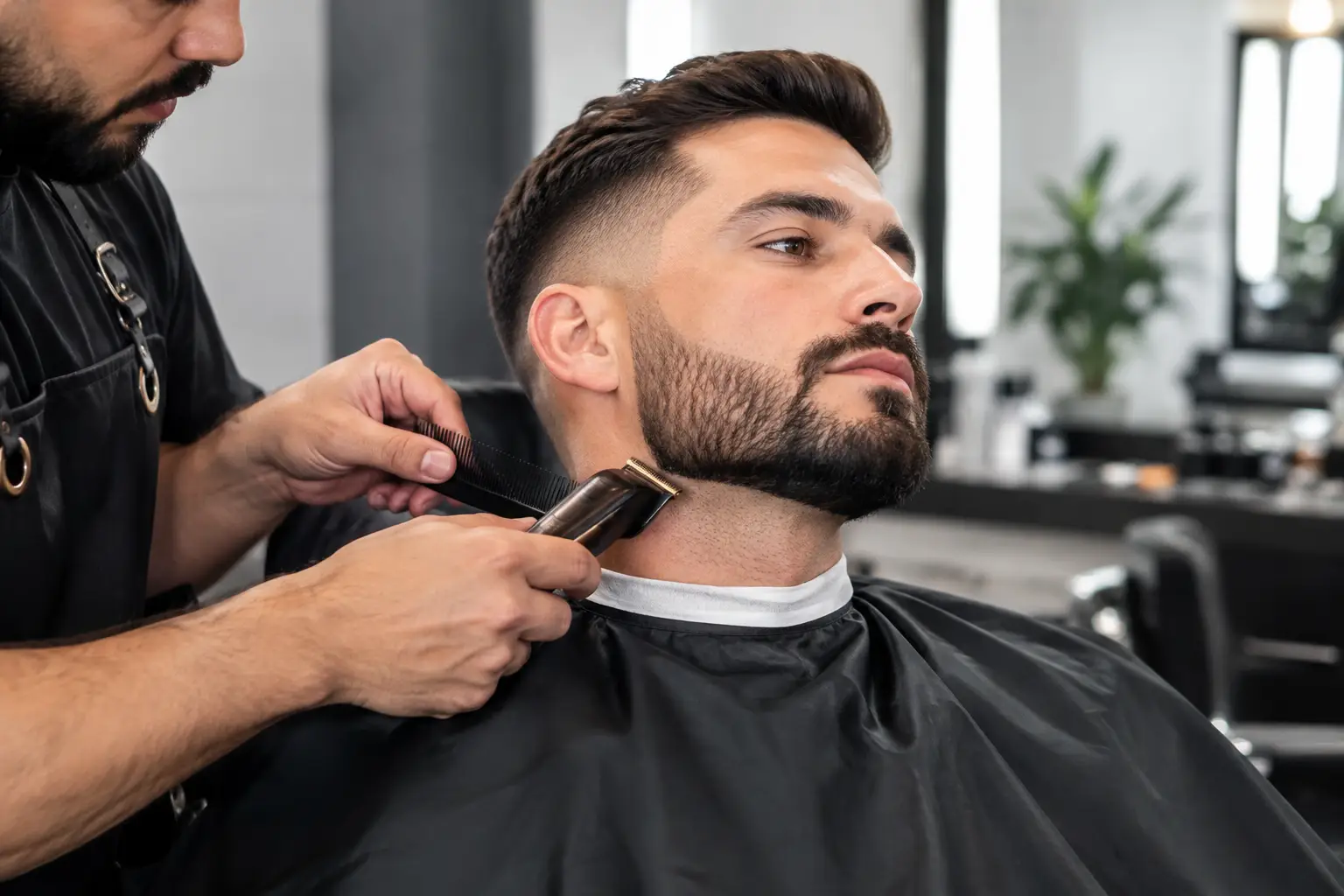
A strong jawline is not always about growing a heavier beard. It is about where the beard begins, where it ends, and how every line supports the shape already there. Can beard trims improve jawline definition? Absolutely. A precise trim can create the appearance of cleaner angles, a more balanced profile, and a sharper lower face without changing your natural bone structure.
The difference is not a gimmick. It is disciplined beard work. When a barber manages bulk, length, cheek lines, and the neckline with intention, the beard stops hiding the face and starts framing it.
Can Beard Trims Improve Jawline Definition?
A beard trim improves jawline definition by controlling visual weight. Facial hair can either create a clean border along the lower face or blur that border, especially when the neck grows out unevenly or the beard carries too much length under the chin.
The goal is not to force every beard into the same hard, squared shape. The right outline depends on your face, beard density, growth pattern, and preferred style. A rounder face may benefit from slightly more length at the chin and tighter sides. A longer or narrower face may look better with controlled fullness at the jaw rather than extra length below it.
Think of a beard as structure, not just hair. The barber is adjusting proportions. A few millimeters removed in the right place can have more impact than taking off a full inch everywhere.
The Neckline Does the Heavy Lifting
For most men, the neckline is the detail that most clearly separates a deliberate beard from an unfinished one. When neck growth extends too low, the beard can make the neck and jaw run together. That softens the profile, even if you have naturally strong facial features.
A properly placed neckline creates negative space between the beard and the neck. That open area gives the eye a clear edge to follow, which makes the jaw appear more defined. The ideal placement is personal, but it generally sits above the lowest point of the neck rather than following every strand of natural growth.
Set it too high, however, and the beard can look thin or overly carved. Set it too low, and the definition disappears. This is why a barber should assess the angle of the jaw, the fullness beneath the chin, and how the beard looks from both the front and side before making the first clean pass.
A Natural Line Still Looks Intentional
A sharp neckline does not need to look artificial. The strongest results usually come from a crisp edge that follows a believable shape. Straight razor detailing can make that line especially clean, but the placement matters more than the tool.
At home, men often shave a line that is either too low because it feels safer or too high because they want maximum sharpness. Both choices can throw off the beard. A professional trim gives you a line that is tailored to your face, then easier to maintain between appointments.
Cheek Lines Change the Entire Frame
The cheek line is another major factor in how a beard shapes the face. A clean, natural cheek line exposes more of the upper cheek and creates contrast against the beard. That contrast can make the beard look denser and the face look more structured.
Not every man needs a dramatic, high cheek line. If your natural growth is full and even, a subtle cleanup may be all that is needed. If growth is patchy higher on the cheeks, lowering the line slightly can make the beard look more consistent. The key is avoiding a line so low or so curved that it removes the beard's strength.
Good beard shaping works with density rather than pretending density is the same for everyone. A skilled barber knows when to preserve a natural line, when to sharpen it, and when to soften it for a more mature finish.
Length Can Help or Hurt Definition
More beard does not automatically mean more jawline. Excess length under the chin can add volume where you least want it, particularly when the hairs point outward or grow in several directions. A beard may look full from the front while appearing heavy or undefined in profile.
Strategic length is different. Leaving slightly more length at the chin can add projection for men with rounder faces or a softer chin. Keeping the area beneath the jaw tighter can preserve a distinct angle. Blending the sides into the jaw prevents the beard from looking blocky while still maintaining the shape.
This is where hand-finished detail matters. Clippers establish the foundation, but a clean beard trim needs close work around the jaw, mustache, sideburns, and transitions. The result should look sharp without looking stiff.
Your Face Shape Sets the Direction
There is no universal beard map. A square face can often carry a softer, more rounded beard outline to avoid making the lower face look too wide. A round face may benefit from a more vertical shape that draws attention downward. Men with angular faces may only need a tidy neckline and light bulk removal to bring out what is already there.
Beard density also changes the approach. Thick, coarse beards can create strong definition but need regular weight removal to stay controlled. Lighter or patchier beards often look better kept shorter, with clean borders that make the coverage appear more intentional.
What a Professional Beard Trim Adds
You can maintain a beard at home, but it is easy to lose the overall shape when you are working in a mirror. One side gets taken up higher than the other. The neckline drifts. Bulk gets removed from the wrong area. A professional barber sees your beard as part of the entire haircut, profile, and face shape.
At Omar's Barbershop, beard work is treated as a finish, not an add-on. The service starts with the structure of your natural growth and builds a shape that suits how you wear your hair, how often you maintain it, and how polished you want the result to look. Clean lines matter, but balance matters more.
A barber can also identify details that are difficult to catch on your own: uneven growth beneath the jaw, bulk that makes one side look wider, a mustache that overpowers the upper lip, or sideburn transitions that break the flow from haircut to beard. These small corrections are often what make a trim look precise from every angle.
How Often Should You Trim for a Sharper Jawline?
The answer depends on beard length and how exact you want the outline to stay. Short beards and stubble usually need neckline and cheek cleanup more often because the contrast disappears quickly as new growth comes in. Medium and longer beards can go longer between full shaping appointments, though they still benefit from regular detail work to control bulk.
If you wear a tight, defined beard, watch the neckline first. Once that area starts filling in, the jawline effect softens. If you wear more length, pay attention to the hairs under the chin and at the sides of the jaw. When they begin pushing outward, the beard can lose its intended silhouette.
Between trims, use a beard brush or comb to train the hair downward and apply a modest amount of beard oil or balm if your hair is dry or unruly. Product will not create a jawline, but it helps the beard sit in the shape your barber created. Avoid chasing every stray hair with the trimmer. Overcorrecting is one of the fastest ways to lose symmetry.
The Best Result Is Believable
A sharper beard should still look like your beard. The strongest trims do not rely on extreme lines or excessive contrast. They make your natural features read more clearly, whether you are wearing close stubble, a short boxed beard, or a fuller style.
If your beard has been growing without a plan, a precise trim can change the way your entire profile reads. Give the shape a professional foundation, maintain the obvious edges at home, and return before the details grow out. A well-framed jawline is not about looking overdone. It is about looking prepared.