
12 Best Hairstyles for a Receding Hairline
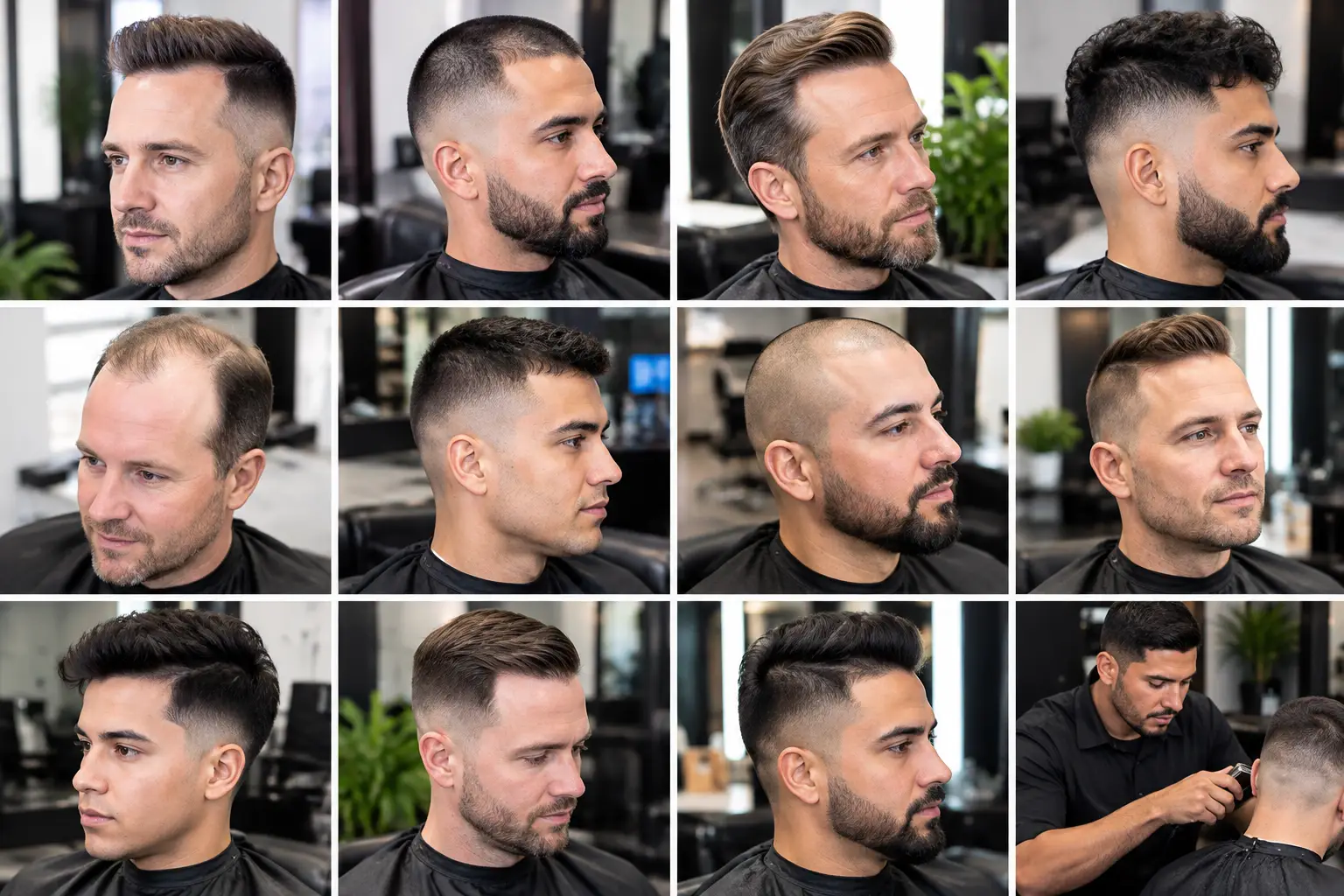
A receding hairline does not require a cover-up. It requires a haircut with intent. The best hairstyles for receding hairline concerns work with your natural growth pattern, create a stronger overall shape, and keep attention on clean lines, texture, and proportion rather than the temples.
A skilled barber will not force a style that needs more hair than you have. He will look at the front corners, density through the top, crown growth, face shape, and beard before building a cut that looks deliberate from every angle. That difference is where a haircut goes from acceptable to sharp.
What Makes a Receding Hairline Look Better
The goal is rarely to hide the hairline completely. Trying to drag longer hair forward can create thin, separated strands that make recession more noticeable. A better approach is to reduce contrast between the front and the rest of the haircut, then build a clean silhouette around it.
Shorter styles often do this well because they make the hairline part of the cut instead of a feature fighting against it. Texture can soften the transition at the front, while a tapered or faded side keeps the whole profile tight. The right choice depends on how far the hairline has moved back and how much density remains on top.
Your maintenance routine matters, too. A precise cut loses its shape when it grows out unevenly, especially around the temples and sideburns. Most short styles look their best with regular cleanup appointments.
12 Best Hairstyles for Receding Hairline Patterns
1. Buzz Cut
The buzz cut is direct, masculine, and hard to overthink. By taking the hair short and even, it removes the contrast between thinning areas and longer sections. It is a strong choice for men with a noticeably receded hairline, diffuse thinning, or a preference for low-maintenance grooming.
The trade-off is exposure. A buzz cut puts face shape and scalp on display, so clean edging and a well-kept beard can make a major difference. Ask your barber whether a single guard length or a subtle taper will suit you better.
2. Crew Cut
A crew cut keeps the discipline of a buzz cut but leaves more shape through the top. The hair is short at the sides and back, with a slightly longer, controlled top that can be brushed forward or lifted gently.
It works especially well when the recession is moderate and the top still has solid density. Keep the front short enough that it stands naturally. If it has to be pulled forward to cover gaps, it is probably too long.
3. Textured French Crop
A textured French crop is one of the most reliable cuts for a receding hairline. It uses short, choppy texture across the top and a soft, forward direction at the fringe. That texture breaks up the hard line between the temples and the front of the haircut.
The fringe should be modest, not heavy or combed into a curtain. A short, irregular edge looks modern and natural. Pair it with a low or mid fade if you want a crisp finish without making the temples the center of attention.
4. Short Textured Crop
For men who do not want fringe, a short textured crop offers a cleaner alternative. The top is worked with natural separation rather than height, and the front is kept compact. It gives hair movement without exposing too much scalp or relying on a precise hairline.
Use a matte clay or texture powder sparingly. Shine can reveal separation and scalp, while a dry finish gives the hair a fuller, more controlled appearance.
5. Ivy League
The Ivy League is a refined short cut with enough length to part or brush to the side. It suits men whose hairline is receding evenly but whose hair density is still strong through the top.
This style needs restraint. A deep side part can call attention to thinning at the front, particularly if the hair is fine. Keep the part soft, use a natural finish, and avoid excessive height. Done properly, it looks polished for work without appearing stiff.
6. Short Side Sweep
A subtle side sweep can work well when the recession is more pronounced on one side than the other. The hair is directed diagonally instead of straight back, which creates movement and avoids putting all attention on the front corners.
The key word is subtle. A long comb-over with a hard part can look dated and usually exposes the exact area it is meant to disguise. Keep the top moderate in length and the sides neatly tapered.
7. High and Tight
The high and tight brings the sides down close and leaves a short, compact panel of hair on top. It is a practical, sharp option for men with strong recession at the temples and denser hair in the middle.
Because the sides are very tight, this cut creates a bold profile. It is ideal for men who prefer a clean, no-fuss look and are comfortable with a more structured style. A beard can add balance when the face is longer or narrower.
8. Caesar Cut
The Caesar is defined by a short, horizontal fringe and even length across the top. Modern versions use more texture and softer edges than the classic style, which makes them more versatile for a receding hairline.
It is particularly useful when the front hairline has moved back but the hair behind it remains dense. Keep the fringe short and broken up with texture. A blunt, heavy line across the forehead can look artificial.
9. Short Quiff
A quiff is not off-limits with a receding hairline, but it needs the right foundation. The best version is short, textured, and lightly lifted. It should look like the hair naturally has direction, not like it has been pushed high to compensate for thinning.
This option is best for men with good density at the front and crown. If the temples are significantly recessed, a softer crop or shorter style is usually the stronger call. Use a matte paste and dry the hair into place rather than relying on heavy product.
10. Clean Shave
For some men, the best haircut is no haircut at all. A clean shave can look exceptionally confident when it is maintained with care. It eliminates the question of how to style thinning hair and creates a clear, intentional look.
The standard is high here. The scalp should be smoothly shaved, the neckline should be clean, and facial hair should be shaped with equal precision. A straight razor finish and hot towel service can turn a basic routine into a proper grooming reset.
11. Bald Fade With Short Top
A bald fade with a short, textured top gives you sharp contrast in the right places. The sides disappear gradually into the skin while the top remains compact and structured. It is a strong modern choice when you want a fade but do not want to rely on length at the front.
Ask for the fade to be placed based on your head shape and recession pattern. A very high fade can make the upper corners appear more prominent on some men. A low or mid fade often provides a more balanced result.
12. Short Pompadour With Tapered Sides
A restrained pompadour can suit a mildly receding hairline with good density through the front. The top is styled back and slightly up, while the sides are tapered rather than taken too tight. This creates a classic barbershop shape with modern control.
It is not the best choice for everyone. If the front is thin, the added height may reveal more scalp and require too much product. But with the right hair type, it offers a confident, dressed-up finish.
Cuts That Usually Need Extra Caution
Long hair pushed straight forward, severe hard parts, slicked-back styles, and high-shine pomades can expose a receding hairline rather than soften it. That does not mean they never work. Hair density, texture, and personal style all matter. But these looks demand enough coverage and consistent styling to hold up under natural light, wind, and a full day of wear.
Be careful with a sharp line-up at the temples as well. A barber can clean up the natural edge, but drawing an aggressively straight hairline too far forward may look unnatural as it grows out. A clean, honest edge is usually the more refined choice.
How to Ask Your Barber for the Right Cut
Bring a clear description of how you wear your hair day to day. Tell your barber whether you use product, how much time you want to spend styling, and whether your hair is thinning at the crown as well as the front. Those details matter more than showing a photo of someone with a completely different hair type.
A good consultation should cover the height of your fade or taper, how much length to leave on top, the direction of your natural growth, and whether your beard can add balance to the final look. The best result is not the trendiest cut in the room. It is the one that stays sharp after you leave the chair.
At Omar's Barbershop in Anaheim, that conversation is part of the service. Precision means working with what suits you, then finishing every edge by hand.
A receding hairline can still carry a strong style. Choose a cut that looks intentional, keep it maintained, and let clean grooming do the talking.