
Choosing a Haircut for Your Face Shape as a Man
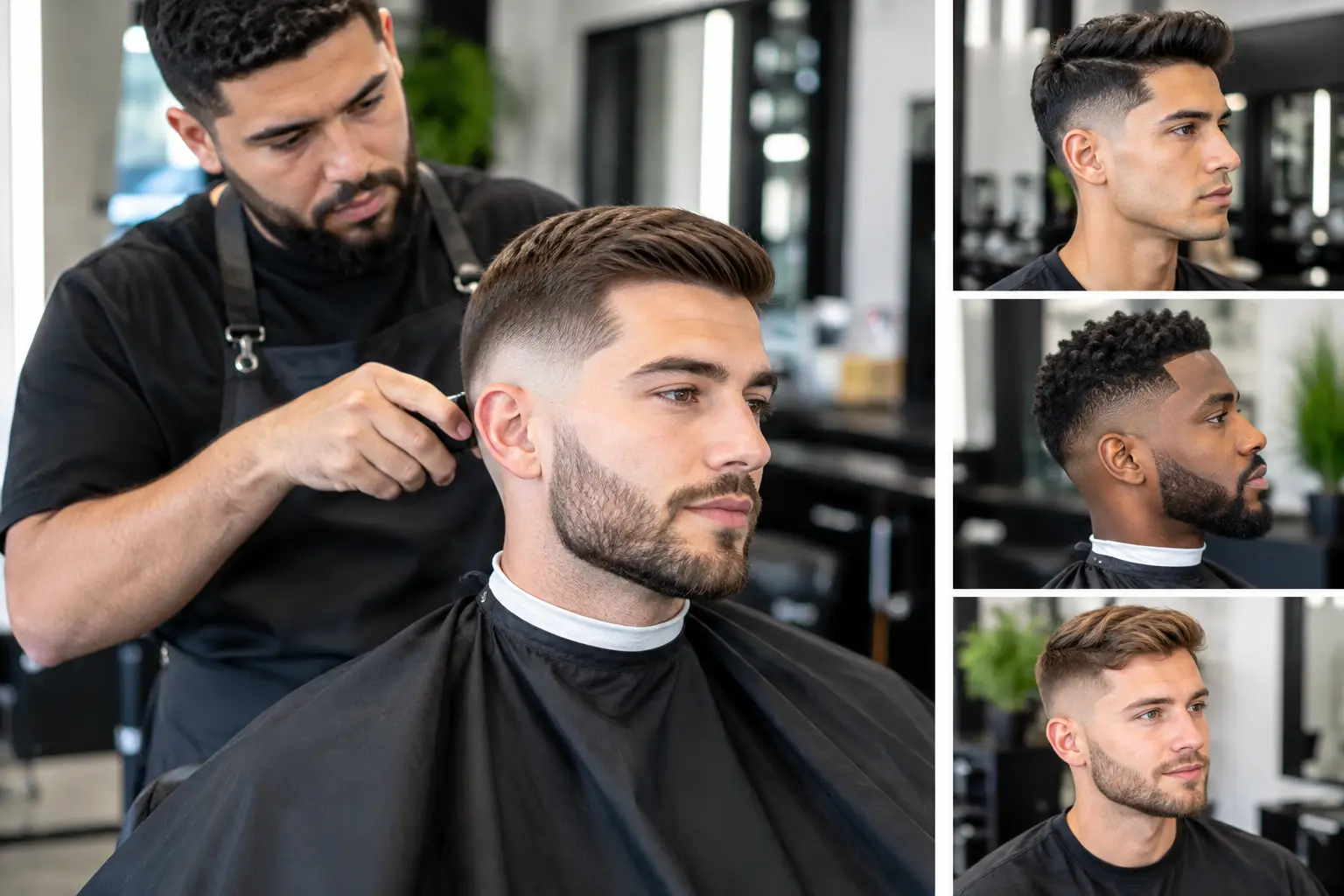
A strong haircut does more than remove length. It puts structure around your features, sharpens your profile, and makes getting ready feel straightforward. Choosing a haircut for your face shape is a useful starting point, but it is not a set of rules that forces every man into one style. Your hairline, density, texture, beard, and daily routine all matter just as much.
The goal is simple: choose a cut that creates balance while still looking like you. A skilled barber reads the full picture before the clippers come out.
Start With Your Face Shape, Not a Trend
Stand in front of a mirror with your hair pushed back. Look at the widest part of your face, the length from forehead to chin, and whether your jaw is rounded, angular, or tapered. You do not need to label it with surgical precision. Most faces sit somewhere between the main categories.
A haircut should either add definition where the face is softer or reduce visual width where the face is already broad. That is why the same skin fade, crop, or pompadour can look completely different from one client to the next.
Face shape provides direction. It should not override what your hair can realistically do. A man with a strong cowlick, a receding hairline, or very coarse curls needs a cut designed around those facts, not around a photo that ignores them.
Choosing a Haircut for Face Shape: The Main Matches
Oval faces: most styles are on the table
An oval face is slightly longer than it is wide, with a balanced forehead and jaw. It is often the easiest shape to work with because it handles a wide range of proportions. Textured crops, side parts, crew cuts, pompadours, and fades can all work well.
The trade-off is that too much height on top and overly tight sides can stretch an already longer face. Keep the shape controlled. A low or mid fade with textured length on top usually delivers a sharp, versatile result without exaggerating the face length.
Round faces: create height and angles
A round face has softer lines, fuller cheeks, and similar width and length. The right haircut introduces structure. Keep the sides clean and build controlled height or texture on top. A high fade, quiff, textured crop with a defined fringe, or side-swept style can make the face appear longer and more angular.
Avoid carrying too much bulk at the sides. A wide, rounded shape through the temples can make the face look broader. If you wear a beard, clean lines along the cheeks and a little length at the chin can reinforce the same effect.
Square faces: soften the hard edges slightly
Square faces have a broad forehead and a strong, defined jaw. This is a naturally masculine structure, so the haircut does not need to fight it. Short cuts work especially well: a classic taper, crew cut, textured crop, or clean side part keeps the overall look disciplined.
Very sharp corners at the hairline combined with extreme height can make the face look overly boxy. This does not mean avoiding a line-up or fade. It means keeping the transition balanced and the top natural enough to complement the jaw rather than compete with it.
Rectangle or oblong faces: avoid excessive height
A rectangle-shaped face is noticeably longer than it is wide, often with a strong jaw and straighter sides. The priority is to avoid adding more vertical length. A medium-length textured top, French crop, side-swept style, or scissor cut with a low taper tends to work well.
Be cautious with high pompadours, tall quiffs, and ultra-tight high fades. Those cuts can pull the eye upward and make the face appear longer. Leaving some weight through the sides creates better proportion. A beard can also help, but avoid adding a long, pointed shape below the chin.
Diamond faces: keep some width near the forehead
A diamond face is widest at the cheekbones, with a narrower forehead and chin. Texture and moderate length on top can balance the upper face, while softer movement around the fringe reduces emphasis on the cheekbones. A textured fringe, layered scissor cut, or side part with volume can be a strong choice.
Do not take the sides too bare unless the top has enough presence to balance it. An aggressive high fade may make prominent cheekbones stand out more. A low taper or a fade that holds a little weight around the temples is often more forgiving.
Heart and triangle faces: balance the forehead and jaw
A heart-shaped face is wider through the forehead and narrower at the jaw. A triangle-shaped face works in the opposite direction, with a stronger jaw and narrower forehead. Both benefit from thoughtful proportions rather than an automatic high-and-tight cut.
For a heart shape, avoid extreme volume at the front. Texture, a natural side part, and moderate length create a more even outline. For a triangle shape, some fullness at the temples and top can balance a wider jaw. A barber can adjust the fade placement, side weight, and fringe to make the difference without making the cut look forced.
Your Hair Type Changes the Answer
Face shape is only one part of the consultation. Straight, fine hair may need texture or a shorter silhouette to avoid falling flat. Thick hair can support volume, but it often needs internal weight removed so it does not push outward at the sides. Wavy and curly hair create natural height and width, which can be used intentionally instead of cut away.
Hairline matters too. If the corners are receding, a short textured crop, close crew cut, or forward-styled top can look cleaner than trying to force a high, slick style. If your hairline is full and even, you have more flexibility with sharp parts, brushed-back looks, and detailed line work.
Be honest about styling. A cut that needs a blow dryer, product, and ten minutes each morning may look excellent, but only if that routine fits your life. For many working professionals and busy fathers, a cut that grows out cleanly and takes two minutes to style is the better standard.
Use Your Beard as Part of the Design
A haircut ends at the neckline, but your overall shape does not. Beard length and outline can change how your face reads. A fuller beard can add width to a narrow jaw. A tighter beard with clean cheek lines can bring definition to a rounder face. A short boxed beard can reinforce a square jaw, while a slightly longer chin can lend length where it is needed.
The key is coordination. If the haircut is tight and precise, an unshaped beard can interrupt the finish. If the beard is full, the haircut should transition into it with intention. The best result looks considered from the front, side, and profile.
What to Tell Your Barber
Bring reference photos if they help, but use them as a conversation starter, not a blueprint. The photo may feature different density, texture, hairline, and face proportions. Explain what you like about it: the fade height, the texture, the length on top, or how easy it appears to maintain.
Then share the practical details. Tell your barber whether you wear a hat for work, how often you use product, whether you want the cut to look polished immediately or grow out softly, and how frequently you plan to come back. These details allow for a haircut built around your actual routine.
At Omar's Barbershop, the right consultation is never filler before the service. It is where the haircut takes shape. Precision comes from knowing what to remove, what to leave, and where the proportions need support.
A face shape can point you in the right direction, but confidence comes from a cut that fits your hair, your habits, and the way you carry yourself. Choose the shape with intention, keep the maintenance realistic, and let the details do their job.