
Fade Versus Taper Haircut: What Fits Best?
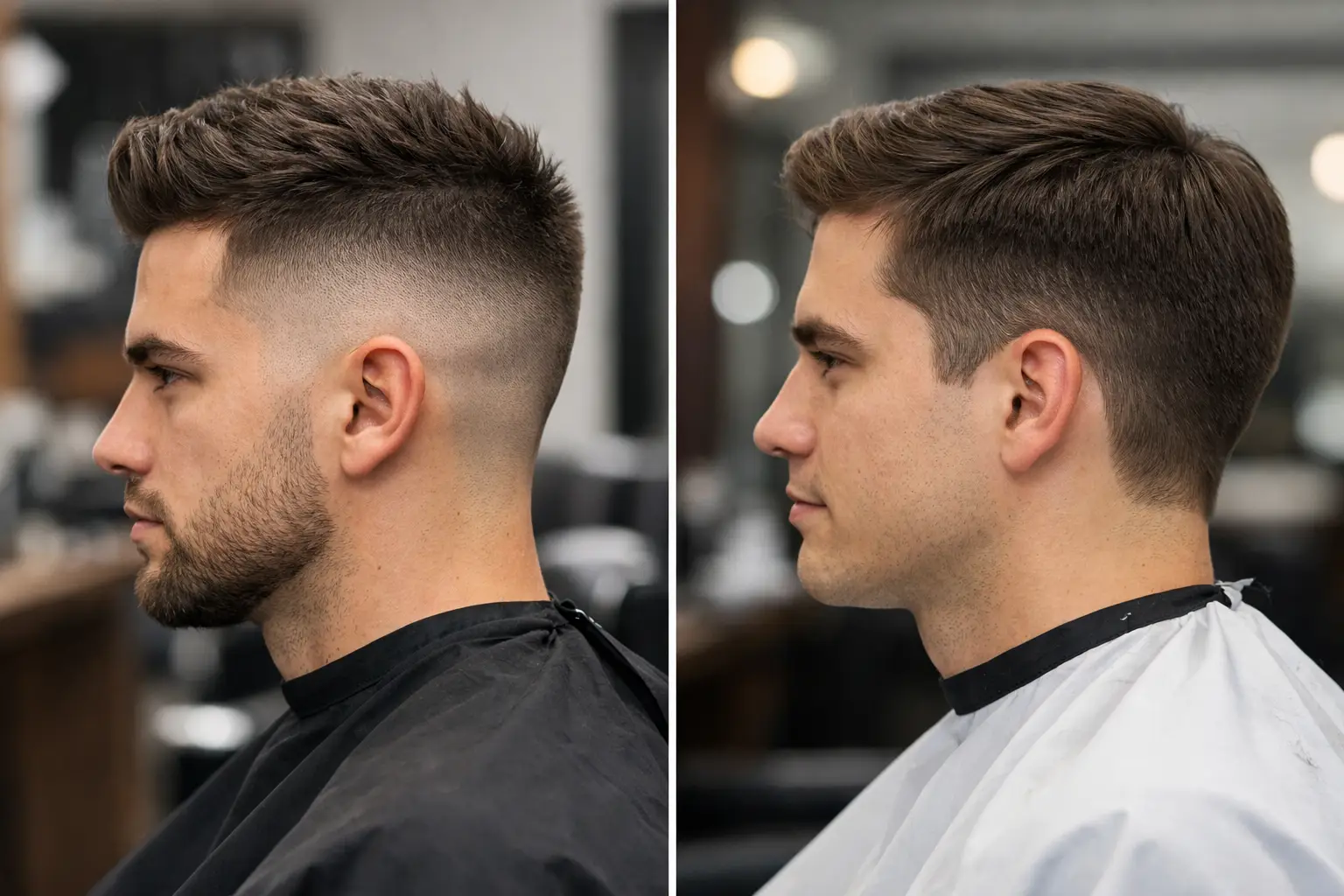
You do not need barber school terminology to know when a haircut looks right. You just need to know what you are asking for. When clients bring up the fade versus taper haircut question, they are usually trying to solve one real problem: how to get a clean, sharp cut that matches their face, style, and maintenance habits.
That distinction matters more than most people think. A lot of bad haircut experiences come from asking for one cut when you actually want the other. Both are clean. Both are classic. But they create a different finish around the sides and neckline, and that difference changes the whole look.
Fade versus taper haircut: the core difference
A fade removes length more aggressively as the hair moves down the head. The transition is tighter, more dramatic, and usually blends all the way into very short hair or bare skin near the bottom. That is why fades tend to look sharper and more modern.
A taper keeps more hair overall and shortens it gradually in specific areas, usually at the sideburns and neckline. It is more subtle. Cleaner than a grown-out cut, but less bold than a fade. If a fade is designed to stand out, a taper is designed to look controlled without calling too much attention to itself.
Think of it this way: a fade makes the blend part of the style. A taper supports the style without stealing the focus.
What a fade haircut really looks like
A proper fade is about precision. The barber creates a smooth transition from longer hair on top into shorter hair on the sides and back, using clipper work and detailed blending. Depending on the cut, that transition can start low, mid, or high on the head.
A low fade stays closer to the ear and neckline. It gives you a clean edge without making the haircut feel too severe. A mid fade sits higher and gives a stronger contrast. A high fade pushes that contrast even further, which works well if you want a bolder shape or a more athletic, modern finish.
There is also the skin fade, where the shortest part goes down to the skin. This creates the crispest possible result, but it also comes with the shortest shelf life. It looks outstanding right after the cut, then starts growing out faster than softer options.
Fades pair well with textured crops, pompadours, curls, comb-overs, and short buzz variations. They can sharpen a haircut fast, especially if you want cleaner structure around the temple and crown.
What a taper haircut really looks like
A taper is more restrained. The hair still gets shorter toward the edges, but the change is softer and more conservative. You will usually see the taper concentrated around the sideburns and the nape rather than climbing high into the sides.
This is why taper haircuts work so well for men who want a professional appearance without the stronger contrast of a fade. The cut looks polished, but it does not always read as trendy. It sits comfortably with classic side parts, scissor cuts, slick backs, crew cuts, and longer styles that need a clean perimeter.
A taper can also be the better choice if you like your haircut to grow out naturally. Since the blend is less extreme, the grow-in period tends to be more forgiving. You still look groomed after a couple of weeks, just not as freshly detailed as day one.
Which one looks cleaner?
Right after the appointment, a fade usually looks cleaner because the contrast is tighter. The lines are more obvious. The shape is more defined. If your goal is to walk out with that fresh-cut effect everyone notices, the fade has the edge.
But cleaner does not always mean better for every client. A taper often looks more natural, especially in professional settings or on men who prefer understated grooming. It is polished without looking overworked.
This is where preference matters. Some men want a haircut that announces itself. Others want one that just makes them look put together. Neither choice is wrong. The better cut is the one that fits the man wearing it.
Maintenance is where the real decision happens
Most clients choose based on appearance. Experienced barbers know the smarter question is how often you want to come back.
A fade, especially a high or skin fade, needs regular upkeep if you want it to stay crisp. Depending on your hair growth, that can mean every one to three weeks. Once the shortest area starts filling in, the clean contrast softens quickly.
A taper gives you more breathing room. Because it is less dramatic, the grow-out is less obvious. Many men can stretch a taper a little longer and still look intentional. If your work schedule is packed, or you do not want to live in the barber chair, that matters.
There is a trade-off, though. If you love that razor-clean finish around the edges, a taper may feel too subtle. Low maintenance usually means lower contrast.
Hair type changes the answer
The fade versus taper haircut choice also depends on your hair texture and density.
Thick straight hair usually holds both styles well. A fade can remove bulk and create cleaner shape through the sides, while a taper can keep enough weight to make the haircut look balanced.
Curly or coiled hair can look excellent with either cut, but the effect is different. A fade creates stronger structure and can highlight the texture on top. A taper keeps more softness around the edges and often gives a more classic barbershop finish.
Fine or thinning hair needs a more careful approach. Sometimes a fade creates useful contrast and makes the top look fuller. Other times it exposes thin areas too much. A taper can be safer if you want a softer transition that does not draw attention to scalp visibility.
This is one of those areas where a good barber does more than follow a request. He reads the head shape, hair pattern, and density before deciding how aggressive the blend should be.
Face shape and overall style matter too
If you have a rounder face, a fade can create a leaner look by tightening the sides and adding shape. If you have a longer or narrower face, keeping more weight with a taper may help the haircut feel more balanced.
Personal style matters just as much. If you wear tailored clothes, keep your beard lined up, and like a sharper finish, a fade often complements that standard. If your style leans classic, relaxed, or office-friendly, a taper may fit more naturally.
The top of the haircut also changes the decision. A textured crop with a taper can look too soft for some men. A side-part with a skin fade can look too severe for others. The best cuts are built as a whole, not chosen in parts.
How to ask your barber for the right cut
Do not stop at saying fade or taper. That is where confusion starts.
Tell your barber how much contrast you want. Say whether you want the sides very tight or just cleaned up. Mention how often you get haircuts. If you have reference photos, make sure the sides and neckline are visible, not just the top.
It also helps to be specific about your routine. If you want to come in every two weeks and keep things sharp, ask for a fade. If you want a cut that still looks solid as it grows in, ask whether a taper would suit your style better.
At a quality shop, that conversation should feel collaborative. The barber should guide the cut based on your hair, not force the same formula on every client. That is the difference between a rushed haircut and a crafted one.
So, should you get a fade or a taper?
Get a fade if you want stronger contrast, a sharper finish, and a more modern edge. It is ideal for men who like a fresh, detailed look and do not mind more frequent maintenance.
Get a taper if you want a cleaner version of a classic cut, a softer grow-out, and a style that works easily in both casual and professional settings. It is subtle, dependable, and often more versatile over time.
For a lot of men, the answer is not extreme. A low fade or a taper fade can sit right in the middle, giving you clean structure without going too hard. That middle ground is often where the best barbershop work happens - enough detail to look intentional, enough restraint to keep the cut wearable every day.
If you are still deciding, do not chase the trendiest name. Choose the cut that matches your routine, your hair, and the standard you want to carry when you leave the chair. A good haircut should not just look sharp for one day. It should keep working once real life starts again.