
A Guide to Professional Fade Haircuts
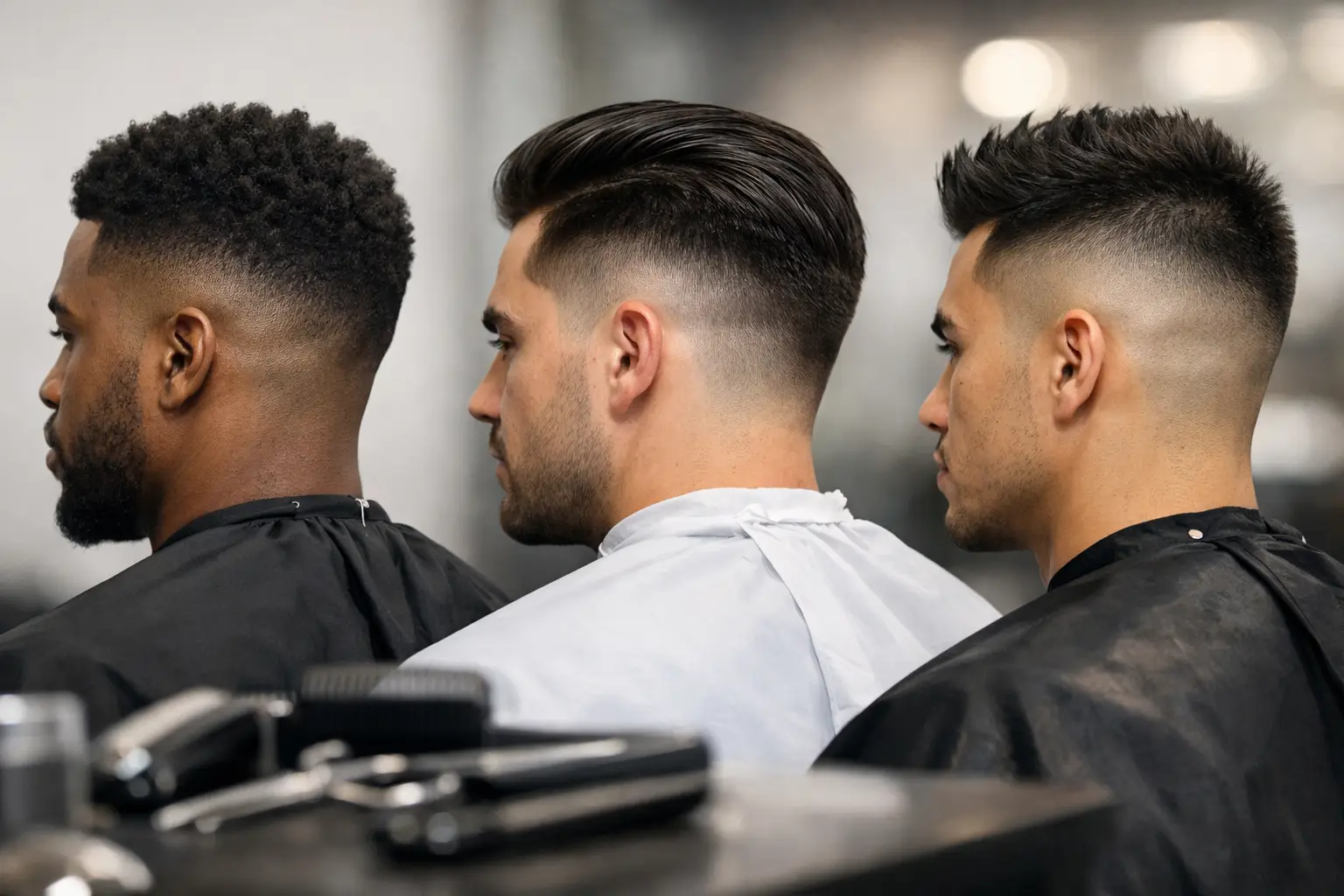
A fade tells on the barber fast. When the blend is off, you see weight lines, uneven shadow, or a shape that looks clean for one day and rough by the end of the week. A real guide to professional fade haircuts starts there - not with trends, but with execution.
The reason fades stay popular is simple. They give structure. A good fade sharpens the outline of the head, frames the face, and makes the whole haircut look intentional. But not every fade works for every man, and not every barber cuts them with the same level of control. If you want a fade that looks polished in the chair and still holds up as it grows out, the details matter.
What makes a fade look professional
A professional fade is not just short on the sides. It is a controlled transition from darker, longer hair into lighter, shorter hair with no harsh steps unless the style calls for them. The blend should match your head shape, your hair density, and the finish on top.
That last part gets missed often. The sides and back cannot be treated like a separate haircut. A skin fade under a textured crop creates a different effect than the same fade under a slick back or side part. The top, the crown, the temple area, and the neckline all need to work together.
A polished fade also depends on balance. Some clients want high contrast. Others need a softer result for work, school, or a more classic look. Neither is better across the board. It depends on your style, your maintenance habits, and how fast your hair grows.
A guide to professional fade haircuts by type
The main difference between fades is height and intensity. That sounds simple, but small changes in placement can change the whole haircut.
Low fade
A low fade starts near the ear and stays lower around the head. It keeps more weight through the sides, which usually makes it the safest choice for men who want a clean finish without exposing too much scalp. It works well in professional settings and grows out more naturally than a high fade.
If your hair is thick or your head shape is more rounded, a low fade often gives you better balance. It cleans the edges while keeping enough structure so the haircut does not look too severe.
Mid fade
A mid fade sits between subtle and bold. It removes more weight than a low fade and creates a sharper profile without going all the way into a dramatic high blend. For many men, this is the most versatile option.
A mid fade pairs well with pompadours, textured crops, comb overs, and short curls. If you want a style that feels current but still wearable every day, this is usually the middle ground worth considering.
High fade
A high fade starts much higher on the head and creates stronger contrast. It gives a cleaner, tighter appearance and puts more attention on the top. Done right, it looks sharp and athletic. Done poorly, it can look top-heavy or expose uneven growth patterns.
This is where experience matters. A high fade leaves less room for error because the transition happens in a smaller visual space. If your barber does not read your head shape correctly, the haircut can feel too aggressive.
Skin fade or bald fade
A skin fade blends all the way down to the skin at the bottom. It is one of the cleanest finishes you can get, but it is also one of the highest maintenance options. It looks its best in the first several days after the cut and then starts showing growth quickly.
For clients who want a crisp, fresh-cut look at all times, a skin fade delivers. For clients who prefer longer gaps between appointments, a shadow fade may be the smarter call.
Taper fade
A taper fade is more restrained. Instead of taking the whole side and back into a tight fade, it focuses on the sideburns and neckline with a cleaner transition. This is the classic choice for men who want shape and polish without the look of a full fade haircut.
It is especially strong with business cuts, side parts, and traditional barber styles. It also works well for younger kids or first-time fade clients who want a more conservative introduction.
How to choose the right fade for your face and hair
The best fade is the one that complements what you already have. That means your face shape, hair texture, density, growth pattern, and daily routine all matter.
If your face is longer or narrower, going too high on the fade can stretch that shape even more. A lower fade usually keeps things more balanced. If your face is rounder, a mid or higher fade can create a leaner profile, especially with volume left on top.
Hair texture changes the conversation too. Straight hair tends to show lines more clearly, so the blend has to be especially clean. Thick, coarse hair can produce a strong fade with excellent contrast, but it also builds weight fast if the barber does not remove bulk properly. Curly hair gives a softer visual transition and can look excellent with low, mid, or drop fades, though shrinkage and pattern consistency need to be considered from the start.
Cowlicks, crown patterns, and scar placement also matter. A skilled barber does not force the same fade onto every client. He adjusts the blend to work with the head, not against it.
What to ask your barber
The best results usually come from a short, clear conversation before the clippers start. Do not just say, "Give me a fade." That leaves too much open to interpretation.
Tell your barber how clean you want the sides, whether you want skin at the base or some shadow left in the blend, and how much length you want on top. Mention how often you get haircuts. That matters more than most people realize. A skin fade every three weeks will look very different from the same cut maintained weekly.
Photos can help, but they should start the conversation, not end it. A picture on someone with a different hairline, density, and head shape may not translate exactly. A professional barber will use the reference, then tailor it.
If you wear a beard, bring that up early. The fade and beard transition should connect cleanly. When that area is handled right, the entire haircut looks more finished.
The difference between a rushed fade and a crafted one
You can usually feel the difference before you even see it. A rushed haircut moves fast through the blend, skips hand-finishing, and treats the service like a transaction. A crafted fade takes patience. The barber checks the shape from multiple angles, refines dark spots, balances both sides, and finishes the perimeter with control.
This is where premium barbering earns its value. The haircut should look sharp under bright shop lighting, outside in daylight, and a week later when it starts to settle in. Precision is not about doing more steps for the sake of it. It is about knowing which details affect the result.
That matters even more if you wear a fade regularly. Consistency builds your look over time. Once your barber understands your growth pattern and preferences, each cut gets more dialed in.
How often should you get a fade touched up?
Most men look their best on a fade schedule of every two to three weeks. If you wear a skin fade and like it extremely crisp, weekly or biweekly touch-ups make sense. If you prefer a low fade or taper with a softer grow-out, you may be comfortable stretching closer to three or even four weeks.
There is always a trade-off. Tighter maintenance keeps the haircut looking fresh, but it requires more frequent appointments. Longer gaps save time, but the shape gets less defined. The right schedule depends on your standards and your routine.
For working professionals, fathers, and clients who want dependable presentation without constant upkeep, a low or mid fade often offers the best balance. It stays clean without demanding nonstop maintenance.
Common fade mistakes to avoid
The biggest mistake is choosing a fade because it looks good on someone else without considering whether it fits your hair and lifestyle. Another is asking for the shortest possible cut when what you really want is the cleanest-looking cut. Those are not always the same thing.
Overexposing the sides can make thin areas stand out. Going too high can weaken the shape. Ignoring the top can make even a clean blend feel disconnected. And waiting too long between cuts can turn a sharp style into a hard reset every time you sit in the chair.
A better approach is simple. Pick a fade that suits your face, be honest about your maintenance habits, and work with a barber who values detail over speed.
At a shop built around precision, like Omar's Barbershop, that standard is not extra. It is the whole point.
A strong fade should make getting ready easier, not more complicated. When the cut is done right, the shape holds, the finish stays clean, and you walk out looking like every detail was handled on purpose.