
Can Barbers Fix Bad Haircuts? Yes, Often
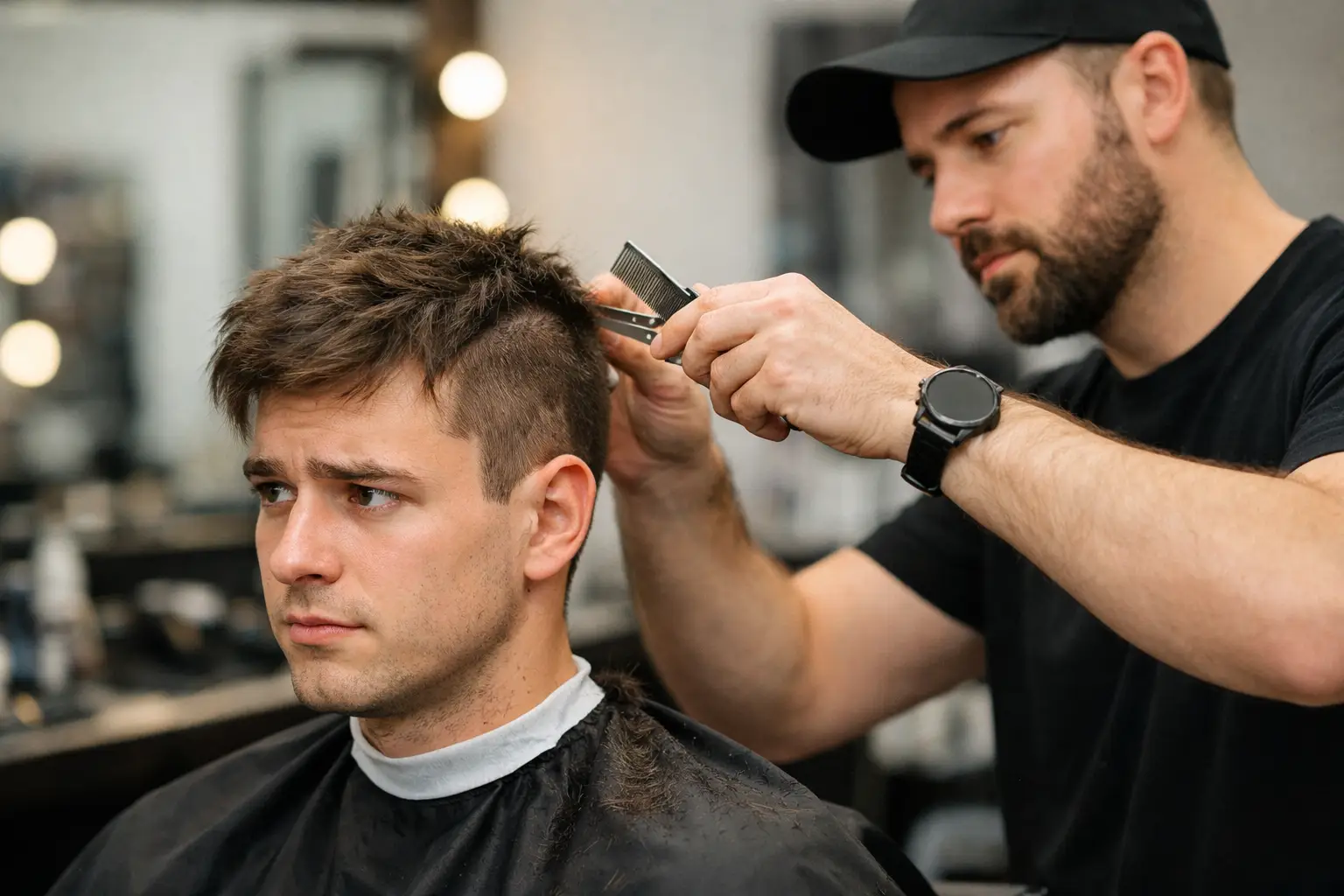
A bad haircut usually shows up all at once. The fade sits too high. The top is left heavy in the wrong spots. The neckline looks rushed. And the first question is simple: can barbers fix bad haircuts?
Most of the time, yes. A skilled barber can improve shape, balance, weight, blend, and overall finish in a single appointment. What matters is how bad the cut is, how much length is left to work with, and whether the goal is to fully correct it now or make it look strong while it grows back. Not every mistake can be erased on the spot, but many can be cleaned up far more than people expect.
Can barbers fix bad haircuts in one visit?
In many cases, they can. If the problem is poor blending, uneven bulk, a crooked line, weak taper work, or a shape that does not match your head or hair pattern, an experienced barber can usually bring it back under control in one session.
This is where craftsmanship matters. A rushed cut tends to leave obvious problems behind - dark corners that should have been debulked, disconnected sections between the sides and top, or a beard line that does not sit naturally with the haircut. A barber who works with precision can rebalance those details and make the haircut look intentional again.
The catch is length. Hair can always be taken shorter. It cannot be put back. If one side has already been pushed too high or too tight, the fix may involve bringing the other side into balance, tightening the overall cut, or reshaping the style into something cleaner than the original plan.
What a barber can usually correct
The easiest fixes are technical ones. If a fade is patchy, the blend can often be softened. If the weight line is too harsh, it can be broken down and refined. If the top feels boxy or bulky, the shape can be adjusted so it sits better and moves more naturally.
Necklines, sideburns, and edge work are also common recovery points. These details make a bigger visual impact than most people realize. A haircut that feels off can look dramatically better once the perimeter is straightened, the taper is cleaned up, and the overall silhouette is brought back into proportion.
Texture can also help. If the haircut is too heavy on top, point cutting or controlled layering may remove enough bulk to make styling easier. If it is uneven but not severely short, the barber can redistribute weight so the haircut looks deliberate instead of accidental.
Beard work can play a role too. On men who wear facial hair, refining the beard shape can help the haircut look more balanced overall. Strong grooming is often about proportion, not just one isolated area.
Bad fades are one of the most fixable problems
A poor fade is frustrating, but it is also one of the most common corrections a barber handles. Maybe the blend jumps too quickly from skin to dark. Maybe the fade climbs too high on the temples. Maybe the back was left with heavy shelves. These are technical issues, and technical issues usually have technical solutions.
A barber may need to tighten the fade overall, change where the blend transitions, or slightly adjust the top-to-side connection. That can mean going shorter than you originally planned, but the result is cleaner, sharper, and easier to wear with confidence.
What barbers usually cannot fix right away
The hardest problem is missing length. If your fringe was cut too short, your crown was taken down too aggressively, or the top was over-texturized, there may not be enough hair left for the exact style you wanted.
That does not mean you are stuck with a bad look. It means the goal changes. Instead of chasing the original cut, a good barber focuses on the best cut available right now. Sometimes that means a tighter crop, a cleaner crew cut, a shorter textured style, or a more disciplined taper that makes the shortness look intentional.
Cowlicks add another layer. If the previous cut ignored your growth pattern and removed too much in the wrong area, the fix may be partly immediate and partly time-based. A barber can reshape around the cowlick, reduce visual imbalance, and show you how to style it, but some corrections need a couple of weeks of regrowth before they are fully right.
Sometimes the best fix is a different style
This is where honesty matters. The wrong barber tells you they can recreate the exact look you wanted no matter what. The right barber reads the hair as it is, not as it used to be.
If the damage is moderate, changing the style often delivers the strongest result. A cut that was meant to be longer and looser might become a sharper crop with texture. A low fade gone too high may need to become a mid fade with a cleaner top shape. That is not settling. That is smart adjustment.
How to know if your haircut is fixable
Start with three questions. Is there enough length left to reshape it? Is the problem mostly about unevenness and poor blending? Are you open to going a little shorter if needed?
If the answer is yes to those, the odds are good. Most bad haircuts are not disasters. They are flawed executions. And flawed execution is exactly what trained barbers correct.
If the haircut is extremely short in the wrong places, the correction window narrows. At that point, the barber's job is to improve symmetry, clean up details, and set the haircut up to grow out better over the next two to four weeks.
Photos help. If you sit in the chair and explain what happened, showing a clear reference of what you wanted and what you received gives the barber a faster path to a solution. Good correction starts with accurate assessment, not guesswork.
What to do before you get it fixed
Do not try to repair it yourself in the mirror. That is how a small issue becomes a bigger one. Trimming one corner, lining up your own neckline, or attacking the heavy spot with clippers usually removes options from the professional who has to fix it later.
Wash the product out and let your hair sit naturally before your appointment. A barber needs to see growth patterns, bulk, and mistakes clearly. If your hair is shellacked into place, the shape is harder to read.
It also helps to be direct. Say what bothers you most. Maybe it is the temple area, the back blend, or the top sitting flat on one side. Clear feedback saves time and leads to a better correction.
Why experience matters more on correction work
A standard haircut and a correction haircut are not the same job. A clean cut from scratch is about building shape. A correction is about diagnosing someone else's mistakes, working within limits, and making careful decisions with less margin for error.
That requires discipline. The barber has to know when to remove weight, when to leave it alone, and when a stronger line or tighter taper will make the whole haircut read better. Too aggressive, and the problem gets worse. Too cautious, and the haircut still looks unfinished.
This is why men who care about presentation tend to avoid rushed, volume-based haircutting. When every detail is sharpened by hand, the outcome is more consistent. And if something needs to be fixed, precision matters even more.
In a shop that takes its time, the consultation is part of the service. The barber studies the head shape, hair density, growth pattern, and existing damage before making the first correction. That is the difference between guessing and craft.
Can barbers fix bad haircuts for kids and teens?
Usually, yes, but the same rules apply. If a child or teen got a cut that is uneven, bulky, poorly blended, or lined up badly, a barber can often clean it up quickly. If too much length is gone, the correction may involve a shorter style that looks neater and grows out more evenly.
Parents often make the mistake of waiting too long, hoping it will somehow settle. Sometimes a bad cut grows into itself. More often, it just looks awkward for longer than necessary. A quick professional correction can save a lot of frustration, especially before school photos, events, or family gatherings.
The best outcome is not always perfection
A strong correction does not always mean turning a bad haircut into the exact original plan. Sometimes it means making it look clean, confident, and intentional by the time you leave the chair. That is still a win.
If you are choosing where to go for the fix, look for a barber who values detail over speed and gives you a realistic answer. In a premium neighborhood shop like Omar's Barbershop, correction work is approached the same way every quality service should be approached - carefully, honestly, and with respect for the finish.
The right barber may not be able to replace lost hair, but he can often restore something just as valuable: a haircut you are not trying to hide.