
How to Maintain a Fade Haircut
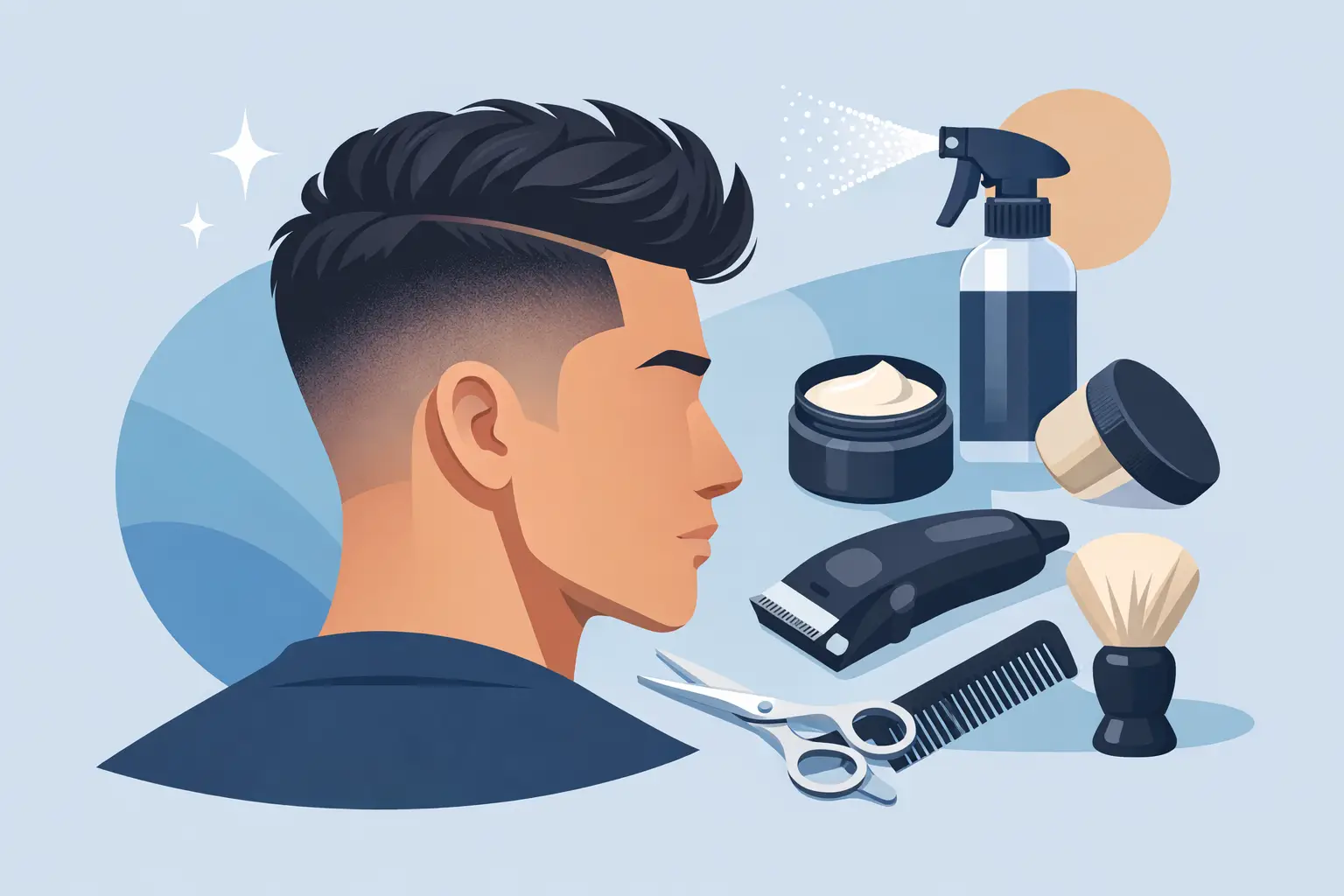
A fade looks its best in the narrow window between fresh and overgrown. That is why knowing how to maintain a fade haircut matters. A strong fade is not just about the day you leave the chair. It is about how well the blend holds up after a week, how clean the neckline stays, and whether the shape still looks intentional when life gets busy.
The truth is simple. Fades are clean by design, but that clean look does not last on its own. Hair grows fast enough to soften the blend, bulk up the sides, and throw off the whole silhouette before you realize it. If you want your haircut to keep looking sharp at work, on weekends, and everywhere in between, maintenance has to be part of the routine.
Why fade maintenance matters
A fade is built on precision. The transition from shorter hair to longer hair has to be smooth, balanced, and consistent around the head. When that grows out, even slightly, the first thing to go is definition.
That does not mean every fade needs constant touch-ups. It depends on the style, your hair texture, how tight the fade starts, and how polished you need to look day to day. A skin fade usually shows growth faster than a low taper. A client in a professional setting may notice a week of growth more than someone who prefers a looser, more relaxed finish.
The trade-off is straightforward. The tighter and cleaner the fade, the more often it needs attention. That crisp look comes with upkeep.
How to maintain a fade haircut between barber visits
Most men lose the shape of a fade in small ways before the whole cut looks overgrown. The sideburns get fuzzy. The neckline starts to spread. The area around the ears loses that clean edge. If you stay ahead of those details, the haircut lasts longer.
Start with brushing or combing the hair daily, especially if you wear product. This keeps the top sitting the way it was cut and helps you see where the bulk is building on the sides. A fade can look uneven when the top is matted down one day and puffed up the next. Basic grooming makes a difference.
Washing matters too, but not in the way most people think. Overwashing can dry out the scalp and make the hair harder to control, especially if you use strong shampoo every day. For most men, shampooing a few times a week and rinsing as needed is enough. If you work out often or spend time outdoors in the heat, you may need to wash more, but use a product that does not strip the hair.
Product choice affects the life of your fade as much as timing does. Heavy grease or thick pomade can flatten the top, collect around the shorter areas, and make the cut look dull. A lighter styling product usually keeps the shape cleaner. Matte clay, light pomade, or styling cream often works better than anything too shiny or too heavy. If your hair is curly or coarse, hydration matters more, so a leave-in conditioner or curl cream may help keep the top controlled without weighing it down.
Keep the edges clean, but know your limits
A lot of men make one mistake between appointments. They try to redo the fade at home.
Cleaning up around the ears, neckline, and sideburns is one thing. Trying to blend the sides with clippers in a bathroom mirror is another. Unless you know exactly what guard, angle, and motion your barber used, it is easy to push the fade too high or create hard lines that are tougher to fix later.
If you have trimmers at home, use them only for obvious cleanup. Remove stray hairs around the neckline if you can reach them safely. Lightly sharpen the sideburns if they have grown uneven. Tidy the outline around the ears if you are careful and have a steady hand. The goal is not to recreate the cut. The goal is to buy a little extra time without compromising the shape.
If you are not confident doing that, skip it. A clean fade is about discipline as much as grooming. Knowing what not to touch is part of maintaining it well.
The right haircut schedule for a fade
If you are serious about presentation, your haircut schedule should be set before the fade fully grows out. Waiting until it looks rough usually means the barber has to do more correction, and you spend more time looking slightly off in the meantime.
For most men, a skin fade or bald fade looks best with a touch-up every 1 to 2 weeks. A mid fade or high fade can often go 2 to 3 weeks, depending on growth. A low fade or taper fade may stretch to 3 or even 4 weeks if the haircut was built with a softer finish.
Your hair type changes the timing. Dark, dense hair can show weight faster. Curly hair may hide some growth but still lose shape around the perimeter. Straight hair often reveals every line clearly, which means the fade may look grown out sooner.
Lifestyle matters too. If you are in meetings, on camera, in client-facing work, or just prefer to look dialed in every day, tighter scheduling makes sense. If your style is more casual, you can let the fade breathe a little longer.
What to ask your barber if you want easier upkeep
Good maintenance starts in the chair.
If you know you cannot come in every week, say that. A skilled barber can build a fade with your routine in mind. A lower, slightly softer fade may grow out cleaner than an aggressive skin fade. Leaving the blend a touch more natural can give you more time before it starts to look overdone.
The top should also match the fade. If the sides are tight but the top gets bulky fast, the whole haircut can lose balance within days. Ask for a shape that works with how you actually style your hair each morning. Precision is not just about the clipper work. It is about making the full cut practical.
This is where a real barbershop experience stands apart from rushed chain cuts. Consistency, detail, and memory matter. When your barber knows how your hair grows and how you wear it, maintenance gets easier because the haircut was designed properly from the start.
Daily habits that keep a fade looking sharp
Small habits carry more weight than most men realize. Sleeping on unwashed product for days, skipping basic combing, or crushing the sides with hats constantly can make a clean cut look tired faster. None of that ruins the fade, but it shortens the polished phase.
If you wear hats often, take a minute to reset the hair when you take one off. If your fade includes a beard blend, keep the beard neckline and cheek line in shape as well. When one area grows out and the other stays crisp, the contrast becomes obvious.
Neck maintenance matters more than people think. The back of the cut is one of the first places that starts to look overgrown. If the neckline is part of your regular service, keeping it fresh can extend the life of the whole haircut.
And do not ignore the scalp. Dryness, flaking, and buildup show more on shorter cuts. A clean scalp helps the haircut look cleaner overall.
When it is time for a full refresh
There comes a point when maintenance is no longer enough. If the blend is gone, the top is out of proportion, and the edges have softened all the way around, a full haircut is the move. Trying to stretch a fade too long usually costs you the look you wanted in the first place.
The best approach is simple. Treat a fade like regular upkeep, not a once-in-a-while fix. That is how you keep the style looking intentional instead of accidental.
For men who want a clean, consistent finish, the standard is not complicated. Stay on schedule, use the right products, respect the shape, and leave the technical work to a barber who takes detail seriously. At Omar's Barbershop, that standard is the whole point. A fade should still look sharp after the first few days, and with the right maintenance, it will.