
How to Maintain Your Haircut Between Appointments
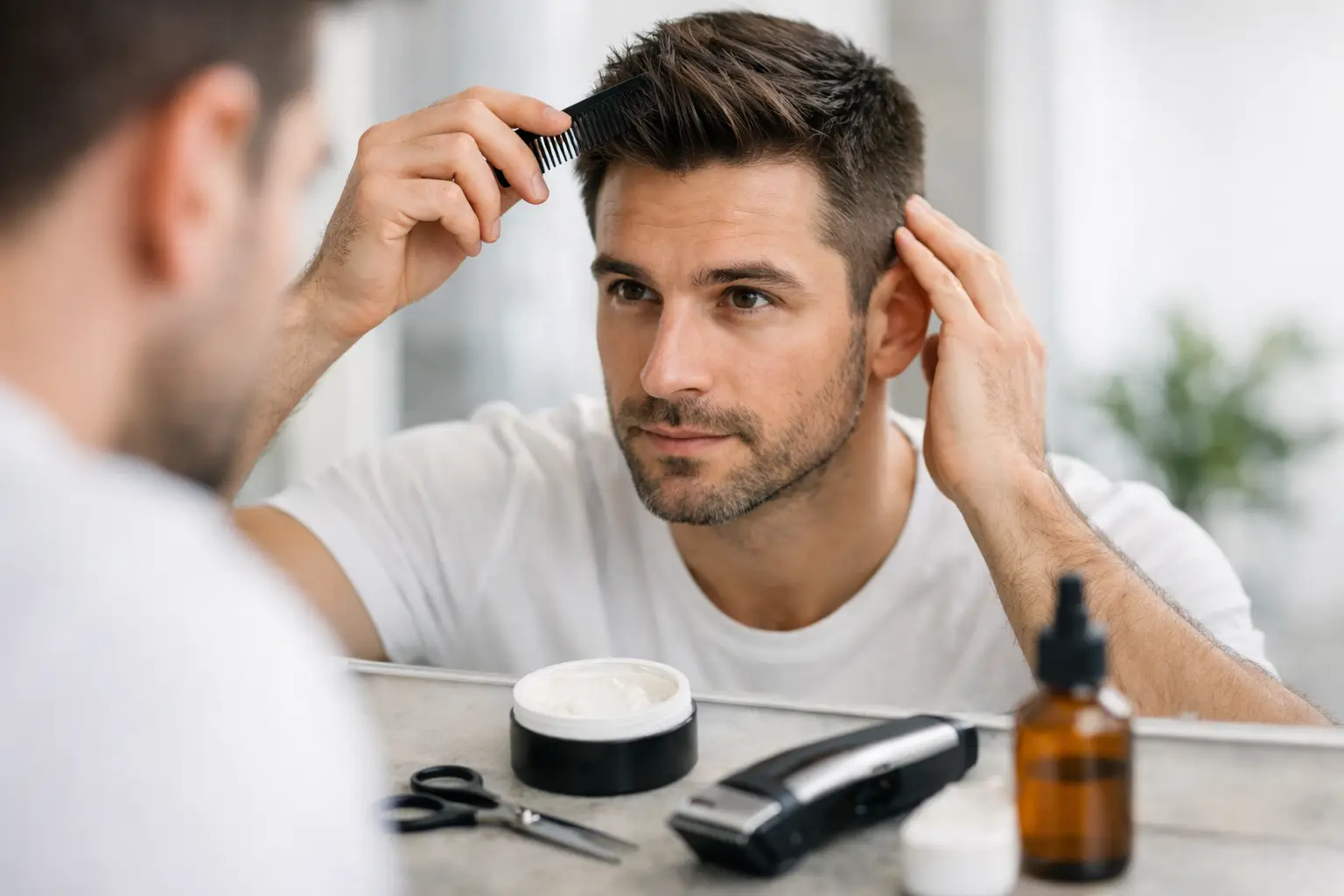
A fresh cut has a certain authority to it. The fade is clean, the shape sits right, and the details around the ears and neckline look intentional. Learning how to maintain a haircut between appointments is what keeps that feeling going after you leave the chair - without trying to turn your bathroom into a barbershop.
The goal is not to make a two-week-old haircut look brand new. Hair grows, fades soften, and texture changes. Good maintenance keeps the overall shape controlled, your scalp healthy, and the details polished until it is time for a proper reset.
Start With the Right Appointment Rhythm
Maintenance begins with knowing your haircut's natural timeline. A skin fade, bald fade, or sharply defined temple area usually looks its best for one to two weeks. By week three, the contrast starts to soften. That is not poor upkeep - it is simply hair growth doing its job.
Classic tapers, scissor cuts, longer textured styles, and medium-length hair can often go three to six weeks before needing attention. The right interval depends on your hair density, growth rate, job, style preference, and how crisp you want to look day to day.
If a sharp fade is part of your professional image, a quick clean-up between full cuts may be worth it. If you wear more length on top and a natural taper, waiting a little longer can preserve the shape without overcutting it. Consistency matters more than chasing a perfect day-one finish every morning.
Wash for Your Hair Type, Not Out of Habit
Overwashing is one of the fastest ways to make a haircut harder to manage. Shampoo strips oil from the scalp and hair, which can leave short hair dry, puffy, and less cooperative. For most men, shampooing two or three times per week is enough. On non-shampoo days, rinse with water if needed and use a small amount of conditioner when your hair feels dry.
If you work out hard, work outdoors, or have an oilier scalp, you may need to wash more often. The answer is not always more shampoo. Try a thorough water rinse after training, then shampoo when there is actual buildup, sweat, or excess oil. Your barber can recommend a routine based on your hair texture and scalp condition.
Dry your hair with purpose. Aggressively rubbing it with a towel creates frizz and can make curls or textured styles lose definition. Pat it dry, then use your hands or a comb to place the hair in its intended direction while it is still damp. That small habit helps the cut settle properly as it dries.
Use Less Product Than You Think
Most styling problems come from using too much product, not too little. Start with a pea-sized amount of pomade, clay, paste, or cream. Warm it fully between your palms, work it through from back to front, then shape the front last.
Choose product based on the finish you want. A matte clay or paste suits textured crops, messy quiffs, and natural-looking volume. A water-based pomade gives more definition and shine for side parts, slick backs, and classic styles. Creams are often the better choice for longer hair or curls that need control without stiffness.
Heavy product can flatten fine hair, separate short textured hair, and leave buildup that makes a clean cut look tired. Add more only after you have worked in the first amount. A little control looks better than hair that appears shellacked into place.
Keep the Shape, Not Just the Length
A haircut grows out unevenly in the places people notice first: around the ears, at the neckline, across the sideburns, and in the fringe. How you style these areas has more impact than trying to trim them yourself.
Use a comb to direct side hair down and back instead of letting it push out over the ears. If your top has grown heavier, use a blow dryer on low or medium heat to build the direction back into the hair. Point the airflow from root to tip and keep the dryer moving. Finish with cool air if your style tends to fall apart by midday.
For a fringe, do not keep cutting it higher every time it bothers you. A small change can throw off the balance of the entire cut, especially with a crop or textured fringe. Instead, style it with a light product and a little lift at the root. If it is blocking your vision or losing its intended shape, it is time for an appointment, not a kitchen-sink correction.
Maintain Your Beard and Sideburns With Restraint
Your haircut and beard should look like they belong together. A clean beard line and controlled sideburns can extend the polished look of your cut, even when the fade has started growing in.
Keep beard maintenance simple between visits. Brush or comb it daily, use beard oil if the skin underneath feels dry, and trim bulk conservatively with a guarded trimmer. Do not chase a razor-sharp cheek line every few days unless you are confident with the tool. Taking off too much creates an uneven line that is harder to correct than a few stray hairs.
The same rule applies to sideburns. Keep them even, but avoid raising them too high or cutting a hard line into a soft taper. Your barber built the transition intentionally. Preserving it is more valuable than creating a temporary edge that clashes with the rest of the haircut.
What Not to Do Between Barber Visits
A few maintenance shortcuts often create more work at the next appointment. Resist the urge to fade your own sides because they feel heavy. Home clippers can remove weight, but blending a fade evenly requires the right guards, lever control, lighting, and perspective. One dark patch or high spot can change the whole silhouette.
Avoid cutting a new neckline unless you wear a naturally blocked neckline and know exactly where it sits. A neckline that is cut too high makes the neck look longer and exposes growth sooner. A natural tapered neckline generally grows out more gracefully, which is one reason many men prefer it.
Also avoid switching products every week. Give your routine time to work. If your hair suddenly feels difficult to style, look first at length, buildup, humidity, and how you are drying it. The product may not be the issue.
Protect the Details That Make a Cut Look Premium
Clean grooming is more than hair length. Keep your scalp clear, your pillowcase clean, and your hats reasonably fresh. Product, sweat, and friction can lead to buildup around the hairline and make short hair look dull.
If you wear a hat for work, training, or long days in the California sun, take a minute to reset your hair afterward. A quick comb, a damp hand through the top, or a small amount of product can bring the direction back. The goal is controlled, not overworked.
Pay attention to your eyebrows, nose hair, and facial hair as well. You do not need to over-groom every feature, but these small details influence how intentional the whole look feels. A precise haircut carries more weight when the rest of your grooming matches it.
Know When It Is Time to Come Back
Book your next visit when the haircut no longer behaves the way it should. For some men, that means the fade has lost contrast. For others, it is when the top gets too heavy, the crown starts standing up, or the beard line loses balance with the haircut.
Do not wait until you are frustrated with it. A regular schedule gives your barber a clearer foundation to work from and helps maintain the shape you prefer. It also makes each appointment more consistent because the cut is being refined, not rescued.
At Omar's Barbershop, the standard is simple: maintain the details at home, then let a trained barber handle the work that requires a trained eye. A few disciplined minutes in the morning can carry a good haircut a long way. When the shape is ready for its next reset, come back before the details start making decisions for you.