
Mens Haircut Maintenance Guide for Sharp Results
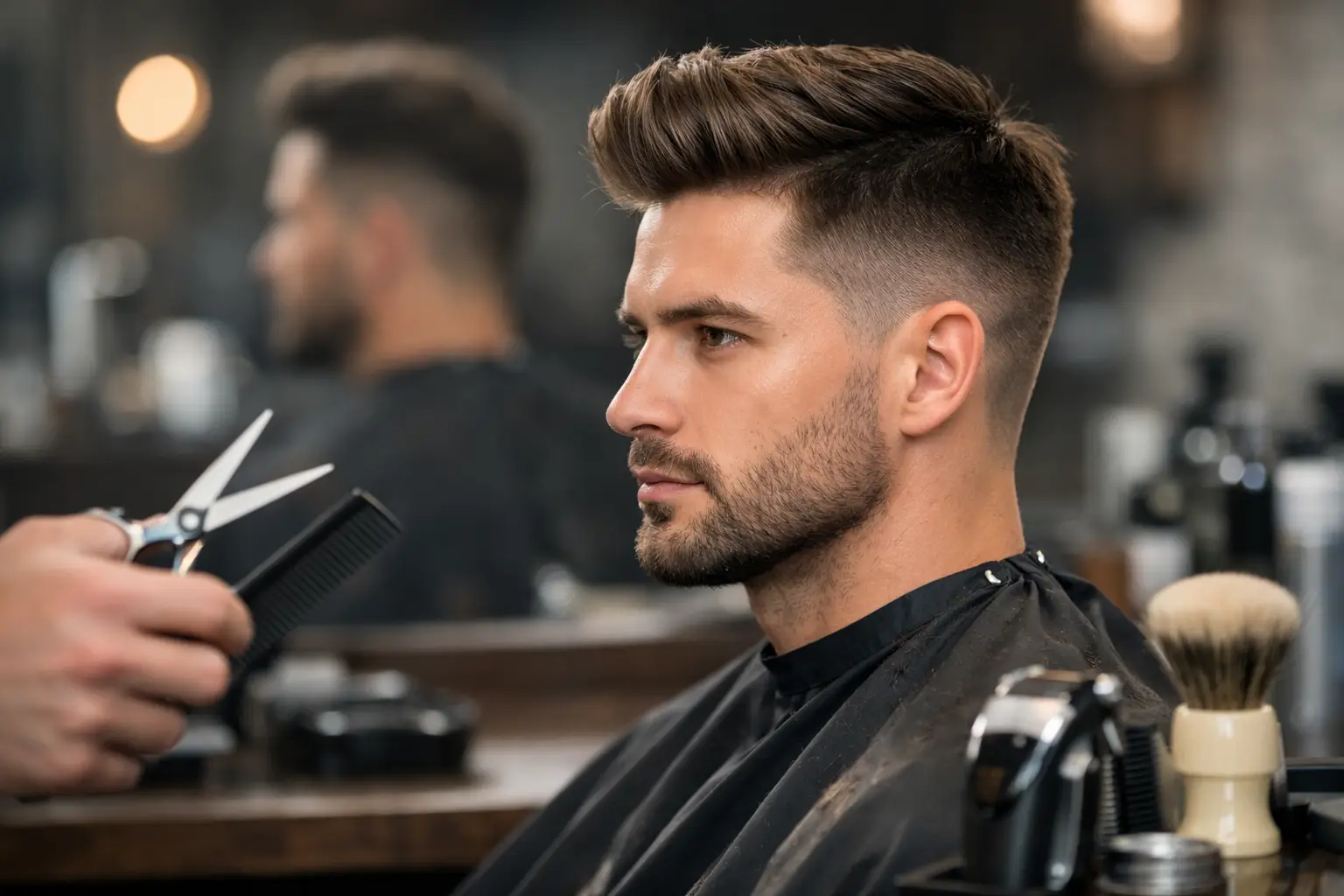
A clean haircut does not slowly fade out - it drops off fast. One week your fade is tight, your neckline is crisp, and your beard sits right. A few days later, the edges soften, bulk shows up where it should not, and the whole look starts reading less intentional. That is where a solid mens haircut maintenance guide earns its place. Good grooming is not about overdoing it. It is about keeping the details under control so your cut holds its shape between appointments.
The biggest mistake most men make is thinking maintenance starts when the haircut already looks overgrown. By then, you are correcting rather than preserving. A better approach is to treat your haircut like part of your routine, the same way you handle shaving, skin care, or getting dressed for work. The goal is consistency.
What a mens haircut maintenance guide really comes down to
Haircut maintenance is not complicated, but it is specific. Your cut, your hair texture, your growth pattern, and your daily routine all matter. A high skin fade needs different upkeep than a medium taper. A textured crop behaves differently than a slicked-back style or longer scissor cut. There is no single timeline that works for every man.
What stays true across the board is this: shape goes first, then edge, then overall polish. Once the silhouette gets heavy around the parietal ridge, the sideburns start pushing out, or the neckline loses definition, the cut stops looking fresh. That can happen in as little as seven to ten days for shorter cuts.
If you like a sharper, more disciplined look, maintenance needs to happen before the haircut looks bad. If you prefer a slightly grown-in finish, you have more flexibility. Neither is wrong. It depends on how precise you want your appearance to read.
Timing your barber visits the right way
Most maintenance problems start with waiting too long between appointments. Men who wear skin fades, bald fades, burst fades, or tight tapers usually look best on a two-to-three-week schedule. If your haircut is built around clean contrast, that schedule keeps the transition looking deliberate instead of blurry.
Classic business cuts, side parts, crew cuts, and scissor cuts often hold longer. Three to five weeks is common, depending on density and how fast your hair grows. Longer styles can stretch further, but that does not mean they are maintenance-free. Length without shape can turn heavy and uneven fast, especially around the ears and crown.
Beard work changes the equation too. If your haircut and beard are designed to flow together, one overgrown area can throw off the entire look. Many men benefit from beard cleanups between full haircut appointments, especially if they keep a defined cheek line or a sharp lower edge.
A good rule is simple: book your next appointment based on when you want to look your best, not when things start falling apart.
Daily habits that keep your cut looking cleaner
The barbershop sets the foundation. What you do at home protects it.
Start with how you wash your hair. Shampooing too often can dry the scalp and make the hair harder to manage, especially if you use strong products every day. For most men, two to four times a week is enough, with rinsing or light conditioning in between if needed. If your scalp runs oily or you train hard, you may need more frequent washing, but harsh daily shampoo can still work against you.
Drying matters more than most men think. Rubbing aggressively with a towel roughs up the cuticle and can make short styles look frizzy or puffy. Pat dry, then use a blow dryer if your style needs direction or volume. Even a quick minute of controlled drying can keep a crop, quiff, or side part sitting properly.
Then there is product. Too much product makes a fresh cut look heavy. Too little leaves it unfinished. Matte clay or paste usually works well for textured and natural looks. Pomade gives more shine and control for cleaner, classic styles. Sea salt spray can help with movement, but it is not a finish product for every hair type. Fine hair can benefit from lighter creams or texture sprays, while thick hair often needs stronger hold.
The point is not to own ten products. It is to use the right one, in the right amount, for the haircut you actually wear.
Keep your edges clean without getting reckless
A lot of men try to stretch their haircut by cleaning up around the ears, neckline, or beard at home. That can help, but only if you stay disciplined. The risk is trying to recreate barber work in the mirror and taking too much off.
If you are cleaning your neckline or beard, stay on obvious stray growth only. Do not push your natural lines higher, sharper, or deeper than they were originally set. Once that shape is altered, the haircut loses balance and becomes harder to fix cleanly at your next visit.
Neck trimmers can be useful. So can a foil shaver for very short stubble. But home maintenance should protect the cut, not redesign it.
The haircut type changes the maintenance plan
Short fades are the highest-maintenance option for a reason. They look excellent when fresh because contrast is doing most of the visual work. As soon as the shortest area grows in, the fade softens. That is why men who wear skin fades often come back sooner than men with a low taper or a longer top.
Textured crops and messy tops can hide growth better, but they still need cleanup around the perimeter. If the fringe starts collapsing or the crown gets bulky, the style stops looking effortless and starts looking neglected.
Traditional side parts and executive cuts usually age well if they are cut correctly. They can look even better after a few days once they settle. Still, the ears, sideburns, and neckline tell the truth. That is where neatness either holds or slips.
Curly hair adds another layer. Some curl patterns grow outward before they grow down, so shape control matters more than raw length. Moisture also matters more. If curls are drying out, the haircut can look uneven even when the cut itself is still solid.
Straight, dense hair tends to show bulk lines faster. Fine hair tends to collapse faster. Thick coarse hair can throw volume where you do not want it. Good maintenance is always tied to how your hair behaves, not just how the cut looked on day one.
Product discipline matters more than expensive products
Most men do not need a shelf full of grooming items. They need a barber who understands the finish they want and a simple routine they will actually follow.
If you wear a clean professional style, use a product with control but not stiffness. If you wear a modern textured cut, avoid greasy formulas that flatten movement. If your scalp is sensitive, do not ignore it. Flaking, irritation, and buildup can make even a sharp haircut look poorly maintained.
The better your haircut is, the less product it should need to look good. Precision cuts are built to fall into place with minimal effort. If you are constantly fighting your style every morning, either the product is wrong, the routine is off, or the cut needs adjustment.
Why consistency beats occasional cleanup
A man who gets an excellent haircut every six weeks but does nothing in between usually looks less polished than the man who follows a consistent routine and keeps his schedule tight. Maintenance is not about vanity. It is about standards.
That matters at work, at events, on dates, and in everyday life. People may not comment on your haircut every time, but they notice when you look put together. They also notice when details slide. A clean cut signals discipline, reliability, and self-respect without saying a word.
That is one reason premium barbershop service still matters. Precision is not just in the first 20 minutes after the cape comes off. It shows in how the haircut grows out, how the blend holds, and how easy it is to maintain between visits. That is the difference between a rushed haircut and one built with intent.
At a shop that takes craftsmanship seriously, the goal is not just to get you out of the chair looking sharp. It is to give you a cut that stays sharp longer and a plan you can actually live with.
Build a routine you can keep
The best maintenance plan is the one you will follow every week. That usually means booking your next haircut before you leave, washing and styling with some consistency, and resisting the urge to start cutting into your own shape at home. Small habits keep a good haircut looking expensive.
If your style needs to look precise all the time, tighten the schedule. If you like a more relaxed finish, give it more room. If your beard is part of the overall look, treat it like part of the haircut, not a separate afterthought.
Sharp grooming is not complicated. It is regular. Keep the shape, respect the details, and do not wait until the mirror tells you the haircut is already gone.