
Before and After Beard Trim Results Explained
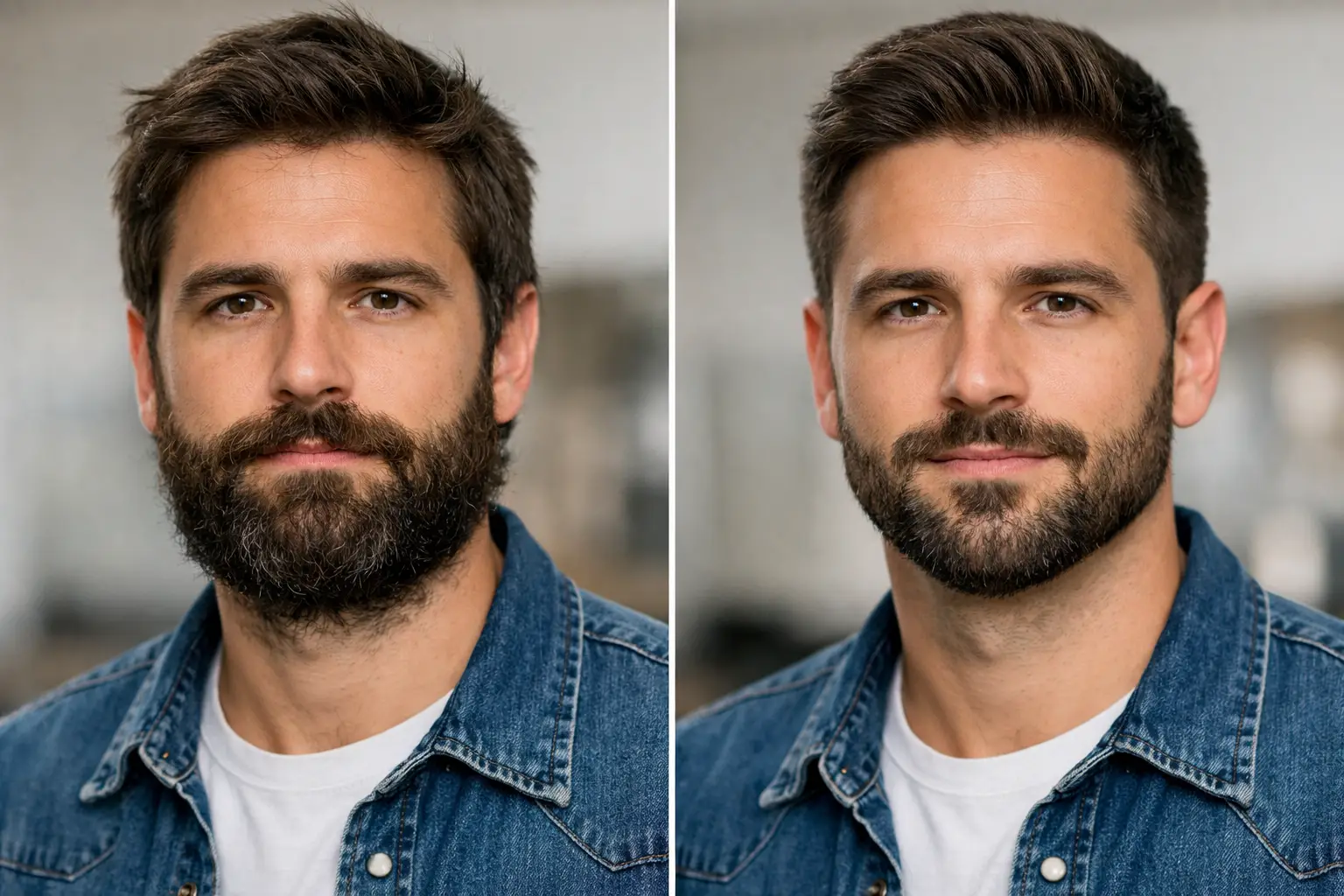
A beard can be full, healthy, and still look unfinished. The difference in a proper before and after beard trim is not simply less hair. It is cleaner structure, stronger balance, and a shape that makes your face look more intentional. When the lines are right, your beard supports the haircut instead of competing with it.
For men who care about their presentation, beard maintenance is not an afterthought. It is the detail that can turn a good cut into a complete look. The right trim respects your natural growth pattern while bringing order to the areas that grow unevenly, flare out, or lose their shape between appointments.
What Changes Before and After a Beard Trim
Before a trim, even a solid beard can start to lose definition. The cheek line may look scattered, the neckline can creep too low, and the mustache may begin to cover the lip. Length often gathers in the wrong places too, making the beard appear wider, heavier, or less even than it actually is.
After a professional trim, the change should look controlled rather than overdone. The outline is clean, the bulk is reduced where needed, and the beard sits closer to the face with a deliberate shape. A skilled barber preserves the density that gives a beard character while removing the extra weight that makes it look unkempt.
The most noticeable result is usually balance. Your beard should work with your head shape, jawline, haircut, and mustache. A close fade with an oversized, unstructured beard can look disconnected. A clean taper at the sideburns and a well-blended beard create a smoother transition from hair to facial hair.
A Great Beard Trim Is More Than Shorter Hair
Trimming a beard at home can remove length. That does not always create shape. Clippers set to one guard can leave a beard technically even while making it look flat, boxy, or too round for your face. The difference comes from knowing where to leave weight, where to taper it, and where a line should sit.
A barber looks at the beard from every angle, not just straight on in the mirror. The profile matters. So does the way the beard grows under the jaw, around the corners of the mouth, and into the sideburns. Small corrections in those areas often create the biggest before and after beard trim contrast.
There is also a trade-off to consider. Chasing extremely sharp lines can make a beard look impressive for a day or two, but taking the cheek or neck line too high can leave it looking thin as it grows back. The best result is crisp enough to look polished and natural enough to wear well between visits.
Shape Starts With the Face, Not a Trend
There is no one beard shape that works for every man. A fuller beard can add definition to a narrower jaw, while a shorter, tighter profile may suit a rounder face. Men with strong jawlines often benefit from a neat, slightly tapered beard that does not hide their natural structure.
Length should be placed with purpose. If the beard is fullest under the chin, a barber may reduce some weight there to keep the profile from looking heavy. If the jawline needs more presence, leaving controlled density along the lower edge can create a more squared, confident look. The goal is not to force every beard into the same template. It is to make yours look like it belongs on you.
The Lines Do the Heavy Lifting
The neckline is one of the first things people notice, even if they do not realize it. A neckline that grows too far down the neck makes the beard appear unfinished. A line cut too high can make the beard look small or disconnected. The right placement follows your facial structure and leaves enough coverage to look natural.
Cheek lines deserve the same discipline. Some men have naturally dense, high cheek growth and need only a light cleanup. Others benefit from a more defined edge that removes stray growth without creating an artificial-looking curve. The mustache also needs attention. Keeping it neat at the lip and blended into the beard keeps the whole shape polished.
Match Your Beard to Your Haircut
Your beard and haircut should be treated as one service, especially if you wear a fade, taper, pompadour, crop, or textured top. The transition at the sideburns is where the two styles meet. If it is too abrupt, the beard looks pasted on. If it is too soft, the cut can lose its clean finish.
A low fade often pairs well with a gradual beard blend, while a classic scissor cut may call for a fuller, more traditional beard shape. A close buzz cut can handle a stronger beard outline because the contrast is part of the look. It depends on your hair density, work environment, and how much maintenance you want to commit to.
This is why bringing reference photos can help, but they should not dictate the entire service. Your barber can use the photo to understand the level of sharpness or length you prefer, then adapt it to your face and natural growth. A style that looks right on one man may need different proportions on another.
How Often Should You Trim Your Beard?
Most men benefit from a shape-up every two to three weeks. That schedule keeps the neck, cheeks, and mustache clean without sacrificing meaningful length. If you wear a short beard or rely on sharp lines for a professional appearance, every one to two weeks may be better.
Longer beards can usually go three to five weeks between full trims, but they still need daily care. Brushing helps direct the hair, while beard oil or balm can reduce dryness and make the beard sit more evenly. Avoid cutting too much at home between appointments. A few stray hairs are easier to fix than an uneven section taken too high.
Growth rate matters, but so does your tolerance for a softer outline. Some men prefer a freshly detailed look at all times. Others are comfortable with a more natural beard between visits. A good barber can set a shape that grows out cleanly, which gives you more flexibility either way.
Why Professional Detail Shows Up in the Result
The cleanest beard work is usually built in stages: bulk removal, shape setting, blending, line work, and a final check from multiple angles. Rushing any one of those steps can leave dark patches, uneven corners, or a line that looks fine in the chair but awkward by the next morning.
At Omar's Barbershop, beard service is treated with the same precision as a fade or classic straight razor shave. The goal is not to rush you through a chair. It is to leave the beard balanced, the skin clean, and the finish sharp enough to hold up outside the shop.
For many clients, a hot towel and razor cleanup make the final difference. Clippers create the structure, but detailed finishing gives the neckline and cheek area that clean, close result. If your skin is sensitive, tell your barber before the service. The right approach may be a softer outline or a different finishing method that still looks refined without causing irritation.
Keep the Fresh Finish Looking Better Longer
The first day after a trim is easy. The real test is how the beard looks a week later. Wash it regularly, but do not strip it with harsh soap. After showering, comb or brush the beard in the direction you want it to sit, then apply a small amount of product if it feels dry or starts to puff out.
Pay attention to the mustache and the area under the chin. Those spots often lose their clean look first. If you touch them up, make minimal adjustments and stay well inside the line your barber created. Trying to redraw the entire neckline in a bathroom mirror is where good beard shapes usually go wrong.
A strong beard does not need to look overly sculpted. It needs to look cared for. Keep the shape, protect the length that suits you, and return for detail work before the edges start running the show.