
How to Choose a Barber Who Gets It Right
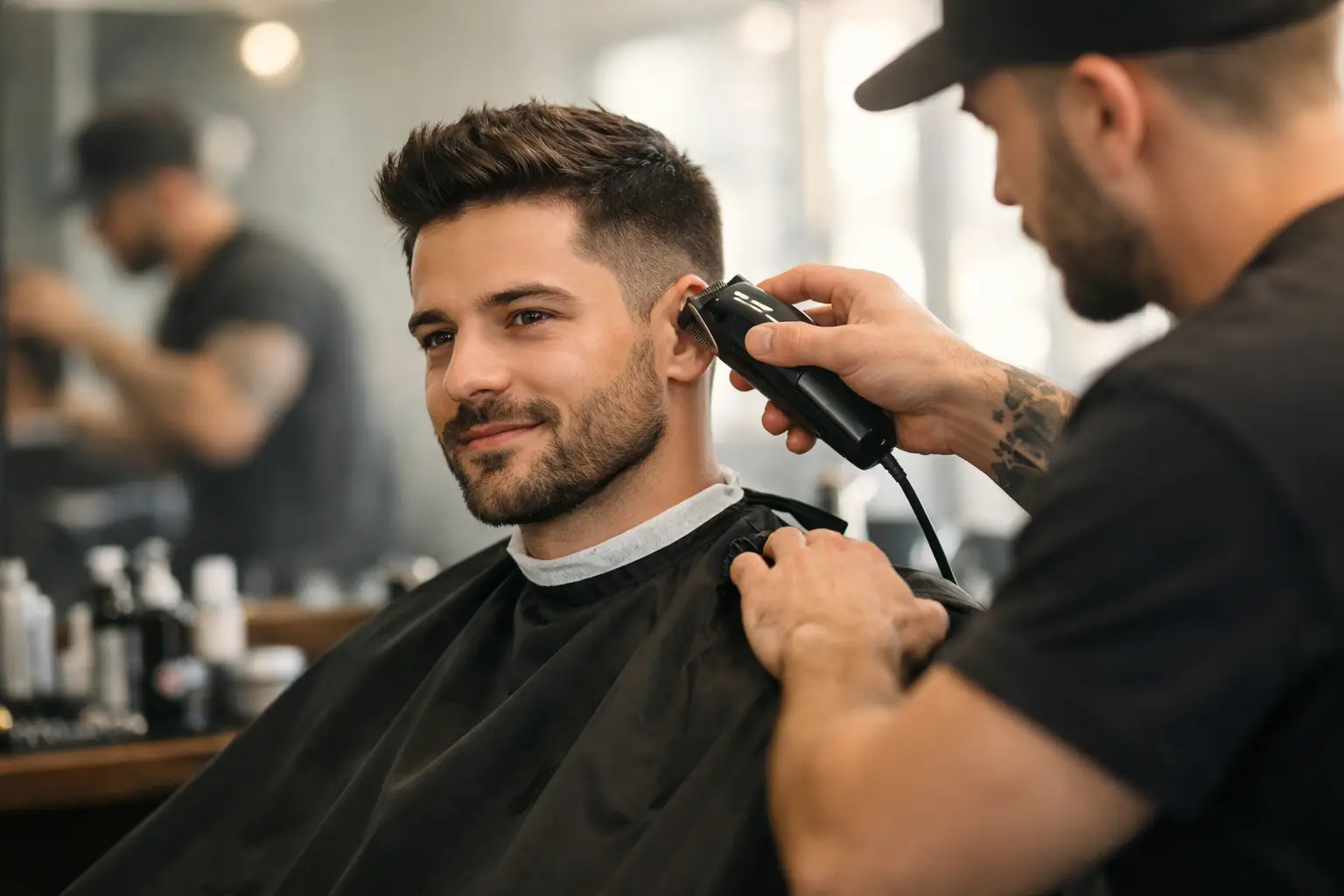
A barber can take your haircut from sharp to forgettable in about 30 minutes. The difference is rarely just the style you ask for. It comes down to consultation, technique, attention to detail, and whether the person behind the chair understands how you want to look when you walk out. Knowing how to choose a barber means looking past the closest open chair and finding someone whose work earns your trust.
A good barber does more than remove length. He reads your hair growth, face shape, daily routine, and personal style, then delivers a cut that still looks right a week later. That standard matters whether you wear a tight skin fade, a classic side part, long textured hair, or a clean beard.
Start With the Work, Not the Price
Price matters, but it should not be the first filter. A bargain cut that grows out unevenly costs more in frustration than a properly executed service from a skilled barber. The goal is value: a haircut, fade, beard trim, or shave that looks intentional and holds its shape between appointments.
Start by reviewing a shop's recent work. Look closely at photos and videos, not just polished marketing images. Clean fades should transition smoothly without dark lines or patchy areas. Necklines should be balanced. Beard work should follow the client's natural density rather than forcing a shape that will look harsh after a few days.
Pay attention to variety, too. A barber who can execute only one popular fade may not be the right fit if you want scissor work, longer styling, a traditional taper, or detailed beard grooming. Consistent quality across different hair types and styles says more than one impressive photo.
How to Choose a Barber Based on Your Style
The best barber for a high-and-tight is not automatically the best barber for a layered medium-length cut. Before you book, get specific about what you need. If your look depends on a crisp fade, study the blend work. If you maintain facial hair, look for clean cheek lines, natural neckline work, and beard trims that suit the shape of the face. If you prefer classic grooming, confirm that the shop has experience with straight razor shaves and hot towel service.
Bring reference photos, but use them as a starting point rather than a command. Hair texture, density, cowlicks, and head shape change the final result. A professional barber will explain what can be recreated exactly, what should be adjusted, and why. That conversation is a good sign. Honest guidance is better than a quick agreement followed by a disappointing cut.
It also helps to consider your routine. A sharp skin fade can look exceptional, but it may require cleanup every one to two weeks. A lower taper or longer textured style may give you more time between visits. The right barber helps you choose a look that works not only on appointment day, but also on Monday morning, at the gym, and during a busy week.
Read Reviews for Consistency
Strong reviews are useful when you read beyond the star rating. Look for repeated comments about punctuality, attention to detail, professionalism, and barbers who listen. Those patterns tell you whether a shop delivers the same standard day after day.
A review that says, “Great cut,” is positive, but less useful than one describing a barber who took time to understand the requested style, fixed uneven growth, or delivered a clean beard line without taking off too much length. Specific feedback usually reflects a real experience.
Also consider how a business handles the occasional issue. No service business is perfect. What matters is whether the team takes ownership, communicates respectfully, and works to make things right. A premium barbershop protects its reputation by respecting every client in the chair.
Visit the Shop Before You Commit
The shop environment can tell you plenty before the cape goes on. A well-run barbershop should feel organized, clean, and professional. Tools should be maintained, workstations should be sanitary, and the atmosphere should be relaxed without becoming chaotic.
Listen to how barbers speak with clients. Are they asking questions before cutting? Do they confirm guard lengths, fade placement, and how much length to remove? Are they focused on the person in the chair, or rushing through the service while watching the door?
There is a difference between an efficient shop and a rushed one. Efficient means appointments move smoothly, walk-ins are welcomed when possible, and clients are respected. Rushed means the consultation disappears, corners are cut, and every service feels like it is being pushed through on a timer. Precision takes focus.
For fathers, the same standard applies when bringing in a son. A kid-friendly barber is not simply someone who offers children's cuts. It is someone patient enough to make a young client comfortable while still delivering a clean, age-appropriate result.
Judge the Consultation Carefully
The consultation is where a dependable haircut begins. Before reaching for clippers, a skilled barber should ask what you liked or disliked about your last cut, how short you want the sides, where you want the fade to sit, and how you normally style your hair.
This does not need to be a long interview. It should be clear and purposeful. Even regular clients benefit from a quick check-in because preferences change. Maybe you want to keep more weight at the temples, soften the beard line, grow the top out, or move from a high fade to a low taper.
A barber should also be willing to offer professional input. If your requested style fights your natural growth pattern or requires more maintenance than you want, he should tell you. The best service is collaborative. You bring the vision; the barber brings the technical judgment.
Look for Detail at the Finish
Many cuts look fine halfway through. The final five minutes reveal the standard of the service. Watch for hand-finished details: checking the blend from multiple angles, refining the outline, trimming stray hairs around the ears, balancing the sideburns, and showing you the back before the service ends.
For beard services, detail matters even more. A strong finish respects the beard's natural shape and fullness. Lines should be sharp without looking painted on. The mustache, neckline, and cheek area should work together. If you choose a straight razor shave, the experience should feel deliberate, with proper preparation and a close, comfortable finish rather than a rushed pass with a blade.
These details are not extras. They are the difference between a haircut that looks acceptable and one that looks professionally finished.
Choose Convenience That Does Not Sacrifice Quality
A great barber needs to fit your real schedule. Online booking makes it easier to reserve a preferred time and barber, while walk-in availability can save the day before an event, meeting, or weekend plans. Seven-day service can be especially valuable for professionals and families managing full calendars.
Still, convenience should support quality, not replace it. The easiest appointment is not the best one if the result is inconsistent. Once you find a barber whose work suits you, regular appointments build momentum. He learns your growth pattern, preferred fade, beard shape, and the small details that make your cut yours.
That relationship is worth maintaining. You will spend less time explaining, avoid the gamble of a new chair, and leave with the confidence that comes from knowing the result before the first clipper pass.
In Anaheim, Omar's Barbershop is built around that standard: precise work, classic service, and the time required to finish every detail properly. Whether you book ahead or stop in, choose the barber who listens closely, works with discipline, and treats your appearance like it matters. Because it does.