
10 Best Beard Styles for Fades That Stay Sharp
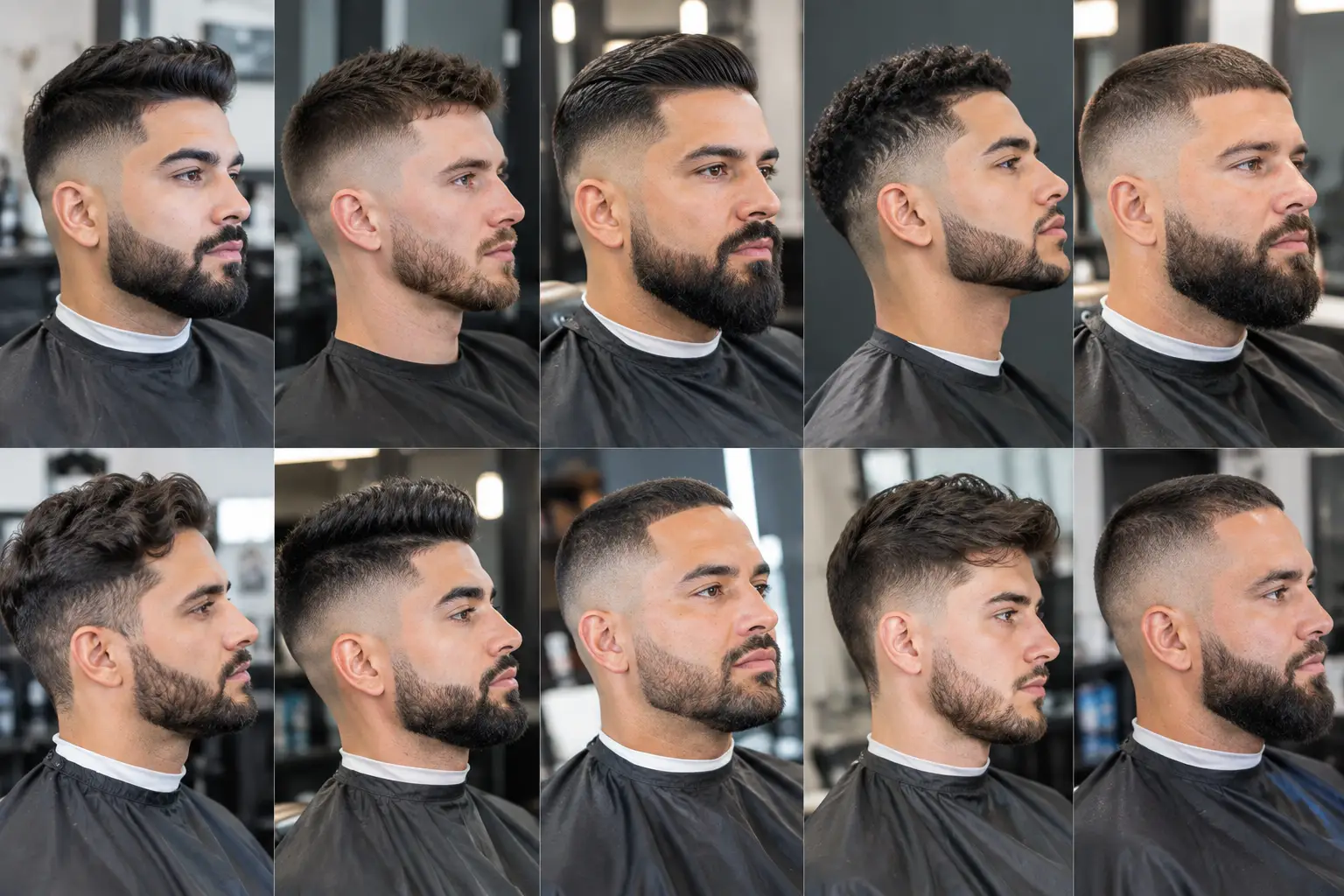
A clean fade can lose its impact the moment it meets an unshaped beard. The best beard styles for fades do more than look good on their own - they create one deliberate profile from the temple to the jawline. When the transition is balanced, the result is sharp, masculine, and put together from every angle.
A fade and beard should be planned as one service, not two separate decisions. Hair density, face shape, beard growth pattern, and how much time you are willing to spend maintaining the look all matter. The right pairing gives your barber room to sharpen your strongest features without making the cut feel overworked.
What Makes a Fade and Beard Work Together
The key is proportion. A tight skin fade places a lot of visual attention around the sides of the head, so it often benefits from a beard that adds weight at the jaw. A lower, softer fade can carry a shorter beard or heavier stubble without looking disconnected.
The sideburn transition matters just as much as the beard length. It can be faded gradually into the beard for a modern, blended finish, or kept slightly more defined for a classic barbershop look. Neither approach is automatically better. A clean blend suits men who prefer a smooth, contemporary silhouette, while a defined transition can add structure to a fuller beard.
Your neckline and cheek lines are the finishing details. A neckline set too high can make even a strong beard look thin. One set too low can appear unfinished. Precision is not about taking off the most hair. It is about removing only what does not serve the shape.
10 Best Beard Styles for Fades
1. Heavy Stubble With a Low Fade
Heavy stubble is one of the most reliable choices for a low fade. The softer graduation at the temple flows naturally into short facial hair, creating a clean but low-maintenance look. It works especially well for men with uneven beard density because it does not demand a fully packed-in beard.
Keep the cheek line natural but cleaned up, and have the neckline set with intention. Stubble grows fast, so this style looks best when it is maintained every few days rather than allowed to drift into scruff.
2. Short Boxed Beard With a Mid Fade
The short boxed beard and mid fade combination is a modern standard for good reason. The fade opens up the sides while the beard keeps the jawline grounded. It is polished enough for the office and strong enough for weekends.
This pairing suits oval, round, and square face shapes. Ask for a compact beard with crisp cheek and neck lines, rather than too much length under the chin. The goal is a controlled frame, not unnecessary bulk.
3. Full Beard With a Skin Fade
A full beard paired with a skin fade creates high contrast. The sides are taken tight, while the beard provides weight and texture below the cheekbones. It is a bold look, but it requires real discipline. A skin fade that grows out quickly can make the beard appear heavier than intended if appointments are spaced too far apart.
This style is strongest on men with dense growth through the cheeks and jaw. Your barber should blend the sideburn area carefully so the fade does not stop abruptly at a wall of beard.
4. Taper Fade With a Corporate Beard
For professionals who want a refined cut without an aggressive contrast, a taper fade and corporate beard are hard to beat. The hair stays fuller through the sides than a skin fade, while the beard remains short, tidy, and evenly shaped.
This is a dependable choice for regular meetings, formal settings, and men who prefer a classic presentation. It also grows out more forgivingly than tighter fade combinations, making it practical if your schedule does not allow weekly cleanup.
5. Goatee With a High Fade
A goatee and high fade can put definition directly where it counts: the chin and mouth. This combination works well for men whose cheek growth is lighter or less consistent than their mustache and chin growth. Instead of fighting patchy areas, it makes the strongest growth pattern the focus.
The high fade keeps the sides clean and draws attention toward the center of the face. Make sure the goatee is proportioned to your chin. Too narrow can look dated, while too wide can lose the definition that makes the style work.
6. Beard Fade With a Drop Fade
A drop fade follows the curve behind the ear, creating more depth around the back and sides of the head. Pair it with a beard fade, where the sideburns gradually build into a medium-length beard, and the entire profile feels connected.
This is a strong option for men who want detail without a hard-edged look. The curved drop fade complements a rounded or fuller beard shape, particularly when the beard is kept dense along the jaw but controlled at the neck.
7. Balbo Beard With a Mid Skin Fade
The Balbo beard separates the mustache from the chin beard and removes the sideburn connection. With a mid skin fade, it creates a precise, sculpted appearance that gives the face a sharper outline.
It is best for men who have solid growth around the chin and mustache but do not want to wear a full beard. Because the style relies on clean separation and exact lines, it needs more frequent detailing than stubble or a naturally shaped short beard.
8. Short Beard With a Burst Fade
A burst fade curves around the ear while leaving more length at the back, making it a natural match for textured crops, curls, and modern longer-on-top styles. A short beard balances the extra movement in the haircut without competing with it.
Keep the beard compact at the sides and slightly fuller at the chin if you want more length in the face. This prevents the overall look from becoming too wide through the cheeks.
9. Garibaldi Beard With a Low Taper
A Garibaldi beard is fuller, broader, and more natural through the bottom. It pairs better with a low taper than with an extremely tight fade. The taper keeps the temples and neckline clean while allowing the beard to remain the main feature.
This is a patient man’s beard. It needs time to grow, regular conditioning, and occasional shaping to stop it from spreading outward without purpose. If you want a fuller beard but still need a professional finish, this pairing gives you both.
10. Extended Goatee With a Temple Fade
An extended goatee runs along the chin and lower jaw without filling the upper cheeks. Combined with a subtle temple fade, it offers definition without requiring a full beard. It can be particularly effective on round faces because it adds visual length below the mouth.
The lines must be intentional. A sharp mustache, clean cheek clearance, and a properly placed neckline keep this style looking tailored rather than accidental.
Choose by Face Shape, Not Just Trend
A strong reference photo is useful, but it should start a conversation, not end one. The same fade and beard can look completely different depending on bone structure and growth pattern.
Rounder faces often benefit from height on top and a beard that adds length at the chin rather than width at the cheeks. Square faces can handle fuller jaw coverage, though overly sharp corners may make the face look too blocky. Oval faces have the most flexibility, but even then, balance matters. If your beard grows thin on the cheeks, a shorter style or goatee may look more intentional than forcing a full beard.
Your barber should also account for your hairline, crown pattern, and how your beard grows along the neck. Good grooming is not copying a style exactly. It is adapting its structure to your face.
Keep the Finish Sharp Between Appointments
A fade-beard combination is only as sharp as its maintenance. Use beard oil or a lightweight conditioner if your facial hair feels dry, but do not overapply product. A small amount worked through the beard after washing is usually enough to keep it soft and controlled.
Brush longer beards downward and outward to see their true shape before trimming. At home, limit yourself to obvious cleanup around the lip and stray hairs well outside the established cheek line. Trying to redraw your own neckline with a razor is where many good beard shapes go wrong.
Tighter skin fades and sculpted beard styles usually need more frequent cleanup than a low taper and heavy stubble. That trade-off is worth considering before choosing a look. The sharpest style is not always the one with the most contrast. It is the one you can maintain consistently.
The right fade-beard pairing should look deliberate when you leave the chair and still look respectable weeks later. Choose the shape that fits your face, your growth, and your routine, then let precise detail do the rest.