
Can Barbers Shape Patchy Beards? What They Can Do
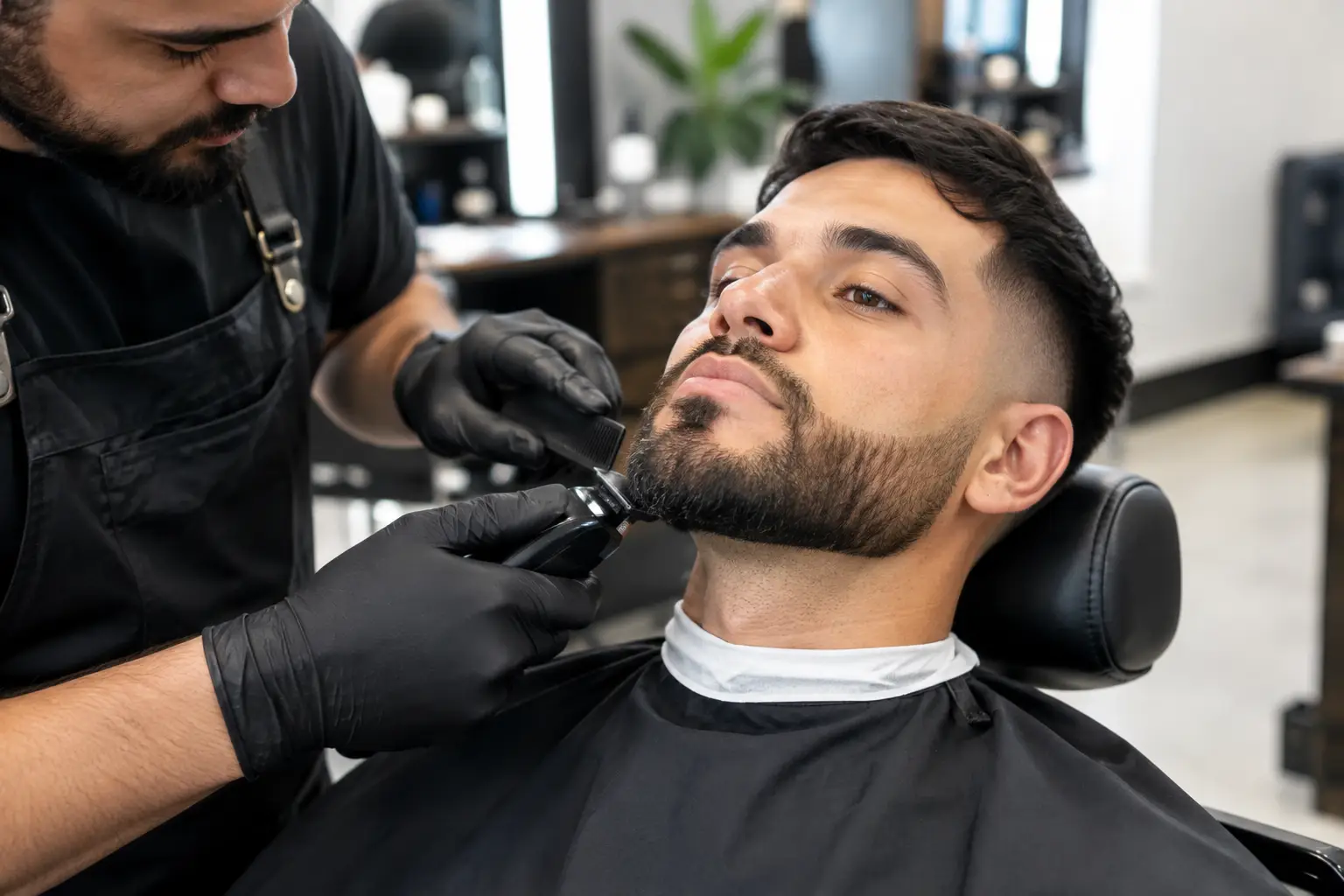
A patchy beard does not automatically mean you should shave it off. Uneven growth is common, especially through the cheeks, mustache, and areas connecting the beard to the chin. The real question is: can barbers shape patchy beards in a way that looks deliberate rather than thin? Yes - when the barber works with your natural density instead of trying to force a beard shape your growth pattern cannot support.
A clean beard is not defined by maximum length. It is defined by balance, proportion, and sharp detail. The right shape can make stronger areas carry the look while keeping sparse sections from becoming the first thing people notice.
Can Barbers Shape Patchy Beards?
A skilled barber can absolutely shape a patchy beard. What he cannot do is create new hair follicles or turn light growth into a dense, full beard in one appointment. The craft is in assessing where your beard grows best, choosing a length that supports it, and setting lines that improve the overall frame of your face.
This is why beard work should never be treated like a quick pass with clippers. A barber studies the cheek line, jawline, mustache, chin density, sideburns, and the way your beard connects to your haircut. Small adjustments in each area can make a major difference in how complete the beard appears.
For many men, the best result is a shorter, more intentional beard. Keeping a patchy beard too long can expose gaps and make individual sections look disconnected. Taking it down to a controlled stubble or short boxed length often creates a darker, more even visual field. It looks maintained because it is maintained.
The Shape Matters More Than the Gaps
Patchiness becomes more noticeable when a beard has no structure. Uneven cheek growth that is left high and loose can pull attention upward. An undefined neckline can make the jaw disappear. A mustache that grows heavier than the cheeks can throw off the entire profile.
The solution is not one universal beard outline. It depends on your face shape, beard density, and the direction of your growth. A barber may lower the cheek line slightly to remove thin upper growth, then preserve density beneath it. He may keep more fullness at the chin to add length to a rounder face, or tighten the lower line to give a softer jaw more definition.
The neckline is especially important. Too high, and the beard can look undersized. Too low, and it loses its clean finish. The right placement creates a strong edge under the jaw without looking overly carved. That hand-finished line is one of the clearest signs of professional beard work.
Shorter Lengths Often Work Better
A short beard does not mean a plain beard. In fact, it is often the strongest choice for uneven growth. At a shorter length, the contrast between dense and sparse zones is reduced. The beard looks controlled, and the sharp perimeter does more of the visual work.
A barber can blend the sideburns into a fade or tapered haircut, soften bulky areas under the jaw, and keep the mustache proportional to the beard. Those details create continuity. Instead of seeing separate patches of facial hair, people see one clean grooming decision.
There are exceptions. If your chin and jaw growth are strong but your cheeks are light, a slightly longer goatee-style direction may suit you better than a full beard outline. If the mustache is dense, it can be kept fuller while the beard stays close. The best style is the one that gives your strongest growth the lead role.
What Happens During a Professional Beard Shape
A proper beard appointment begins with observation, not trimming. Your barber should look at your beard dry or nearly dry, because wet hair can hide density and make length harder to judge. He will identify the areas that grow thick, the areas that break up, and the natural edges worth preserving.
From there, the beard is reduced gradually. Taking off too much too quickly is the easiest way to lose a shape that took weeks to grow. Clippers establish the working length, while detail trimmers refine the cheeks, lip line, and neckline. A straight razor can provide the cleanest finish on the perimeter when your skin and preference allow for it.
The difference is in restraint. A patchy beard needs thoughtful removal, not aggressive removal. Every line should serve the final shape. Every blend should make the beard flow naturally into the haircut and face.
At Omar's Barbershop, that standard means taking the time to shape the beard as part of the whole look, not as an afterthought before you leave the chair.
Be Honest About Your Growth Pattern
The fastest route to a better beard is accepting the beard you have right now. Some men have naturally high, dense cheek growth. Others grow strongest at the chin and jaw. Some have a noticeable split beneath the lower lip or thinner areas around the corners of the mouth. None of that prevents a sharp result.
Trying to copy a beard style built for a different density usually causes frustration. A barber can advise you on what will look strongest at your current length, but you should also speak up about how much daily maintenance you want. A sharply defined beard may need regular cleanup to keep its edge. A more natural stubble look can be easier to maintain at home, though it still benefits from professional resets.
Growth can also change over time. Age, genetics, and your normal growth cycle all play a part. If you are growing your beard out, give it enough time before making a final judgment. Early stages can look uneven because different areas grow at different speeds. That does not always mean the finished length will be patchy, but it is wise to shape it before it becomes unruly.
How to Maintain a Patchy Beard Between Appointments
The goal at home is not to redraw everything your barber created. It is to protect the structure. Brush or comb the beard in its natural direction, particularly once it has enough length to bend or curl. This helps you see its actual outline and prevents longer hairs from making sparse sections look messier.
Keep your home trimming conservative. If you use a guard, stay with the established length rather than chasing every uneven hair. Avoid raising the neckline or pushing the cheek lines inward when you are unsure. A line that is taken too far back can take weeks to grow out and may make the beard look thinner than it really is.
Skin care also matters. Clean, moisturized skin creates a better foundation for any beard, especially at short lengths where the skin is visible. Use products that feel comfortable on your skin and do not overload the beard with heavy residue. The aim is a groomed finish, not a shiny or stiff one.
When a Different Beard Style Is the Better Call
Sometimes a full beard is not the most flattering option, and that is not a compromise. A close stubble beard, defined goatee, mustache with light stubble, or short chin-focused style may suit your growth and face better. The right move is the one that looks intentional from every angle.
This is where an experienced barber's eye is valuable. He can tell the difference between a beard that needs a cleaner shape and one that would benefit from a new direction. It is a practical decision based on density, maintenance, and the image you want to present at work, on the weekend, or anywhere a first impression matters.
A patchy beard can still look sharp, mature, and well put together. Bring in the growth you have, let the strongest areas set the direction, and allow precise shaping to do what it does best: turn uneven growth into a beard that looks chosen, not accidental.