
How to Choose a Fade Style That Fits
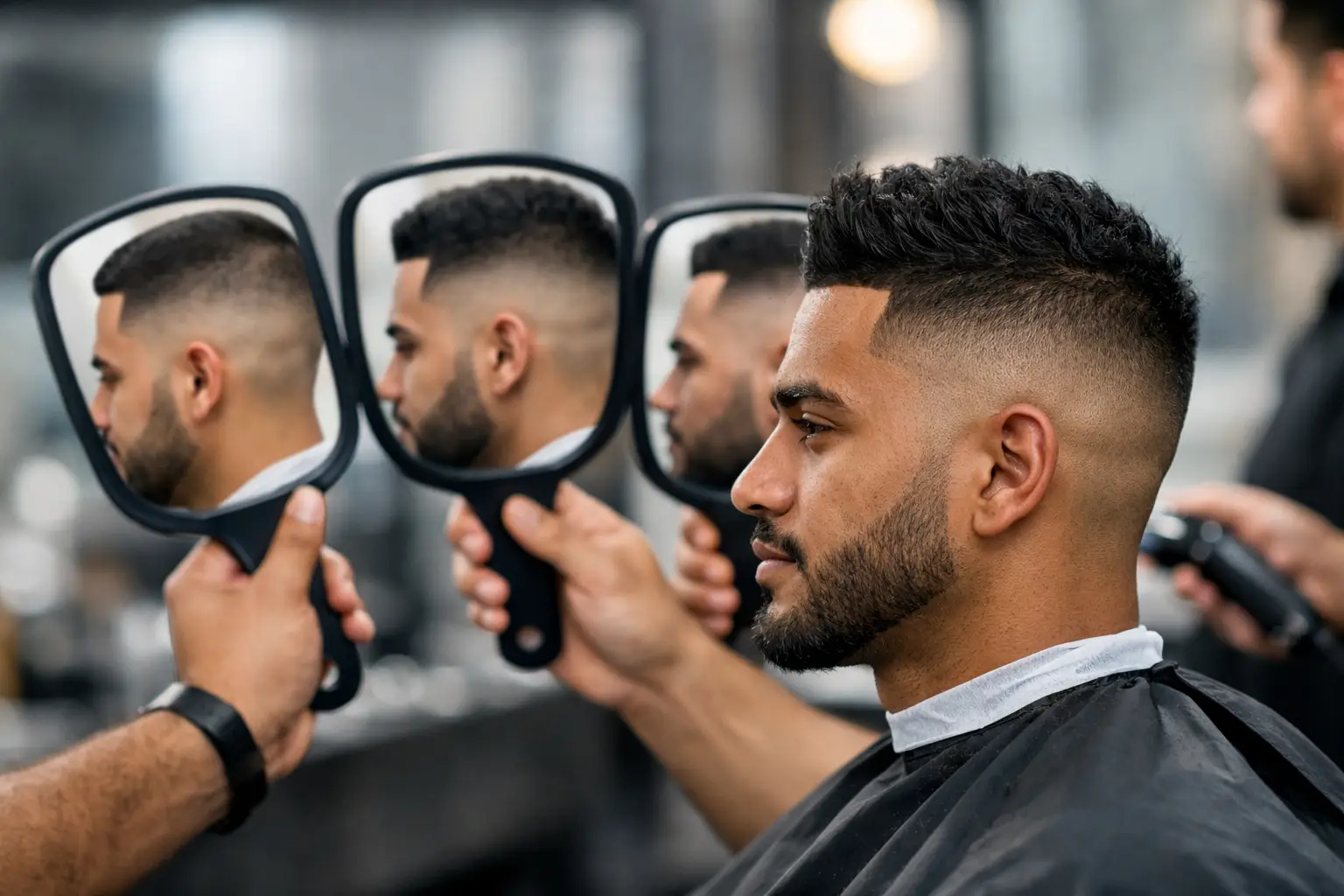
A fade can make your whole haircut look cleaner, sharper, and more intentional - or slightly off if the height, blend, or finish does not match your head shape, hair texture, and daily routine. If you are wondering how to choose a fade style, the answer is not just picking low, mid, or high from a photo. The right fade should work with your features, not fight them.
A lot of men end up with a fade that looks good for two days and awkward by the end of the week. Usually, the problem is not the barbering itself. It is that the style was chosen without thinking through growth pattern, maintenance, work setting, or how dramatic the contrast should be. A strong cut starts with those details.
How to Choose a Fade Style Based on Height
The first decision is where the fade begins. This changes the entire feel of the haircut.
A low fade starts near the ear and neckline. It keeps more weight through the sides, which gives a cleaner look without exposing too much scalp or pushing the cut into a high-contrast finish. For many men, this is the safest and most versatile option. It works especially well in professional settings, on first-time fade clients, and on men who want polish without a loud look.
A mid fade starts higher, usually around the temple area. It gives the haircut more edge and creates a more noticeable transition from short to long. If you want a balanced look that feels modern but not extreme, this is often the sweet spot.
A high fade removes more weight and starts closer to the upper sides of the head. It creates the strongest contrast and puts more focus on the top. High fades can look exceptionally sharp, especially with short textured crops, pompadours, and tighter styling on the sides. The trade-off is maintenance. As it grows out, the shape changes faster.
If you are unsure, ask for a low or mid fade first. It is easier to tighten a fade than to reverse one that sits too high.
Face Shape Matters More Than Most Men Think
One of the best ways to answer how to choose a fade style is to look at proportion. A haircut should help balance the face, not exaggerate what is already there.
If your face is rounder, a mid or high fade can create a leaner, more structured appearance by removing bulk at the sides. Pairing that with some height or texture on top usually helps. If your face is longer or narrower, a very high fade can stretch the look even more. In that case, a low fade often keeps the shape more grounded.
Men with square faces usually have flexibility because the jawline already carries structure. A low, mid, or high fade can all work, depending on the top and hairline. Oval faces also handle most fade types well because the proportions are already balanced.
This is where a good barber earns his keep. Small adjustments in where the blend starts and how much darkness stays in the sides can make a noticeable difference in how your face reads.
Hair Texture Changes the Right Fade
Not every fade behaves the same way on every head of hair.
Straight hair tends to show lines and transitions more clearly, which can make a fade look extra crisp. That can be a benefit, but it also means poor blending stands out fast. Men with straight hair often do well with clean low and mid fades, especially if they want a polished finish.
Thick hair gives a barber more to work with, but it also carries more weight. A fade may need to remove bulk strategically so the shape does not puff out at the sides. If your hair gets dense around the parietal ridge or sticks outward, the fade should be built to control that growth, not just shorten it.
Curly or coiled hair can look outstanding with a fade because the contrast between texture on top and clean tapering on the sides is naturally strong. But the fade height matters. Going too high can make the top feel disconnected if there is not enough length to balance it. In many cases, a low or mid fade keeps the shape stronger.
Coarse hair and uneven growth patterns also call for a more tailored approach. Sometimes the cleanest result comes from leaving a little more darkness in the blend instead of trying to force an ultra-light fade where the hair will not cooperate.
Match the Fade to the Haircut on Top
A fade does not stand alone. It has to support the haircut above it.
If you wear a crop, buzz cut, or Caesar, a mid or high fade usually makes sense because the top is already controlled and compact. If you wear a side part, comb over, or classic business cut, a low fade often looks more natural and refined. For pompadours, slick backs, and styles with volume, the right choice depends on how bold you want the contrast to be.
This is where reference photos can mislead people. A fade that looks right with one haircut may look wrong with another, even if the fade itself is technically well executed. The top, crown, and sides should read as one finished shape.
Think About Maintenance Before You Commit
Every sharp fade has a clock on it.
A high skin fade can look extremely clean right after the cut, but it will usually need more frequent upkeep to stay at its best. If you like to come in every two weeks, that may be the right move. If you prefer more time between cuts, a lower fade or a fade that keeps a little more shadow may wear better.
Skin fades also create the most dramatic grow-out because they move from bare skin to length. That contrast looks excellent when fresh, but it softens quickly. A drop fade, taper fade, or low fade often grows in with less visual disruption.
There is no wrong answer here. It depends on whether you want maximum impact right away or a shape that stays cleaner longer between appointments.
How to Choose a Fade Style for Work and Daily Life
Your haircut should fit your real life, not just the mirror right after the appointment.
If you work in a conservative office or prefer a quieter look, a low fade or taper fade usually gives you the clean edges you want without pulling too much attention. If your style leans more fashion-forward, athletic, or streetwear-driven, a mid or high fade may feel more natural.
The same goes for styling time. Some men want a haircut that still looks sharp with almost no effort in the morning. Others do not mind using product and spending a few minutes shaping the top. Be honest about that. The best fade is one you can actually maintain.
Bring Better Direction to the Chair
Saying "give me a fade" is too broad. If you want consistent results, give your barber a little more to work with.
Instead of only naming a fade height, describe the overall look you want. Do you want more conservative or more aggressive? Do you want the sides dark or tight? Do you want the fade to drop in the back? Are you keeping length at the temples and beard area, or blending everything in tightly?
A good consultation should cover your hair type, head shape, styling habits, and how often you get cut. At a shop built on detail, that conversation is part of the service, not an afterthought.
The Most Common Mistake
The biggest mistake men make when deciding how to choose a fade style is chasing the sharpest version instead of the most suitable one.
A skin fade is not automatically better than a shadow fade. A high fade is not automatically cleaner than a low fade. The best cut is the one that suits your features, grows out well, and still looks right three, seven, and ten days later.
That is usually the difference between a rushed haircut and one that feels finished by hand. Precision matters, but judgment matters too.
If you are trying a new fade, start slightly more conservative than you think you need. You can always go tighter on the next visit once you see how your hair grows, how the shape sits, and how much upkeep you want. The right fade should feel sharp without forcing it.