
How to Keep Beard Symmetrical Between Trims
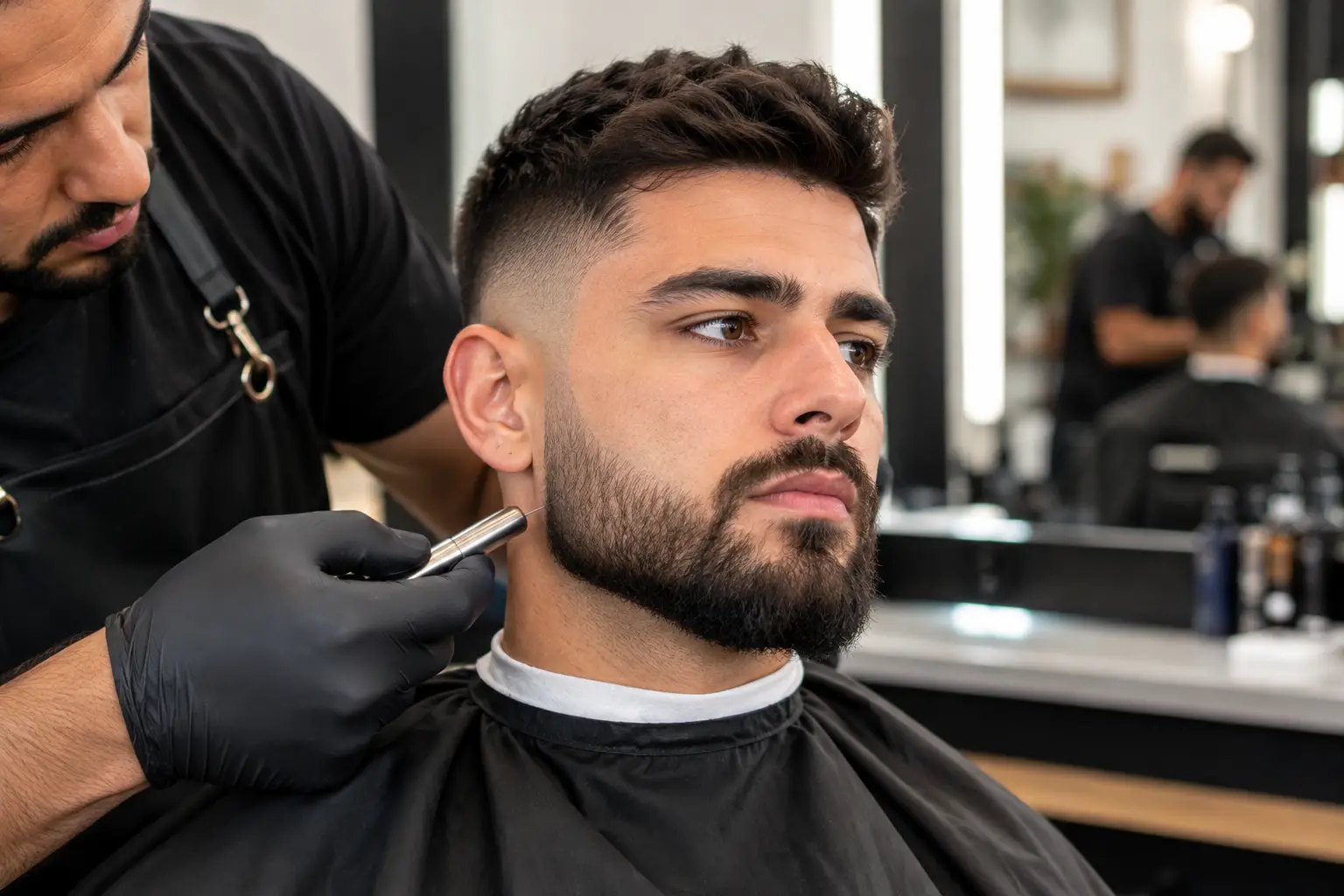
A beard can be full, healthy, and well-shaped yet still look unfinished when one side sits higher, wider, or heavier than the other. Learning how to keep beard symmetrical is less about chasing perfect facial symmetry and more about controlling the lines, length, and visual weight that people actually notice. A steady routine beats an aggressive trim every time.
Start With the Face You Have
No face is perfectly balanced. One jaw may be slightly broader, one cheek may grow denser, and your natural beard growth can point in different directions from side to side. Trying to force identical measurements onto an uneven face often creates the opposite result: a beard that looks over-trimmed or visibly crooked.
The goal is visual symmetry. Your beard should frame the mouth, jaw, and chin in a balanced way when someone looks at you straight on. That means the two sides may not require identical amounts of hair. The stronger-growing side may need a little more reduction; the weaker side may need more length left behind.
Before touching a trimmer, stand upright and look straight ahead. Keep your head level, relax your jaw, and avoid tilting toward the mirror. A tilted head is one of the fastest ways to create an uneven cheek line or neckline. Check your beard in normal bathroom lighting, then step back a few feet. Close-up grooming catches stray hairs, but distance reveals the overall shape.
How to Keep Beard Symmetrical With a Repeatable Routine
Symmetry is maintained in small corrections, not rebuilt from scratch every few weeks. Establish a simple schedule based on your beard length and growth speed. For most men, the cheek line and neckline need attention every three to seven days, while bulk and length can wait one to three weeks.
Always begin with a clean, dry beard. Water temporarily stretches facial hair and can hide its true length. A beard that looks even while damp may spring into an uneven outline once it dries. Comb or brush through it first, moving the hair in its natural direction of growth. This exposes longer hairs and gives you an honest view of the shape.
Work from the center outward. Use your mustache, soul patch, center of the chin, and the midpoint under your nose as reference points. These are fixed landmarks. If you establish the center first, it is easier to make each side match without drifting farther left or right.
For the sideburns, choose a clear stopping point on both sides before trimming either one. Do not finish one side completely and then try to recreate it on the other. Make one light pass on the left, then one matching pass on the right. Continue alternating. This approach keeps a minor correction from turning into a major difference.
The same rule applies to your jawline. Remove a little from one side, compare, then move to the other. Slow, deliberate passes preserve the density that gives a beard its authority.
Build Clean Cheek Lines Without Chasing Perfection
A well-defined cheek line gives the beard structure. It should look intentional, not carved too low or pushed into a sharp, unnatural angle. Your natural growth pattern should lead the decision. Some men suit a higher, fuller cheek line; others look cleaner with a modestly lowered line that removes scattered growth.
To assess the line, look straight ahead first. Then turn your head slightly to each side. If one cheek line is naturally denser or higher, do not automatically cut the higher side down to match every hair. Instead, create two lines that look balanced from the front. A subtle variation can disappear once the beard is brushed and the face is in motion.
Use a detail trimmer or razor for the final edge, but remove only the hair clearly outside the shape. Large corrections are difficult to reverse. If you are unsure whether a hair belongs, leave it for a day. You can always take more off. You cannot restore a missing corner before a meeting, dinner, or photo.
A straight razor provides the sharpest finish, though it demands a steady hand and good skin preparation. If you are not experienced with razor work, keep the maintenance to a guarded trimmer and leave the final line-up to a barber. Precision is not about using the most aggressive tool. It is about using the tool you can control.
Keep the Neckline From Throwing Off the Shape
An uneven neckline can make an otherwise solid beard look unbalanced, particularly when the beard is short. The line should support the jaw, not cut into it. As a practical starting point, place two fingers above your Adam's apple and imagine a gentle curve extending toward the back corners of the jaw. That is usually a more natural guide than shaving directly along the jawbone.
Check the neckline from the front and from both side angles. It should rise evenly toward each ear without one side climbing too high. Men often make this mistake because they can see one side more clearly in the mirror or because they turn their head farther while trimming the opposite side.
Use a handheld mirror for the profile and under-chin area. Do not rely only on your main mirror. What looks balanced from the front can reveal a noticeable mismatch once you turn your head. A few extra seconds checking the outline prevents the kind of correction that requires weeks of regrowth.
Control Length and Density, Not Just the Edges
Sharp lines alone will not create symmetry if one side of the beard is noticeably fuller. Bulk matters. Dense growth near one jaw corner can make that side appear lower and wider even when the edge is technically even.
Attach a guard that is slightly longer than you think you need. Comb the beard down and make light, downward passes over the fuller areas. Avoid pressing the trimmer into the beard. Let the guard glide over the surface, taking off only the hairs that extend beyond the intended shape.
When blending the cheeks into the sideburns, use short strokes and step back often. The goal is a gradual transition, not a hollowed-out patch. For a longer beard, trim the outside silhouette first, then address isolated weight inside the beard with scissors. Scissors offer more control around the chin and lower jaw, where removing too much length can change the entire profile.
If your beard grows unevenly, resist the urge to cut the fuller side dramatically shorter in one session. Reduce it gradually across two or three maintenance trims. The result will look more natural, and you will keep enough density to maintain a strong shape.
Use Better Mirror Checks
Most symmetry mistakes happen because men inspect the beard only from one close angle. Build a better checking sequence into every trim. First, look front-on at eye level. Next, take two steps back and study the overall outline. Then check each side in profile using a second mirror. Finally, look downward slightly to inspect the mustache, chin, and neckline from above.
Photos can help, especially if you struggle to judge your own face in a mirror. Take a straight-on photo in consistent lighting after your normal grooming routine. A picture removes the distortion caused by leaning toward the sink and makes uneven sideburns, cheek lines, and chin length easier to spot.
Do not inspect your beard while constantly changing expressions. A raised eyebrow, clenched jaw, or turned neck can shift the skin and make a clean line look uneven. Keep your face relaxed, and use the same posture every time.
Know When to Stop and Let a Barber Finish It
There is a point where correcting a small difference creates a larger one. If you have made two or three passes and still question the shape, stop. Brush the beard down, leave it alone for a few hours, and check it again in different light. Freshly trimmed hair can sit differently until the skin relaxes and the beard settles.
A professional beard trim is especially useful when you are changing styles, growing out uneven areas, preparing for an event, or trying to balance a beard around a strong jawline or patchy growth. At Omar's Barbershop, hand-finished beard work is approached as a matter of proportion, not just removing hair. The right shape respects your growth pattern while keeping the finished look clean from every angle.
The strongest beards are not trimmed into rigid sameness. They are maintained with enough discipline that the eye sees balance first: clean lines, controlled weight, and a shape that holds up long after you leave the mirror.