
Low Fade Versus Mid Fade: Which Fits You?
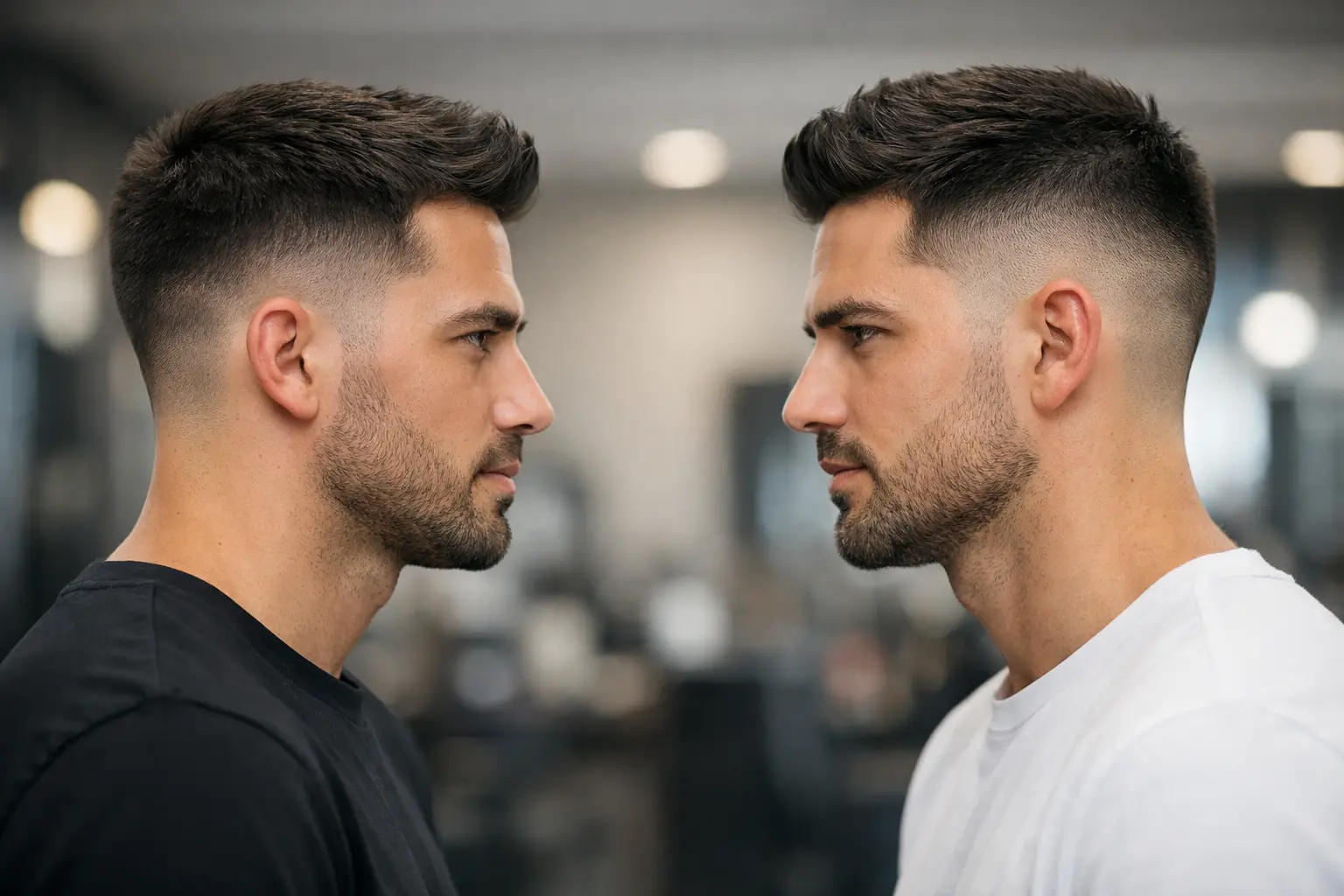
A fade can be technically clean and still feel wrong if it starts at the wrong height. That is the real decision behind low fade versus mid fade. Both can deliver sharp sides, a polished neckline, and a modern finish. The difference is where the blend begins and how that placement changes the shape of your head, face, and haircut.
For a cut that looks intentional from every angle, fade height matters as much as the clipper work itself. A skilled barber does not simply take the sides short. He builds the transition around your growth pattern, hair density, crown, profile, and the way you want the cut to wear between appointments.
Low Fade Versus Mid Fade: The Core Difference
A low fade stays close to the ear and nape. The shortest section begins low on the head, then gradually blends into longer hair above it. There is more visible weight through the upper sides, which creates a conservative, grounded shape. It is clean without looking overly exposed.
A mid fade begins higher, usually around the temple area or the midpoint of the side of the head. It removes more weight from the sides and creates a stronger contrast between the top and the fade. The result is bolder, more structured, and easier to notice from across the room.
Neither is automatically better. The right choice depends on how much definition you want, how much scalp exposure feels comfortable, and how the fade supports the style on top. A low fade can make a textured crop look refined. A mid fade can give that same crop more edge and separation.
What a Low Fade Looks Like
The low fade is a strong choice when you want a clean haircut that does not dominate your overall look. Because the fade sits below the temple, it keeps the natural contour of the head more intact. This makes it especially dependable for professional settings, classic side parts, comb-overs, short pompadours, and longer textured styles.
It also works well for men who prefer some coverage around the sides. If you have a prominent temple recession, scars, uneven head shape, or simply do not like a lot of skin showing, a low fade offers a more forgiving frame. The blend can still be skin-tight at the bottom, but its lower placement keeps the cut balanced.
A low fade is not the same as a timid fade. With precise line work, clean detailing around the ears, and a sharp neckline, it can look just as polished as a higher fade. Its strength is restraint.
What a Mid Fade Looks Like
A mid fade places the contrast closer to eye level. That higher transition pulls attention upward and makes the top of the haircut feel more pronounced. It is a natural fit for quiffs, modern pompadours, faux hawks, curly tops, buzz cuts, and textured styles with a strong silhouette.
For men with thick, dense hair, a mid fade can be especially useful. It removes bulk from the sides so the cut does not puff outward as it grows. The result often feels lighter, sharper, and easier to style in the morning.
The trade-off is exposure. A mid fade reveals more of the sides of the head and can make a haircut feel more dramatic. That is ideal if you want a confident, contemporary finish. If you prefer a softer profile or a more traditional business look, a low fade may serve you better.
How Fade Height Changes Your Face Shape
A fade should support your proportions, not follow a trend blindly. Face shape is only one consideration, but it gives your barber a useful starting point.
Men with rounder faces often like a mid fade because the tighter sides reduce width and encourage the eye to travel upward. Pair it with controlled volume or texture on top, and the haircut can create a longer, more angular appearance. Going too high, however, can make the top look disconnected if the style lacks enough length or density.
For longer or narrower faces, a low fade is often the safer move. It preserves some fullness through the sides, preventing the haircut from appearing too tall or stretched. A low taper into a textured top can bring balance without making the face look longer.
Square and oval faces have the most flexibility. A square face can carry either fade height well, depending on the desired personality of the cut. Low fades complement classic, tailored styles. Mid fades emphasize the jawline and bring a more athletic, modern feel. Oval faces tend to suit both, so hair texture, maintenance habits, and personal style become the deciding factors.
Hairline shape also matters. A mid fade may highlight a receding temple area, while a low fade can leave more structure around it. That does not mean a mid fade is off limits. It means the blend, lineup, and top length need to be adjusted with care instead of copied from a photo.
Match the Fade to the Haircut on Top
The best low fade versus mid fade decision starts with the full haircut, not the sides alone. A fade is the foundation that gives the top style its shape.
A low fade pairs naturally with a side part, slick back, messy fringe, medium-length textured top, and classic scissor work. These styles benefit from the gradual movement between the sides and top. The fade supports the haircut without taking over.
A mid fade is built for stronger separation. It gives a crisp base to curls, a textured crop, a spiky top, a quiff, or a short high-volume style. If you want the top to look fuller and more elevated, the tighter sides of a mid fade often make that easier.
For a buzz cut or very short crop, the decision becomes more visual because there is less length on top to balance the fade. A low fade creates a subtle, military-clean outline. A mid fade turns the same short cut into something more aggressive and fashion-forward. Both look sharp when the blend is smooth and the neckline is finished by hand.
Maintenance: What Changes Between Appointments
Both styles require upkeep if you want the fade to stay crisp. The shorter the blend at the base, the faster it grows out. Most men who prefer a consistently fresh look return every two to three weeks, while a softer grow-out can stretch closer to four weeks.
A low fade generally grows out with less obvious contrast because more weight remains above the ears. It is a practical option for clients who want a clean appearance but cannot always make it in on a strict schedule.
A mid fade tends to show growth sooner, particularly around the temple and upper blend. Its sharper contrast is part of the appeal, but that also means the clean shape fades faster. If your job, social calendar, or personal standards call for a freshly cut appearance every week or two, a mid fade is easy to maintain with regular visits.
At home, keep the top looking deliberate. Use a light matte product for textured styles, a cream or pomade for classic direction, and avoid loading the hair with too much product. A clean fade looks better when the top has movement rather than stiffness.
What to Ask Your Barber
Photos help, but the words you use matter. Tell your barber whether you want the fade to stay below the temple or rise into the middle of the head. Explain how short you want the bottom section, whether you prefer skin, zero, or a shadow fade, and how much scalp exposure you are comfortable with.
Also mention how you wear your hair on normal weekdays. A photo taken under perfect lighting after professional styling may not match your morning routine. If you spend five minutes styling, say so. If you wear a hat often, have thick hair that expands at the sides, or need a polished office look, those details affect the right fade height.
At Omar's Barbershop in Anaheim, the goal is not to force every client into the same trending cut. A proper consultation looks at the whole picture, then delivers the blend, shape, and hand-finished detail that fit you.
Choose the Fade You Will Want to Wear Again
Choose a low fade if you want clean structure with a quieter profile, more coverage through the sides, and an easier grow-out. Choose a mid fade if you want stronger contrast, a lighter feel around the sides, and a bolder frame for the hair on top.
The best cut is the one that still looks right after a workday, a weekend, and a few weeks of growth. Come in with a reference, be clear about your routine, and let precise barbering do the rest.