
Straight Razor Shave Guide for a Cleaner Finish
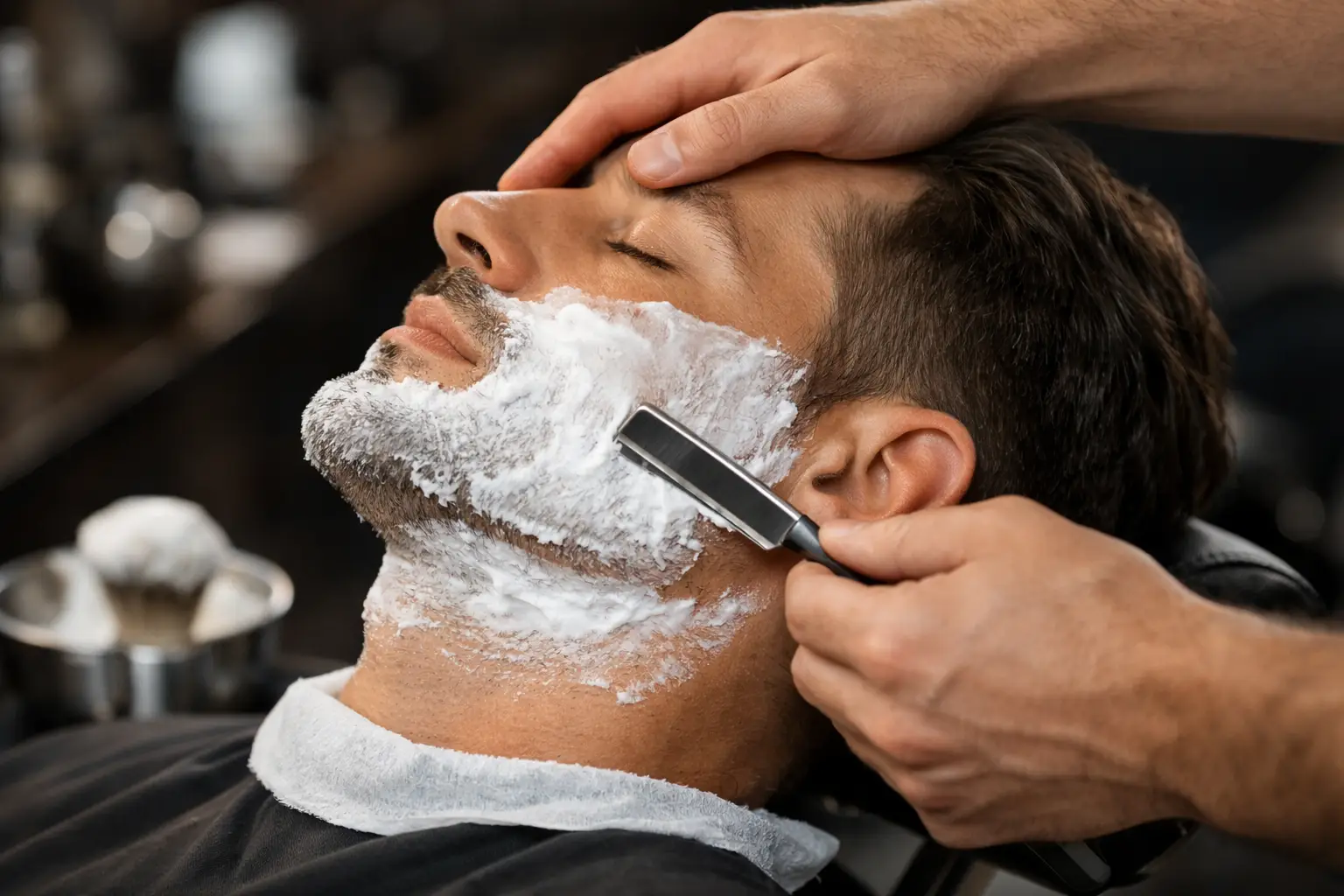
A straight razor shave exposes every shortcut. Rush the prep, and your skin pays for it. Use the wrong angle, and the blade reminds you fast. A proper straight razor shave guide is not really about looking old-school for the sake of it - it is about control, skin respect, and a finish that cartridge razors rarely match.
For men who care about a clean neckline, sharp cheek lines, and a shave that feels deliberate, the straight razor still stands apart. It gives you precision. It also demands discipline. That trade-off is exactly why the results look different when it is done right.
What makes a straight razor shave different
A straight razor does not hide behind safety guards or multiple blades. It puts a single exposed edge directly in your hand, which means every part of the shave becomes more intentional. Pressure matters. Angle matters. Skin tension matters. Even the direction of hair growth matters more than most men realize.
That is also why the shave can feel closer and cleaner. A skilled straight razor pass removes hair with less repeated scraping over the same area. But that only works when the blade is sharp, the prep is thorough, and the hand using it stays controlled. If any one of those is off, the shave goes from refined to rough.
Straight razor shave guide: start with preparation
Most shave problems begin before the blade ever touches the face. Men often blame irritation on the razor, when the real issue is dry skin, rushed prep, or poor lather. Straight razor shaving rewards patience up front.
Begin with warm water and heat. A shower helps, but a hot towel is hard to beat because it softens the beard and relaxes the skin at the same time. Whiskers that feel wiry and stiff before prep should feel noticeably softer after a few minutes of heat. That change matters because softened hair cuts more cleanly and resists the blade less.
Next comes lather. You want coverage that cushions without burying the hair. A good shaving cream or soap should keep the skin slick and the beard hydrated through each pass. Thin foam tends to dry quickly. Thick, pasty lather can clog your view and make detail work harder. The right balance gives glide, visibility, and protection.
If your skin runs sensitive, prep becomes even more important. Men with coarse beard growth, curly facial hair, or a history of razor bumps should not treat straight razor shaving like a speed exercise. More heat, better hydration, and fewer unnecessary passes usually matter more than any product label.
Blade angle, grip, and pressure
This is where most beginners go wrong. They either hold the blade too flat and fail to cut efficiently, or they lift it too high and create scraping instead of shaving. In most cases, a shallow angle works best - usually around 20 to 30 degrees from the skin. You do not need to overthink the number, but you do need to avoid going steep.
The grip should feel secure, not tense. White-knuckle pressure translates directly into rough shaving. A straight razor should move with a light hand. Let the edge do the work. If you find yourself pressing harder to get through growth, the issue is usually poor prep, a dull edge, or a bad angle.
Skin tension is just as important as the blade itself. Use your free hand to keep the skin taut ahead of the razor. Loose skin catches. Tight skin gives the blade a smoother surface and makes a clean pass more likely. This is especially important on the neck, jawline, and around the mouth, where the terrain changes quickly.
Straight razor shave guide: shaving with the grain first
The first pass should almost always go with the grain. That means following the natural direction your hair grows, not the direction you assume it grows. Many men have multiple growth patterns on the neck and jaw, and those patterns are where irritation usually starts.
Use short, controlled strokes. There is no prize for covering half your face in one sweep. Short strokes keep the angle more consistent and make it easier to adjust around curves and tighter areas. Rinse or wipe the blade often so lather and stubble do not interfere with the edge.
After the first pass, re-lather before deciding whether you need more. Some men can stop there and still get a polished result. Others prefer a second pass across the grain for extra closeness. Going directly against the grain can work for some skin types, but it is not automatically better. If your skin is prone to bumps or sensitivity, chasing a glass-smooth finish may cost more than it is worth.
The areas that require the most respect
The cheeks are usually straightforward. Flat surfaces, easier visibility, and more consistent growth make them the most forgiving part of the face. The jawline changes that. It forces you to adjust both angle and skin tension while working over a harder contour.
The neck is where technique gets tested. Hair often grows in several directions there, and the skin can be thin and reactive. Slowing down on the neck is not hesitation - it is good judgment. A cleaner neck shave often comes from reducing passes, keeping the blade shallow, and respecting the grain map instead of fighting it.
The upper lip and chin can also be stubborn because the hair is denser and the shape is tighter. Better prep helps, but so does restraint. If the area is resisting, do not attack it with pressure. Re-lather, reset your angle, and use shorter strokes.
Common mistakes that ruin the finish
The most common mistake is using a dull blade. A straight razor should feel decisive, not tuggy. If it drags, skips, or forces you to compensate with pressure, the edge is not ready. Sharpness is not a luxury with this type of shave. It is the standard.
Another mistake is overshaving the same area. Men often make a decent first pass, then keep touching up small spots until the skin gets raw. Perfection can be expensive when your face is the surface. A clean, even shave with healthy skin looks better than a closer shave followed by redness.
Poor mapping is another issue. Facial hair rarely grows in one neat direction. If you do not know your grain, especially on the neck, even good technique can produce irritation. Take the time to learn your growth pattern once, and every shave after that gets more consistent.
Then there is speed. Straight razor shaving should feel measured. It does not need to be slow for dramatic effect, but it should never feel rushed. Precision and haste do not work well together.
Aftercare matters more than most men think
A good shave is not finished when the last pass is done. Rinse with cool water to remove residue and calm the skin. Then use a clean towel and pat dry. Rubbing your face immediately after a shave can undo some of the care you just took.
After that, apply an aftershave or balm that suits your skin. If you like the crisp feel of a traditional splash, that can work well, but some alcohol-heavy formulas are too aggressive for sensitive skin. A soothing balm may be the better move if your skin tends to react. It depends on your skin type, the closeness of the shave, and how often you shave.
Hydration also matters in the hours after the service. Freshly shaved skin is more exposed. A quality post-shave product helps reduce tightness, supports the skin barrier, and keeps that clean finish looking intentional instead of irritated.
When a professional straight razor shave makes more sense
There is a difference between learning the craft at home and getting a professional result in the chair. If you want the full experience - hot towel prep, detailed cheek and neckline work, and a shave finished by a barber who does this every day - professional service has an obvious advantage.
That is especially true before a wedding, a photo-heavy event, an interview, or any week when you want to look sharp without gambling on your own learning curve. A barber can also shape around a beard, line up the edges cleanly, and adjust technique based on your skin and growth pattern. At a shop like Omar's Barbershop, that kind of detail is the point.
For some men, the best approach is both. Keep your routine tidy at home, then book a professional straight razor shave when you want the cleanest finish and the least margin for error.
A straight razor shave is one of those grooming services that rewards patience, skill, and respect for detail. The blade is simple. The difference is in the hand using it.