
8 Best Hairstyles for Thinning Temples That Look Sharp
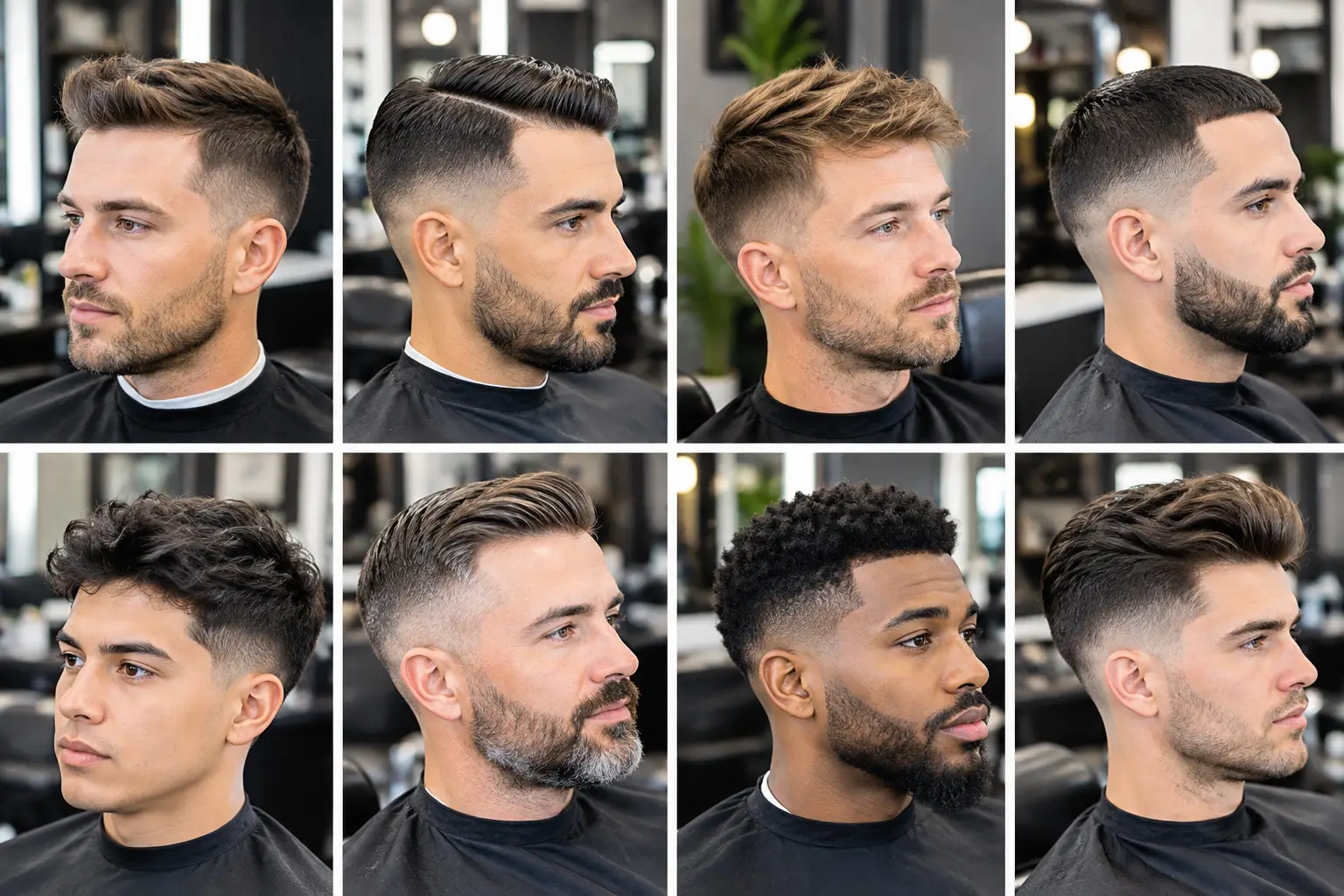
A thinning temple area does not call for a desperate cover-up. It calls for proportion. The best hairstyles for thinning temples keep the eye on the overall shape of the cut: clean sides, controlled texture, and a top length that works with your natural hairline instead of fighting it.
The right cut can make a changing hairline look intentional, sharp, and properly maintained. The wrong one can put every bit of attention on the corners. A skilled barber considers density, growth pattern, face shape, and how much time you actually want to spend styling before recommending a direction.
Why Temple Thinning Changes the Best Cut
Thinning at the temples is often more noticeable when the hair is styled straight back, worn too long at the front, or separated by a hard part. These choices can expose the contrast between fuller areas and the corners of the hairline.
That does not mean every short haircut is the answer. Going too tight on top can make a higher hairline stand out, while keeping too much length can create thin, stringy sections that are difficult to control. The strongest approach is usually a balanced one: enough texture and weight on top to create presence, paired with sides that are clean but not disconnected from the shape of the head.
Your beard can also influence the final result. A well-finished beard or stubble line adds structure through the lower half of the face, which helps a receding temple area feel less like the focal point. It is not about hiding anything. It is about building a deliberate, balanced look.
Best Hairstyles for Thinning Temples
1. Textured French Crop
The textured French crop is one of the most dependable choices for thinning temples. Hair is kept short to medium on top and styled forward with broken, natural texture. The fringe softens the front hairline without looking like it is being forced into place.
Ask for a cropped top with point-cut texture, leaving enough length at the front to move forward naturally. Pair it with a low or mid fade, depending on your head shape and how much contrast you prefer. A matte clay or texture paste provides hold without the shine that can make sparse areas more visible.
2. Short Textured Crop With a Low Taper
For men who want something clean without taking the sides down too aggressively, a short crop with a low taper is a strong option. The taper keeps the neckline, sideburns, and area around the ears crisp, while the sides retain enough weight to support the top.
The top should be worked into small, uneven sections rather than combed flat. That texture creates visual density. This cut is especially effective when temple thinning is mild and you want a professional style that needs minimal effort on weekday mornings.
3. Classic Crew Cut
The crew cut is controlled, masculine, and easy to maintain. It keeps the hair short throughout, but it leaves the top slightly longer than the sides so the cut still has shape. Because there is no long front section trying to cover the temples, the hairline reads as clean and confident.
This style works best when the top is not cut too short. A little extra length through the front and crown gives the barber room to build texture and prevent the cut from looking flat. Use a small amount of lightweight matte product and work it upward and slightly forward with your fingers.
4. Buzz Cut With a Tapered Finish
A buzz cut is direct. It removes the unevenness that can come with longer thinning hair and puts the focus on a sharp overall presentation. The difference between a basic buzz cut and a polished one is the finish: a clean taper at the temples and neckline, balanced guard lengths, and precise edge work where appropriate.
A buzz cut is often best for men with significant thinning or a more advanced recession, but it can work at any stage if it fits your style. Keep in mind that very short hair reveals the shape of the scalp and hairline more clearly. The confidence comes from choosing that clarity on purpose and keeping the cut maintained.
5. Ivy League With Natural Side Movement
The Ivy League offers a more refined option for men who prefer a classic business-ready cut. It has enough length on top to style with a soft side movement, but it should not be built around a sharp, exposed part. Instead, the hair is directed loosely to one side with texture and lift.
This cut depends on density and hair behavior. If the front still has good coverage, it can create a polished profile without overemphasizing the temples. If the corners are noticeably thinner, keep the part soft and avoid high-shine pomade. A natural finish is more forgiving and looks more current.
6. Caesar Cut
The Caesar is a compact, low-maintenance cut with a short fringe pushed forward across the forehead. It is more structured than a textured crop, making it a good choice for men with straight or slightly wavy hair who want a consistent shape every day.
The key is keeping the fringe short and natural. If it is too heavy or cut in a blunt line, it can look dated and draw attention to itself. A modern Caesar has subtle texture, a clean fade or taper, and enough softness at the front to blend with the hairline.
7. Short Quiff With Soft Volume
A short quiff can work well when thinning is concentrated at the temples but the central front section still has density. Unlike a tall, dramatic pompadour, this version uses modest lift and a loose finish. The goal is to add height through the center without pulling the hair tightly back from the corners.
This is a style that needs honest assessment. If the top has become too fine, a quiff may expose more scalp under bright light or fall apart during the day. When the density supports it, though, a short quiff with a low taper creates a sharp, versatile look for work, evenings, and special occasions.
8. Clean Shave or Very Close Crop
For some men, the best answer is to stop negotiating with length altogether. A clean shave or very close crop creates a strong, uncomplicated profile and eliminates the contrast between thick and thin areas. It can be particularly effective when paired with a carefully shaped beard, provided the beard suits your face and grooming routine.
This choice asks for regular upkeep. A close shave looks best when the scalp, neckline, and facial hair are maintained with the same discipline as any detailed haircut. It is less about giving up on a hairstyle and more about committing to a clean standard.
Styling Rules That Keep the Hairline Balanced
Avoid combing thin temple areas straight back with wet-look gel. The shine separates the strands and can make the scalp more visible. Matte products usually create a fuller, more natural result, especially when applied sparingly to dry or nearly dry hair.
Blow-drying can help, but direction matters. Aim the hair forward or diagonally across the front, then use your fingers to break up the finish. Avoid a perfectly uniform shape. Slight irregularity adds texture, and texture is what makes shorter hair appear more substantial.
Be cautious with severe skin fades if your goal is to minimize attention on the temples. A skin fade can look excellent, but the high contrast may make the upper corners of the hairline more pronounced. A low fade, low taper, or blended classic side can offer a more balanced result. It depends on your facial structure, density, and personal style.
What to Tell Your Barber
A good consultation starts with straightforward language. Mention that your temples are thinning and explain whether you want to soften the hairline, simplify your routine, or keep some styling length on top. Bring up how you wear your hair on normal days, not only how you want it to look when freshly cut.
At Omar's Barbershop, a precision cut is built around those details. Your barber can assess how the hair grows at the corners, where the density is strongest, and whether a fade, taper, crop, or shorter finish will give you the cleanest long-term result. The best cut should still look intentional after a week of real life, not only when you leave the chair.
Temple thinning is simply one part of your grooming profile. Choose a style that respects it, keep the proportions clean, and maintain it on schedule. When the haircut fits the hair you have now, confidence does not need to be styled in.