
When Should Toddlers Get Haircuts? A Parent Guide
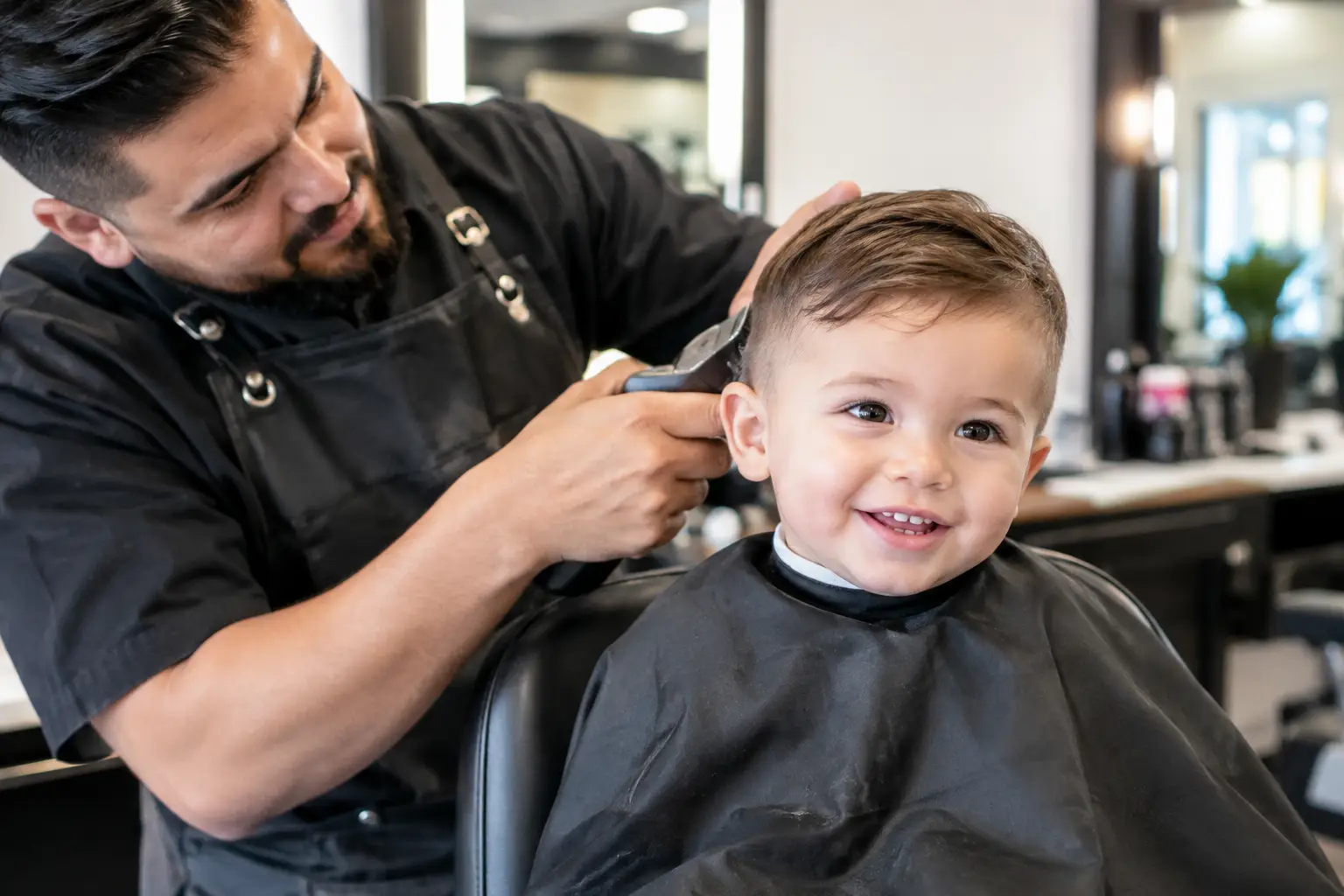
Hair falling into their eyes, curls gathering around the ears, or a cowlick that no longer listens - those are usually the real reasons parents start asking, “when should toddlers get haircuts?” There is no single birthday that makes a child ready. The right time comes down to hair growth, comfort, the look you want to maintain, and whether your toddler can tolerate a short appointment.
A first haircut does not need to be a major production. With good timing, realistic expectations, and a barber who works patiently with kids, it can become a simple part of regular grooming.
When Should Toddlers Get Haircuts?
Many toddlers get their first haircut somewhere between their first and third birthdays, but age is only a guideline. Some children are born with a full head of hair that needs shaping before age one. Others can wait much longer because their hair grows slowly or still sits neatly.
The clearest signal is function. If hair regularly reaches your toddler’s eyes, gets tangled around the neck, traps food, or creates frustration during brushing, a trim is reasonable. Hair that covers the ears or neckline may also start to look uneven as it grows out. A light cleanup can restore a tidy shape without taking away more length than you want.
For parents who want to preserve curls or length, the first visit can be a small maintenance cut rather than a dramatic change. Cleaning up the fringe, around the ears, and the neckline may be all that is needed. A skilled barber can work with the natural growth pattern instead of cutting a toddler’s hair into a style that is difficult to maintain.
Signs It Is Time for a Trim
Look at your child’s hair during normal routines, not just in a perfectly posed photo. If you are brushing it out of their face several times a day, it is likely time. The same goes for hair that tangles after naps, becomes difficult to wash, or looks unbalanced from the front, sides, and back.
A haircut can also make daily routines more comfortable in warm Orange County weather. Longer hair around the ears and neck is not a problem by itself, but some toddlers dislike the feeling of it when they sweat, wear a hat, or sit in a car seat. Comfort matters more than keeping up with a schedule.
For boys with shorter styles, regular maintenance may begin after the first haircut. A clean neckline and shape around the ears can grow out quickly. Families who prefer a neat, polished look often return every four to eight weeks, while longer styles may only need attention every two to three months. Hair texture, growth speed, and the style itself all change that timeline.
Do Not Wait for a Perfect Day
Toddlers are unpredictable. Waiting for a day when your child is completely calm, rested, hungry for nothing, and excited about a haircut can mean waiting indefinitely. Instead, choose a time when they are usually at their best - often after a snack and before they are overtired.
Avoid booking around nap time, after a packed day, or when your child is sick. A haircut asks a toddler to sit still, hear unfamiliar clipper sounds, and tolerate hair on their face and neck. Even a cooperative child can find that uncomfortable when tired or overstimulated.
How to Prepare for a Toddler’s First Haircut
Preparation should be simple and matter-of-fact. Talk about the appointment positively, but do not build it up as a huge event. Explain that they will sit in a chair while a barber trims their hair, then they will be all done. Young children respond better to clear, short descriptions than long reassurance speeches.
It helps to let your toddler watch a parent or older sibling get a haircut first. Seeing someone they trust sit calmly in the chair takes away some of the mystery. At home, you can also play pretend barber with a comb, a soft brush, or an unplugged toy clipper so they become familiar with the motions.
Bring one small comfort item, such as a favorite toy or a quiet video. The goal is not to distract your child from every moment. It is to give them something familiar to focus on while the barber works. Snacks can help before the appointment, but avoid messy treats in the chair.
Most importantly, set a realistic goal. A first haircut does not need to be flawless or elaborate. If your toddler sits long enough for a clean, balanced trim, that is a win. Trying to force a detailed style through tears and constant movement can make the next visit harder for everyone.
Choosing the Right First Cut
A toddler’s first cut should suit the child’s hair, not a photo trend. Fine hair often benefits from a simple, softly shaped trim that keeps weight in the right places. Thick hair may need light removal around the sides and neckline to stay comfortable and manageable. Curly hair needs particular care because each curl can spring up once it dries.
Tell the barber what you want to keep as clearly as what you want removed. If you love your child’s curls, say so. If their bangs are constantly in their eyes, point that out. Mention whether you normally style their hair, how they react to brushing, and whether you prefer a low-maintenance look between visits.
For a first appointment, conservative is usually smart. You can always take more length off, but you cannot put it back. A clean-up that leaves room for adjustment gives you time to see how the haircut settles over the next few days.
Clippers or Scissors?
Neither method is automatically better. Clippers are efficient for short sides, neckline cleanups, and certain classic boys’ cuts, but the sound and vibration can bother some toddlers. Scissors can feel less intimidating, though they may require more time and stillness.
A patient barber can adjust based on the child in the chair. Some toddlers are fascinated by clippers; others do better with scissors around the face and ears. The priority is safe, controlled work that respects your child’s comfort while still delivering a tidy result.
What Parents Can Do During the Appointment
Your energy sets the tone. Sit nearby, stay calm, and use simple encouragement. Too much negotiating, apologizing, or repeated questioning can make a toddler more aware that there is something to fear. Let the barber guide the process while you offer a familiar, steady presence.
If your child starts to resist, a short break can help. Sometimes a haircut happens in stages: a little trimming, a moment to reset, then a few more minutes. That is normal. The best barbers understand that working with children requires patience, quick hands, and a willingness to adapt.
Avoid holding a struggling toddler tightly unless safety requires it. If a child is extremely upset, it may be better to finish the essentials and try again another day rather than turn the experience into a battle. A positive association is worth more than a perfectly sharp finish on the first visit.
How Often Should Toddlers Get Haircuts After the First One?
There is no fixed rule. Short cuts with a defined shape generally look best with maintenance every month or two. Medium and longer hair can often go eight to twelve weeks, especially when the goal is simply to keep it out of the eyes and remove rough ends.
Watch the shape rather than the calendar. When the fringe falls forward, the ears disappear, the neckline gets fuzzy, or styling takes more effort than it used to, it is probably time to come back. Regular trims can also make future appointments easier because your toddler becomes familiar with the chair, cape, sounds, and routine.
At Omar’s Barbershop, a child’s appointment is treated with the same care as any precision cut: patient service, close attention, and a finish that looks intentional. Start small, keep the experience calm, and let each visit build confidence for the next one.