
Consistent Haircut Results From Your Barber
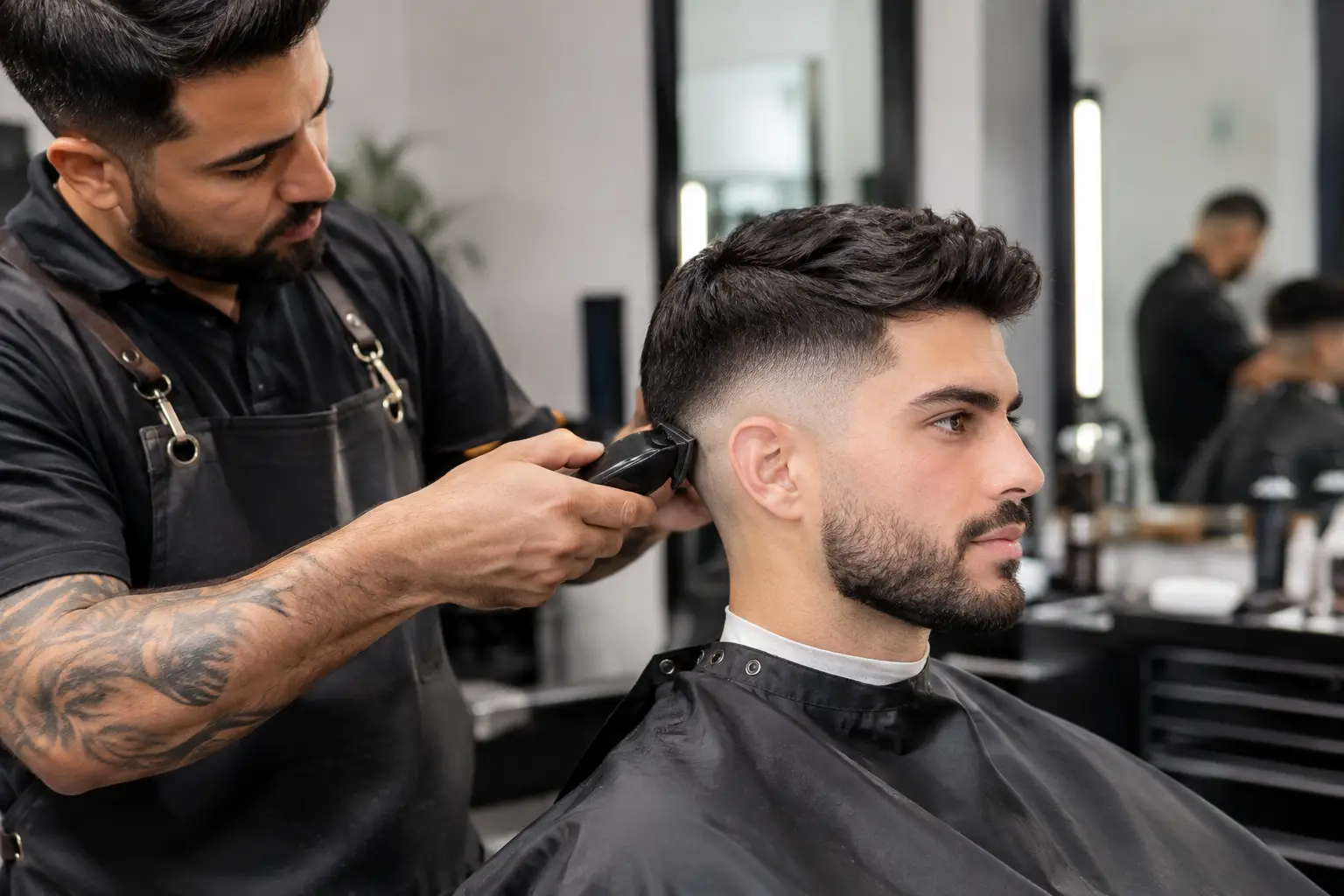
A fade can look sharp when you leave the chair and still feel wrong a week later if the shape, weight, or neckline was not built around you. Consistent haircut results from a barber are not about repeating the same guard number. They come from a disciplined process that respects your head shape, hair growth, lifestyle, and the details that make a cut look right long after the appointment ends.
For the man who keeps a regular grooming schedule, consistency is confidence. You should be able to sit down knowing your barber understands the standard: how tight the sides should be, where the blend should sit, how your beard connects to the cut, and how clean you want the finish. That level of reliability is earned through attention, not speed.
What Consistent Haircut Results Really Mean
A consistent cut should feel familiar without becoming automatic. Your haircut needs to keep its core shape from visit to visit, but it may need small adjustments based on growth, season, work demands, or the way you are styling it at home. The goal is not to copy a previous appointment blindly. The goal is to recreate the look you trust while improving what needs improvement.
For a skin fade, consistency may mean the transition begins at the same height, the top retains the right amount of weight, and the blend stays clean around the temples and crown. For a classic taper, it may mean preserving a natural silhouette while keeping the sideburns, neckline, and beard lines controlled. With longer textured styles, the standard is often movement and balance rather than a sharply defined outline.
A good barber sees these distinctions. He does not treat every head of hair as a standard template.
The Consultation Sets the Standard
The chair is where the haircut happens, but the consultation is where the result is decided. A quick conversation before the cape goes on can prevent the most common source of disappointment: two people using the same words to describe different cuts.
The details worth repeating
When you return for a regular service, tell your barber what worked and what did not after the last visit. Maybe the fade was perfect but the top felt too heavy after ten days. Maybe the beard line was clean, but you wanted a more natural neckline. That feedback is useful because it comes from real wear, not just the mirror immediately after a cut.
It also helps to identify what should stay fixed. You may always prefer a low fade, a square neckline, a soft taper at the sideburns, or enough length on top to style with product. These are your anchors. Once they are clear, your barber can make precise adjustments without changing the character of your look.
Photos can help, especially if you are trying a new direction, but they should start a conversation rather than end one. Hair density, curl pattern, cowlicks, and head shape affect what will translate well. The best result is not an exact copy of someone else. It is a version that works on you.
Precision Is a System, Not a Shortcut
Reliable barbering is built in stages. The first stage creates the foundation: sectioning the hair correctly, establishing the initial length, and deciding where the taper or fade will sit. The second stage builds the transition between lengths. The final stage is where a good cut becomes a finished cut - detail work, symmetry checks, texture refinement, and cleanup.
The order matters. If a barber rushes into detailing before the structure is balanced, he can make a line look clean while leaving the overall shape uneven. A hand-finished haircut takes patience because every adjustment affects the next one.
Clipper work requires control, but it is not only about the clipper. Shears remove bulk and create shape where a clipper cannot. Blending tools soften visible weight lines. A straight razor can sharpen the perimeter when a crisp finish suits the style. Each tool has a purpose, and using the right one at the right moment is part of delivering the same standard every time.
The crown deserves special attention. Growth patterns there can push hair outward, split it in different directions, or make one side appear heavier than the other. A barber who checks the crown before and after cutting can keep the top balanced instead of simply cutting both sides to match a measurement.
The Finish Reveals the Difference
Many cuts look acceptable before the final inspection. The difference appears when the barber steps back, changes angles, brushes the hair into its natural position, and looks for anything that interrupts the silhouette.
This is where hand-finished detail matters. The temples should sit evenly. The fade should transition without dark patches or hollow spots. The neckline should suit the natural growth pattern rather than being forced into an overly high line that looks awkward as it grows out. If you wear a beard, the haircut and beard work should look intentional together, not like two separate services.
Finishing product is also more than a last touch. Applied correctly, it shows how the cut performs under normal styling. A matte product may reveal texture and separation. A lighter cream may show whether a longer style falls naturally. The product should support the haircut, not hide uneven work beneath shine or stiffness.
Timing Plays a Major Role in Consistency
Even the best haircut changes as it grows. Returning at the right interval makes a significant difference because your barber is working with a recognizable shape instead of rebuilding it from scratch.
A tight skin fade often looks its cleanest with more frequent maintenance, while a longer scissor cut can usually go longer between visits. Beard growth, workplace standards, and personal preference all affect the right schedule. There is no single interval that fits every man.
What matters is being realistic about the look you want to maintain. If you prefer crisp edges and a close fade, waiting until the outline has fully grown out means the next appointment may require more reshaping. If you like a softer, lived-in style, extra growth can be part of the look. Consistency is not always about keeping hair short. It is about maintaining the shape that suits you.
Your Part in Better Barber Results
A skilled barber carries the technical responsibility, but clear communication makes every appointment stronger. Come in with clean, dry hair when possible, especially if you use heavy products. Explain how you actually wear your hair on workdays, weekends, and when you do not have time to style it.
Be direct about changes. If you are growing the top out, say so before the first pass with the clippers. If you want a lower fade than usual, point out where you want the transition to begin. If a prior cut grew out better on one side than the other, mention it. These are not minor details. They guide the technical choices behind the cut.
It helps to stay consistent with one barber when you find a professional whose work fits your standards. Over time, that barber learns the texture of your hair, the way your beard grows, your preferred finish, and the small adjustments that make the service feel personal. That familiarity is valuable, but it should always be supported by a fresh consultation, not assumed.
A Standard Built Visit by Visit
At Omar's Barbershop, precision is not reserved for special occasions. A weekday cleanup, a fresh fade before a meeting, a beard trim, or a traditional straight razor shave deserves the same deliberate attention. The standard is simple: take the time to build the cut correctly, inspect the details, and send every client out looking composed.
The right barber relationship should make grooming easier. When your cut has a dependable shape, your morning routine is faster, your beard looks more intentional, and you spend less time wondering whether the next appointment will match the last. Keep the conversation honest, maintain a schedule that fits your style, and let disciplined craftsmanship do the rest.