
How to Care for a Beard for a Sharper Daily Look
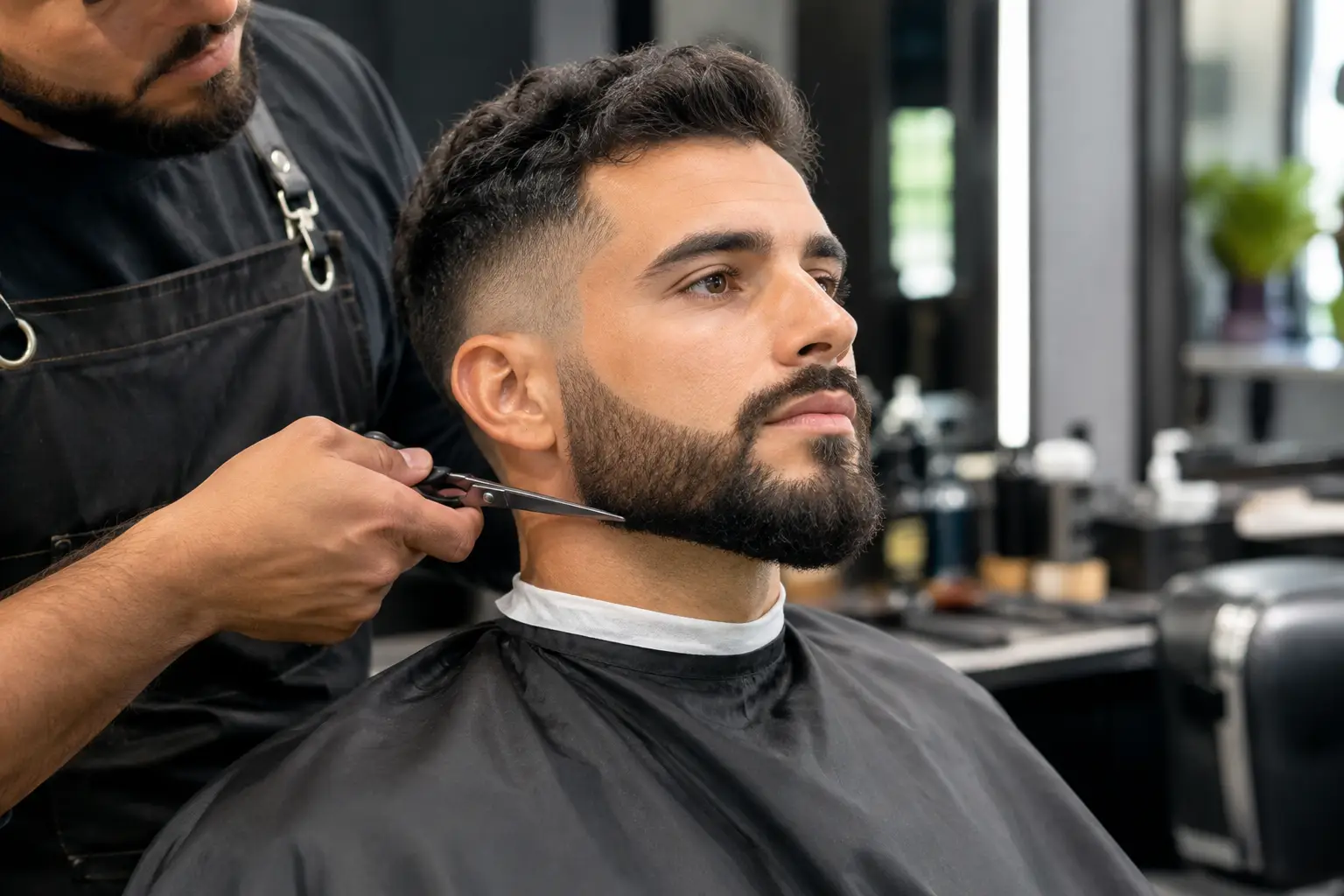
A beard does not look sharp because it is long, thick, or naturally even. It looks sharp because it is maintained with intention. Learning how to care for a beard means treating the skin beneath it, the hair itself, and the lines around it as three separate details that need regular attention.
The goal is not to spend half an hour in front of the mirror. It is to build a simple routine that keeps your beard clean, soft, balanced, and deliberately shaped between professional trims. A few disciplined minutes each day will do more for your appearance than letting growth take over and trying to fix it all at once.
Start With the Skin Under Your Beard
Beard care starts below the surface. Dry, irritated skin can cause flaking, itchiness, and uneven-looking growth, even when the beard hair is healthy. If your beard feels rough or looks dull, the issue may be the skin underneath rather than the beard itself.
Wash your face daily with a gentle cleanser, especially after workouts, long workdays, or time outdoors. When washing the beard, work your fingertips down to the skin instead of only rubbing the outer layer of hair. This clears away sweat, excess oil, food residue, and product buildup without turning the beard into a dry, brittle mess.
Beard wash should not replace every face wash, and daily shampooing is not always the answer. Thick, coarse hair and dry skin usually benefit from washing the beard two or three times per week with a beard-specific cleanser. Men with oilier skin, shorter beards, or physically demanding jobs may need it more often. Pay attention to how your skin responds. Tightness and flakes are signs that you may be washing too aggressively.
After washing, pat the beard dry with a clean towel. Do not scrub it hard. Wet beard hair is more vulnerable to breakage, and rough towel drying can leave it looking frizzy before you have even started styling.
How to Care for a Beard With Oil and Balm
Beard oil and beard balm do different jobs. Choosing between them depends on your beard length, hair texture, skin condition, and the amount of control you want.
Beard oil is best for conditioning the skin and softening the hair. It is especially useful during early growth, when itching is common, and for short to medium beards that need moisture without a heavy finish. Start with a few drops after a shower, when the beard is clean and slightly damp. Rub the oil between your palms, then massage it into the skin before running the rest through the beard.
Beard balm offers more hold. It is a better choice for medium to longer beards, wiry hair, or beards that tend to expand at the cheeks and chin by midday. Warm a small amount between your fingers, work it through the beard, then brush or comb it into place. Use enough to control the hair, not so much that it looks greasy or feels coated.
More product does not produce a better beard. A beard that appears glossy from across the room usually has too much sitting on the surface. The right amount leaves the hair softer, calmer, and natural to the touch.
Comb, Brush, and Train the Direction of Growth
A beard grows in several directions, particularly along the jawline and under the chin. If you never guide it, it can look uneven even when the actual length is consistent. Combing and brushing train the hair to lie where it belongs while distributing oil or balm more evenly.
For a short beard, a quality comb is usually enough. It separates the hair, exposes areas that need trimming, and helps you check whether your mustache is drifting over the lip. For a fuller beard, a brush can add control and lift while helping the beard sit closer to the face.
Brush downward along the cheeks and jaw, then shape the chin area toward its natural direction of growth. Do not aggressively pull at knots. Start at the ends, work gently upward, and only comb from the roots after the tangles are out. Pulling through a dry, tangled beard is an easy way to create breakage and unnecessary irritation.
This is also the point where you should look at symmetry. One side does not need to be identical to the other, because faces are not perfectly symmetrical. But the overall silhouette should feel balanced. If one cheek is noticeably fuller or one side extends farther down the neck, address it before it becomes the new normal.
Keep the Neckline Clean, Not Too High
The neckline is one of the most important details in beard grooming. A clean neckline gives the jaw definition. A neckline shaved too high makes the beard look undersized and can leave the face looking disconnected from the neck.
As a general guide, find the point about one to two finger widths above your Adam's apple. From there, create a soft curve toward the back of each jaw. The exact line depends on your beard density, neck shape, and desired style, so avoid treating a single rule as universal.
Keep the line natural rather than carving a harsh, overly round shape. Use a trimmer for bulk removal, then a razor or detail tool for a crisp finish if you are comfortable doing so. Shave with care, particularly if your skin is prone to irritation. A warm shower or warm towel before shaving can help soften the hair and make the process cleaner.
If you are unsure where the neckline should sit, leave more length rather than taking too much away. A skilled barber can establish the right framework, and maintaining an existing line is much easier than rebuilding one that has been pushed too high.
Trim for Shape, Not Just Length
The mistake many men make is trimming only when the beard becomes inconvenient. By then, stray hairs, uneven weight, and an overgrown mustache have already changed the shape. Small, deliberate maintenance trims keep the beard looking intentional.
Check the mustache weekly. Hair crossing the upper lip can make a well-kept beard look neglected in seconds. Trim conservatively along the lip line, leaving enough fullness to suit your face while keeping the mouth clear.
For the rest of the beard, trim only when it is dry and styled as you normally wear it. Wet hair hangs longer and can lead to cutting off more than intended. Use scissors for isolated hairs and a guarded trimmer for controlled length reduction. Work slowly, remove less than you think you need, and reassess from arm's length rather than with your face inches from the mirror.
Be especially careful around the cheeks. Strong cheek lines can look sharp, but taking them down too far may make a full beard look patchy. Follow your natural density. Clean up obvious strays, then let the beard's natural growth pattern do some of the work.
Build a Routine You Will Actually Keep
Consistency beats a crowded bathroom counter. For most men, a practical routine looks like this: cleanse your face daily, wash the beard as needed, apply oil or balm after showering, comb it into place, and check the mustache and neckline once or twice a week.
A fuller beard may need daily brushing and more frequent conditioning. A close-cropped beard may need greater focus on skin care and line maintenance. Climate matters too. Anaheim's dry, sunny stretches can leave both skin and facial hair feeling depleted, while humid days may call for lighter product and less balm.
Professional shaping still has a place in a solid home routine. Your barber can set clean cheek lines, establish a neckline that fits your face, remove bulk without sacrificing density, and refine the transition between your beard and haircut. At Omar's Barbershop, that hand-finished detail is what turns basic maintenance into a polished look.
A well-cared-for beard should never feel like a costume or a chore. Keep the skin healthy, use product with restraint, protect the shape, and make small corrections before they become major cleanup. The result is straightforward: a beard that looks as disciplined as the man wearing it.