
What Is a Line Up Haircut? Clean Edges, Explained
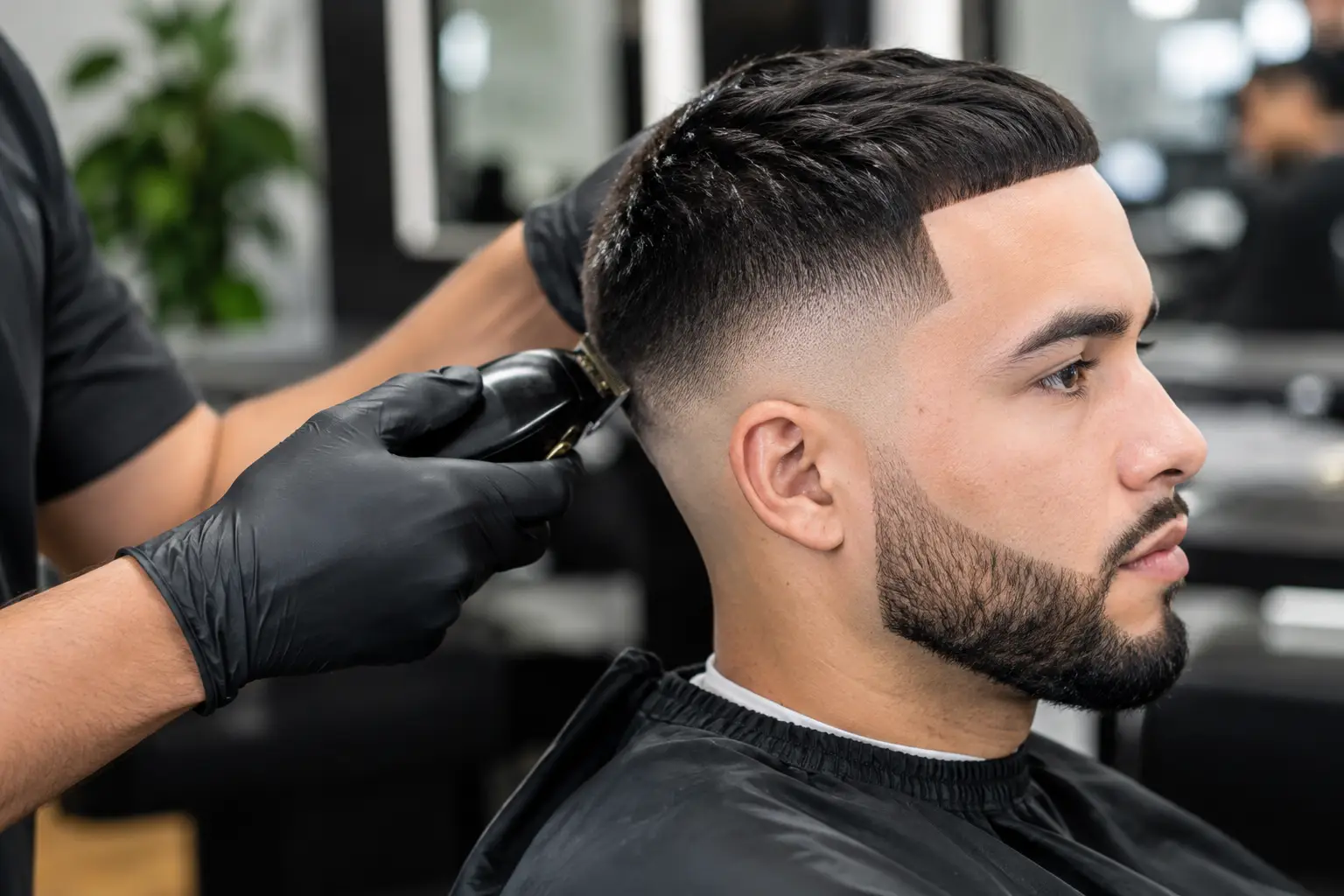
A sharp haircut can lose its impact the moment the hairline looks uneven. So, what is a line up haircut? It is the precise shaping of the hairline, temples, sideburns, and often the beard to create clean, intentional edges. It is one of the details that separates a basic cut from a hand-finished barbershop look.
A line up does not have to be loud or overly squared off. Done properly, it works with your natural growth pattern and face shape, giving your cut a cleaner frame without making it look forced. Whether you wear a low fade, textured crop, curls, waves, or a classic short back and sides, a well-executed line up brings discipline to the entire style.
What Is a Line Up Haircut, Exactly?
A line up haircut, also called a shape-up or edge-up, is a barbering technique rather than one single haircut style. Your barber uses clippers and detail trimmers to define the perimeter of the haircut. The focus is usually the forehead, corners of the hairline, temples, around the ears, sideburns, and neckline.
For clients with facial hair, the line up can extend into the beard. Clean cheek lines, a balanced mustache, and a defined neckline create a more complete finish. The goal is not simply to remove stray hairs. It is to establish symmetry, sharpen the outline, and make the haircut look deliberate from every angle.
The result can be subtle or bold. A natural line up follows the existing hairline with light refinement. A sharper line up creates more obvious corners and a straighter front edge. The right choice depends on your hair density, growth pattern, personal style, and how often you are willing to maintain it.
Why the Hairline Changes the Whole Cut
The hairline is the first detail most people notice when they look at you face-to-face. A precise front edge makes a fade appear cleaner, makes curls look more controlled, and gives a short haircut structure. It can also bring balance to a beard by connecting the haircut and facial hair into one polished grooming standard.
This is why the line up is often the final detail of an appointment. The fade may create the blend, and the scissors may establish shape and movement, but the edge work gives the cut its finish. It takes a steady hand, a trained eye, and patience. Rushing the corners or trying to create perfect symmetry where the natural hairline does not support it can leave a client with an unnatural result.
A skilled barber knows when to sharpen the line and when to leave it alone. That judgment matters as much as the trimmer itself.
The Difference Between a Natural and Sharp Line Up
A natural line up keeps the original outline of the hairline intact. Your barber removes fine growth around the edge and lightly cleans the corners, so the result looks neat without appearing heavily carved. This is often the best approach for men with a mature, uneven, or slightly receding hairline.
A sharp line up has a more defined front edge and stronger temple corners. It works especially well with dense hair, curls, waves, short crops, and closely faded sides. The look is crisp and confident, but it requires more frequent upkeep because new growth becomes visible quickly.
Neither approach is automatically better. The right line up should suit your hair, not fight it.
Which Haircuts Work Best With a Line Up?
A line up can improve almost any men's cut, but it is especially effective when the haircut already has a clear silhouette. Fades, tapers, buzz cuts, crew cuts, textured crops, and curly styles all benefit from detailed edge work. The cleaner the contrast between the top, sides, and beard, the more the line up stands out.
For a skin fade or bald fade, a crisp lineup keeps the front and temples as clean as the sides. With a taper, the effect is more understated but still polished. A longer style may need a softer approach so the hairline does not look disconnected from the rest of the cut.
Men with waves often prefer a strong front line because it frames the pattern and keeps the style looking fresh. Clients with curls may choose a more natural edge to preserve fullness and avoid taking the corners too far back. For short hair, even a small amount of uneven growth can show quickly, making regular edge maintenance worthwhile.
Can a Line Up Help a Receding Hairline?
It can improve the appearance of a receding hairline, but it needs to be handled conservatively. A barber can clean the natural border, balance the temples, and remove scattered hairs that make the line look uneven. What should not happen is pushing the hairline backward just to make it look straighter for the day.
Taking too much from the corners can create a temporarily sharp line, but it may leave less hair to work with at the next appointment. The better approach is honest shaping. A well-defined natural hairline looks stronger than an overly aggressive line that does not match your growth.
If you are unsure, ask for a natural cleanup first. You can always go sharper later, but hairline work should be intentional.
How Long Does a Line Up Last?
Most line ups look their sharpest for about one week. Depending on how quickly your hair and beard grow, the edges may remain clean for up to two weeks before they begin to soften. Men who prefer a highly defined hairline, bald fade, or sculpted beard often schedule a cleanup between full haircuts.
Your routine matters, too. Sweat, hats, shaving habits, and facial-hair growth can affect how quickly the outline loses definition. A beard line may need attention sooner than the haircut itself, especially around the cheeks and neck.
Trying to maintain the front edge at home can be tempting, but the corners are easy to overcut. One small mistake can change the shape of the hairline and require time to grow back. At home, keep the area clean and use a brush or comb to train the hair into place. Leave major reshaping to your barber.
What to Ask for at the Barbershop
You do not need technical barber language to get a clean result. Be clear about how sharp you want the finish. You might ask for a natural hairline cleanup, a sharp front line with squared corners, or a line up that blends into your beard.
It also helps to mention your maintenance preference. If you come in regularly for cleanups, a more defined edge may suit you. If you want the cut to grow out naturally over several weeks, a softer line is usually the smarter choice. A good barber will also assess your hairline in person and recommend an approach that respects its natural shape.
At Omar's Barbershop, this kind of detail is never treated as an afterthought. The finish is shaped by hand, checked from each angle, and tailored to the way your hair actually grows.
A Clean Edge Is About Control
A line up haircut is not about drawing the hardest possible line across your forehead. It is about control, balance, and a finish that holds up when you leave the chair. The best one looks like it belongs to you.
If your current cut feels close but never quite complete, pay attention to the edges at your next appointment. A precise line up may be the detail that turns a good haircut into the one you feel confident wearing all week.