
Skin Fades: The Details That Keep Them Sharp
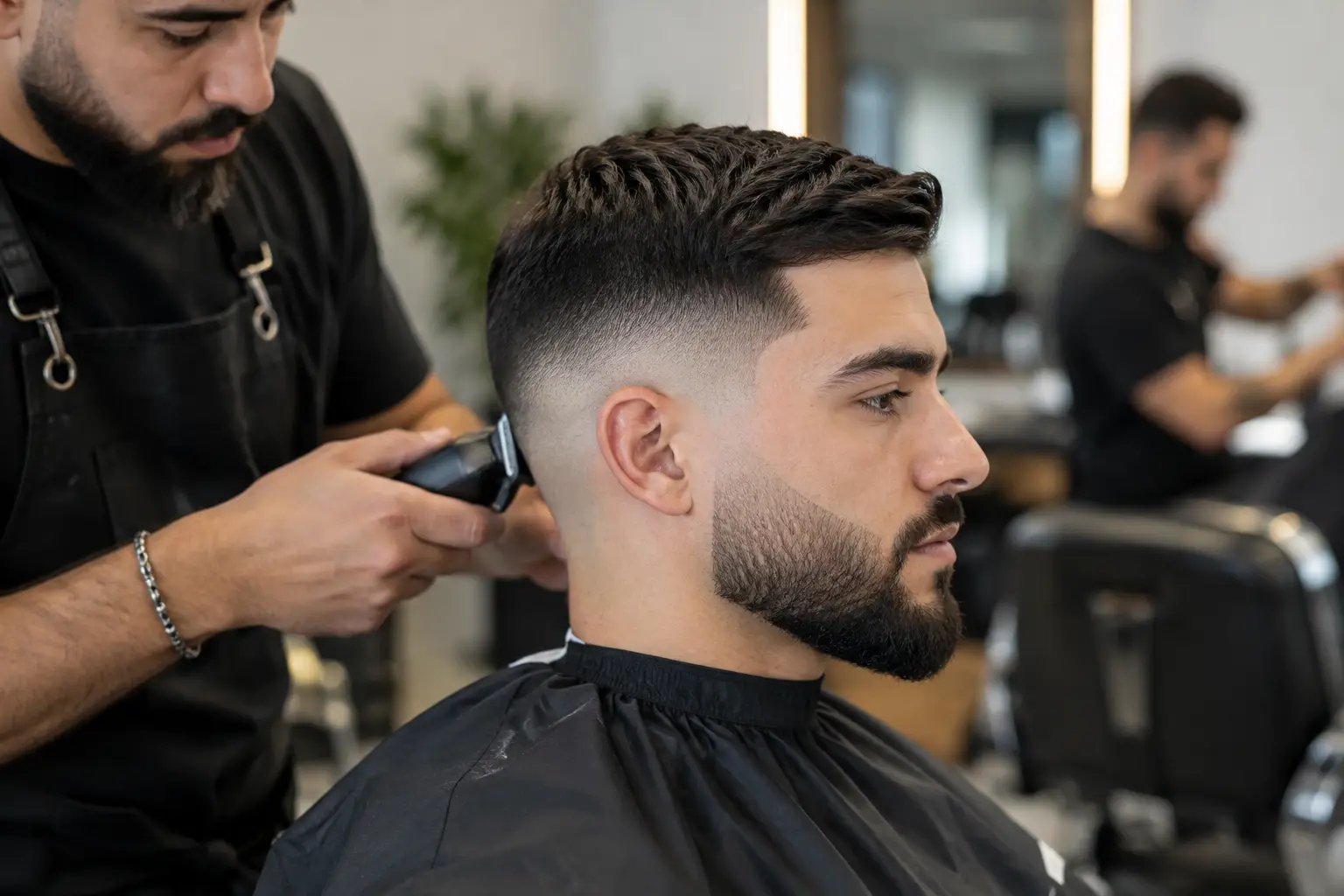
A skin fade is not just a short haircut. It is a controlled transition from bare skin to length, built section by section until the blend looks clean from every angle. When it is done with discipline, a skin fade sharpens your profile, frames the beard, and gives even a simple style a more intentional finish.
The difference is in the details most people only notice when they are missing: a smooth graduation at the temple, no dark weight sitting above the fade, a neckline that stays natural, and a finish that still looks balanced after a few days of growth. This is precision work, not a quick pass with clippers.
What Makes Skin Fades Different
A skin fade takes the hair down to the skin around the lower portion of the head, then gradually blends into longer hair above. The effect can be subtle or dramatic depending on how high the fade rises and how much length is left on top.
The goal is not simply to remove hair. It is to create a clean progression with no visible lines. A skilled barber works through several clipper lengths, then refines the blend with detail tools and close inspection. That hand-finished process matters because head shape, hair density, growth patterns, and natural hair color all affect how a fade reads in the mirror.
On darker or denser hair, even a faint line can stand out. On fine or lighter hair, the blend may need a softer approach to avoid exposing too much scalp too quickly. The right fade is always personal. It should work with your features, your hair, and the way you actually wear your style between appointments.
Choose the Right Skin Fade Height
The same skin fade can look completely different based on placement. Fade height is not a minor preference. It changes the silhouette of the entire cut.
Low Skin Fade
A low skin fade stays close to the ears and neckline, keeping more weight around the sides. It is a strong choice for men who want a clean, professional appearance without taking the fade too far up the head. It also pairs well with textured crops, side parts, pompadours, and longer styles on top.
Because the transition begins lower, this option can feel more conservative while still looking precise. It is often a practical choice for clients who want a polished cut that moves easily from work to the weekend.
Mid Skin Fade
A mid skin fade sits around the middle of the head and creates a more noticeable contrast. It offers a balanced profile: clean enough to feel modern, but not so high that it removes all the side weight.
For many men, this is the most versatile placement. It works with short textured tops, curls, combovers, and structured styles. If you are unsure where to start, a mid fade gives your barber room to build a sharp shape without committing to the boldest version of the cut.
High Skin Fade
A high skin fade rises above the temples and creates the strongest contrast between the sides and the top. It puts more attention on the hair above the fade, making it a natural fit for short crops, defined texture, and styles with a strong forward shape.
This cut can look exceptionally clean, but it requires the right proportions. If the fade is taken too high for your head shape or top length, the result can feel disconnected. A barber should assess the full cut before deciding where the transition belongs.
The Top Style Still Does the Heavy Lifting
A skin fade is the foundation, not the entire haircut. What happens on top determines whether the finished style feels sharp, relaxed, classic, or aggressive.
Short textured hair creates a direct, athletic look and keeps daily styling simple. A longer top gives you more options, whether you prefer a natural sweep, loose texture, or a more structured finish. Curls can work especially well with a skin fade because the clean sides make the natural texture stand out without adding bulk.
Bring a reference if you have one, but do not expect every photo to translate exactly. Hair type matters. A style shown on straight, dense hair may need a different approach on wavy, curly, or thinning hair. The better conversation is about what you like in the photo: the height of the fade, the amount of contrast, the shape of the fringe, or the level of styling required. That gives your barber the information needed to tailor the cut to you.
Why Detail Work Matters at the Edges
The blend gets the attention, but the lineup is what makes a fade look finished. The temple area, forehead, sideburns, and neckline need to be clean without being pushed too far back.
A natural hairline should be respected. Cutting too deeply into the corners may look extra sharp for a day, but it can leave the line looking uneven as it grows in. Controlled edge work gives you a crisp result while preserving the shape you need for the next cut.
The same principle applies to the neckline. Some clients prefer a squared finish, while others benefit from a softer, more natural taper. Neither is automatically better. It depends on your neck shape, your growth pattern, and how quickly you want the cut to show its age.
If you wear a beard, the fade should connect with it deliberately. A tight temple blend can create a clean transition into a short beard, while a little more weight may suit a fuller beard and a broader facial structure. The goal is balance, not maximum sharpness at every point.
How Often Should You Maintain a Skin Fade?
Skin fades look their crispest in the first several days. Because the cut begins at skin level, new growth becomes visible sooner than it would with a longer taper. Most clients who want that freshly detailed appearance schedule maintenance every two to three weeks.
A weekly cleanup can make sense if your lineups grow quickly or your role puts you in front of clients every day. On the other hand, a longer top style may allow you to stretch appointments closer to three or four weeks, especially if you are comfortable with a slightly softer fade.
There is a trade-off. Waiting longer means more time between visits, but the barber has more regrowth to reset and may need to rebuild the blend rather than simply refine it. Consistent appointments make it easier to maintain the exact shape, top length, and fade placement that work best for you.
Keeping the Fade Looking Clean Between Cuts
You do not need a complicated routine. Clean hair, a light styling product that suits your texture, and regular washing are enough for most men. Heavy products can sit in the hair and make a fresh blend appear dull, especially when the top is short.
Use a small amount of product and apply it with purpose. Matte clay or paste can add texture and control without a shiny finish. A lighter cream may work better for longer, natural styles. If your scalp gets dry after a close skin fade, use a simple moisturizer designed for the scalp and avoid scratching or over-washing the area.
At home, resist the urge to reshape your own hairline or chase the fade with clippers. A small correction can quickly turn into an uneven edge or a patchy blend. Let the cut grow naturally, then have it refreshed by a barber who can see the entire shape.
A Better Conversation in the Chair
The clearest request is usually more useful than a complicated haircut name. Tell your barber whether you want the fade low, mid, or high; how tight you want it at the skin; how much length you want left on top; and how often you are willing to style it.
Also mention what has not worked before. If fades have felt too high, if your crown sticks up, if your beard needs to connect cleanly, or if you need a style that looks professional with little morning effort, those details guide the result. At Omar's Barbershop, that consultation is part of the craft, not an afterthought.
A skin fade should look sharp when you leave the chair, but it should also make sense for the next few weeks of your life. Choose the version that fits your routine, maintain it before the shape disappears, and let the details do the talking.