
Uneven Beard Correction for a Sharper Profile
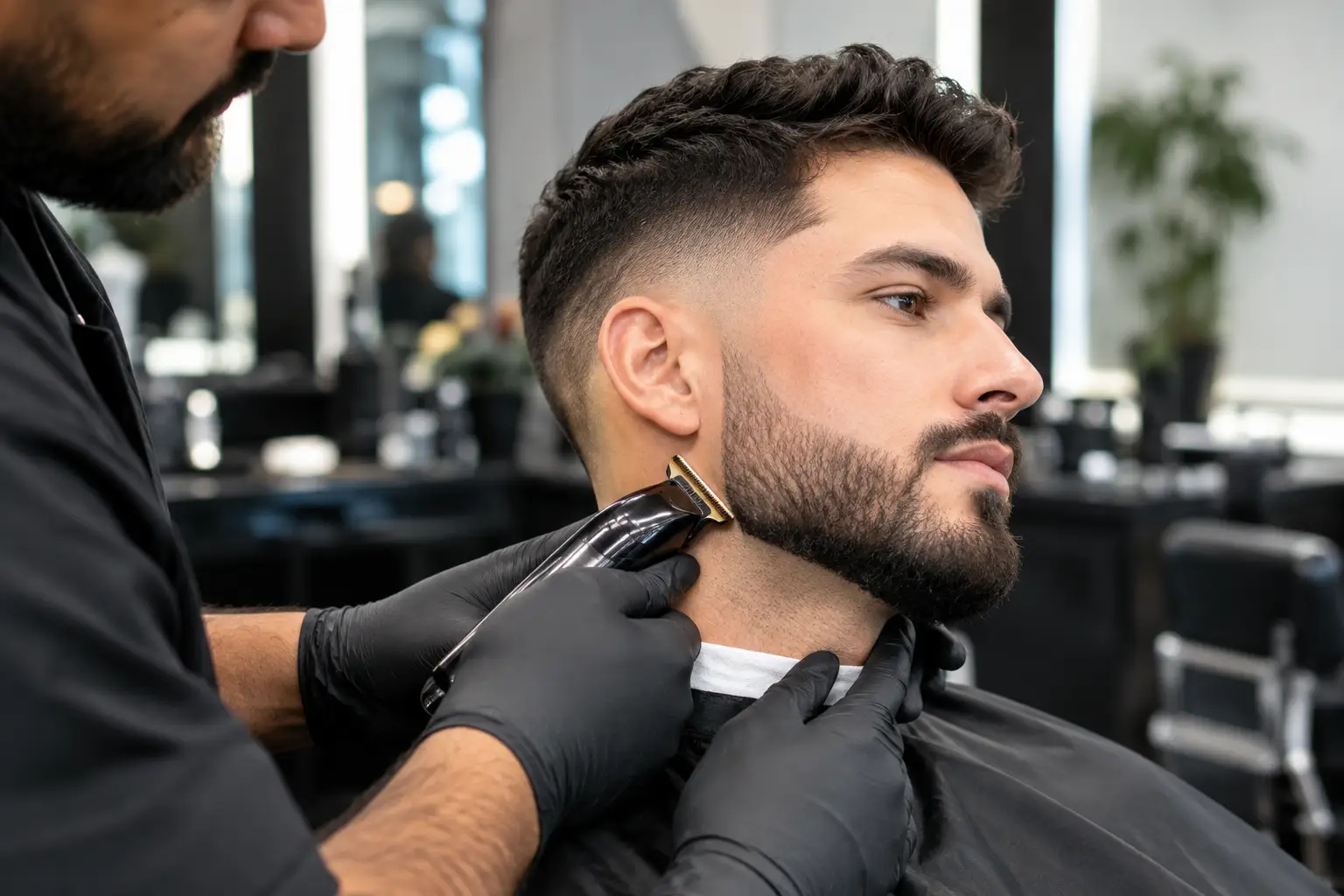
A beard can be full, healthy, and well cared for yet still look off-balance. One cheek may grow higher, one sideburn may carry more weight, or the chin may pull the entire shape to one side. Uneven beard correction is not about forcing every hair into perfect symmetry. It is about building a deliberate shape that looks clean from the front, the side, and across the table in a business meeting.
The mistake is trying to fix an uneven beard with one aggressive trim at home. A few rushed passes can turn a minor imbalance into thin patches, a crooked neckline, or a beard that no longer fits the haircut above it. The better approach starts with assessment, restraint, and a clear plan for where the beard should carry its weight.
Why Beards Grow Unevenly
Natural asymmetry is normal. Facial structure is not identical from left to right, and beard density rarely grows in matching patterns. One side may grow faster, another may have a lighter cheek, and the mustache can develop differently on each side of the center line. Hair direction matters too. A section that grows outward can look bulkier than an equally dense section that lies flat.
Your haircut can make those differences more visible. A tight fade with a sharp temple area draws attention to the beard transition, while a longer hairstyle can make a narrow jawline appear even less balanced. Weight changes, scars, cowlicks, and the way you sleep may also affect how facial hair sits from day to day.
This is why correction should be based on appearance, not just on matching hair length. Two sides can measure the same and still look uneven. A skilled barber reads density, growth pattern, jaw shape, and profile before taking length away.
Start With the Right Beard Shape
The strongest correction usually comes from choosing a shape that works with the beard you have. Trying to create a wide, high cheek line on a beard with sparse upper growth often makes the weak area more obvious. In that case, a slightly lower natural line can look denser and more intentional.
For a beard that is heavier on one side, the answer is not always to cut the fuller side down to match immediately. Sometimes the lighter side needs time to grow while the fuller side is lightly controlled. This keeps the beard from becoming unnecessarily short. Patience is part of the work, especially if your goal is a fuller, more masculine profile.
A strong shape generally relies on three areas working together: the cheek line, the neckline, and the connection from sideburn to jaw. If those boundaries are clean, small differences in density become far less noticeable. If they are uneven or too harsh, every inconsistency stands out.
The Cheek Line
The cheek line should follow your natural growth while giving the face structure. It does not need to sit high to look sharp. A clean, believable line usually looks better than an overly sculpted curve that requires constant correction.
When one cheek grows higher than the other, the safer choice is often to bring the higher side down slightly rather than pushing the lower side upward. This creates balance without chasing hair that is not there. The line should also support the mustache and sideburn, so the beard reads as one finished frame instead of separate sections.
The Neckline
A neckline that sits too high can make the beard look small and disconnected from the jaw. One that sits too low can lose definition and make a full beard look unfinished. The right position follows the individual client, but it should create a clean underside that strengthens the chin and jaw.
Uneven growth under the jaw is common. Rather than cutting a flat horizontal line, the barber can remove bulk strategically, maintain enough length through the center, and blend the sides into the neckline. The result is a more balanced profile without the boxed-in look of a rushed trim.
Correcting Uneven Length Without Going Too Short
Length correction is where discipline matters most. If one side is longer, it may need only a careful surface trim, not a full reduction. A barber can use comb work, controlled clipper-over-comb technique, and hand-finished scissor detail to remove the hairs creating visual bulk while protecting the overall shape.
The chin is especially important. It is the visual anchor of most beard styles, and uneven chin length can make the entire face look tilted. Depending on your face shape, a barber may leave a little more length at the center to strengthen the profile, then blend each side toward the jaw. For a rounder face, this can add definition. For a longer face, too much chin length may exaggerate the vertical shape, so balance takes a different direction.
Do not judge the beard only while looking straight into the mirror. Turn your head, check the profile, and look at the transition into the haircut. A beard can look even head-on but carry a noticeable shelf or hollow spot from the side. The cleanest work holds up from every angle.
What to Avoid Between Appointments
Home maintenance has its place, but it should protect the professional shape rather than reinvent it. Keep the beard clean, brush or comb it in its natural direction, and use a small amount of beard oil or balm if dryness makes the hair expand or curl unevenly. Product can help the beard sit better, but it cannot correct a poor line.
Avoid trimming after a hot shower when the beard is wet and stretched. Once dry, facial hair often springs back shorter, which is how a small cleanup becomes an accidental reset. Also resist the urge to keep raising the cheek line or neckline every time a few hairs return. That cycle gradually shrinks the beard and makes natural asymmetry harder to manage.
If you use a guard at home, do not assume the same number will produce the same result everywhere. Dense areas cut differently than lighter areas, and different growth directions change how much hair the clipper takes off. For minor upkeep, remove only obvious stray hairs outside the established lines. Leave structural changes for your barber.
When a Professional Correction Makes Sense
A professional beard trim is worth it when you have grown out uneven areas, changed your haircut, or feel that your beard looks different every week despite regular care. It is also the right move before a wedding, interview, professional photo, or any event where a clean profile matters.
Bring a straightforward goal to the chair. You might want a fuller jaw, softer cheek lines, a cleaner connection to a fade, or a beard that looks more even without losing length. Good communication gives the barber direction, but it also leaves room for professional judgment based on what your beard can realistically do.
At Omar's Barbershop, a proper beard service is built around that judgment. The work should not feel rushed or generic. It should account for the way your beard grows, the way your hair is cut, and the level of maintenance you are willing to keep up with.
A Better Standard for Beard Balance
Perfect mirror-image symmetry is rarely the goal. A beard is successful when it looks intentional, sits clean against the face, and supports your strongest features. Some men need a sharper jaw. Others need controlled bulk through the chin or a lower cheek line that makes patchier growth look denser. The right answer depends on the face in the mirror, not a template.
Give a correction time to settle. Facial hair grows in stages, and a precise trim can reveal areas that need another week or two of growth before the final shape is established. Keep the lines clean, avoid overcorrecting at home, and let each appointment refine the foundation. That is how an uneven beard becomes a beard that looks deliberately built.